21 Lush Living Room Plant Ideas You Need Now!
Ready to transform your living room into a lush, green paradise? You’ve come to the right place! Finding the perfect living room plants ideas can feel overwhelming, but it’s all about matching the right plant with the right space and your personal style. We’re about to dive into a world of vibrant leaves, stunning textures, and air-purifying power that will make your living room the most inviting space in your home.
The Science-Backed Bliss of Indoor Plants
Before we jump into the specific ideas, let’s talk about why bringing plants indoors is one of the best things you can do for your space and your well-being. It’s not just about aesthetics; it’s backed by science.
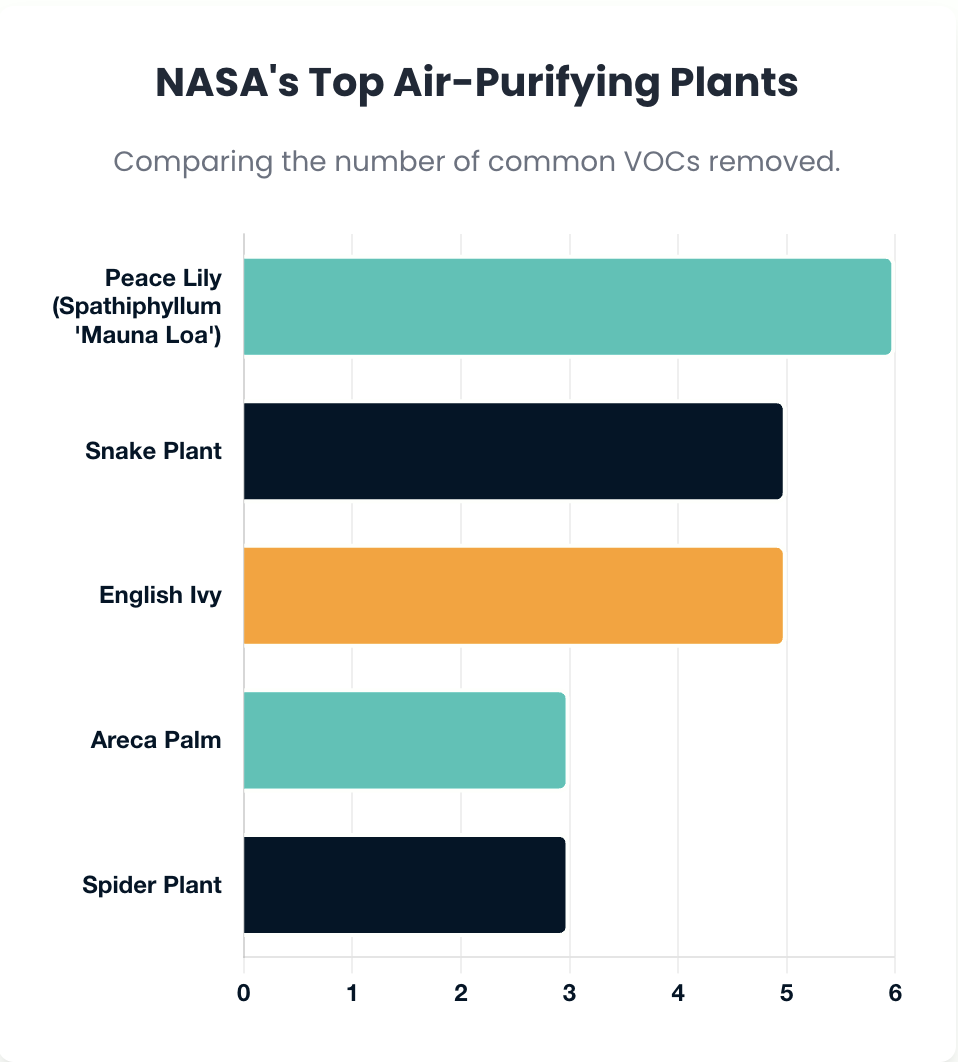
A famous 1989 NASA study explored how houseplants can act as natural air purifiers. They found that many common indoor plants are incredibly effective at removing nasty volatile organic compounds (VOCs) like benzene, formaldehyde, and trichloroethylene from the air. These are chemicals that off-gas from everyday items like furniture, paint, and cleaning supplies.
“If man is to move into closed environments, on Earth or in space, he must take along nature’s life support system.” – NASA Clean Air Study
Here’s a quick look at some of the top-performing plants from that study:
| Plant Name | Toxins Removed |
|---|---|
| Peace Lily (Spathiphyllum ‘Mauna Loa’) | Benzene, Formaldehyde, Trichloroethylene, Xylene, Toluene, Ammonia |
| Snake Plant (Sansevieria trifasciata) | Benzene, Formaldehyde, Trichloroethylene, Xylene, Toluene |
| Spider Plant (Chlorophytum comosum) | Formaldehyde, Xylene, Toluene |
| English Ivy (Hedera helix) | Benzene, Formaldehyde, Trichloroethylene, Xylene, Toluene |
| Areca Palm (Dypsis lutescens) | Formaldehyde, Xylene, Toluene |
Beyond cleaning the air, studies have consistently shown that the presence of indoor plants can reduce stress, boost mood, and even increase productivity. A 2015 study published in the Journal of Physiological Anthropology found that interacting with indoor plants can reduce physiological and psychological stress. So, that feeling of calm you get when you’re surrounded by greenery? It’s real!
Now, let’s get those gorgeous plants into your living room.
1. The Statement-Making Fiddle Leaf Fig
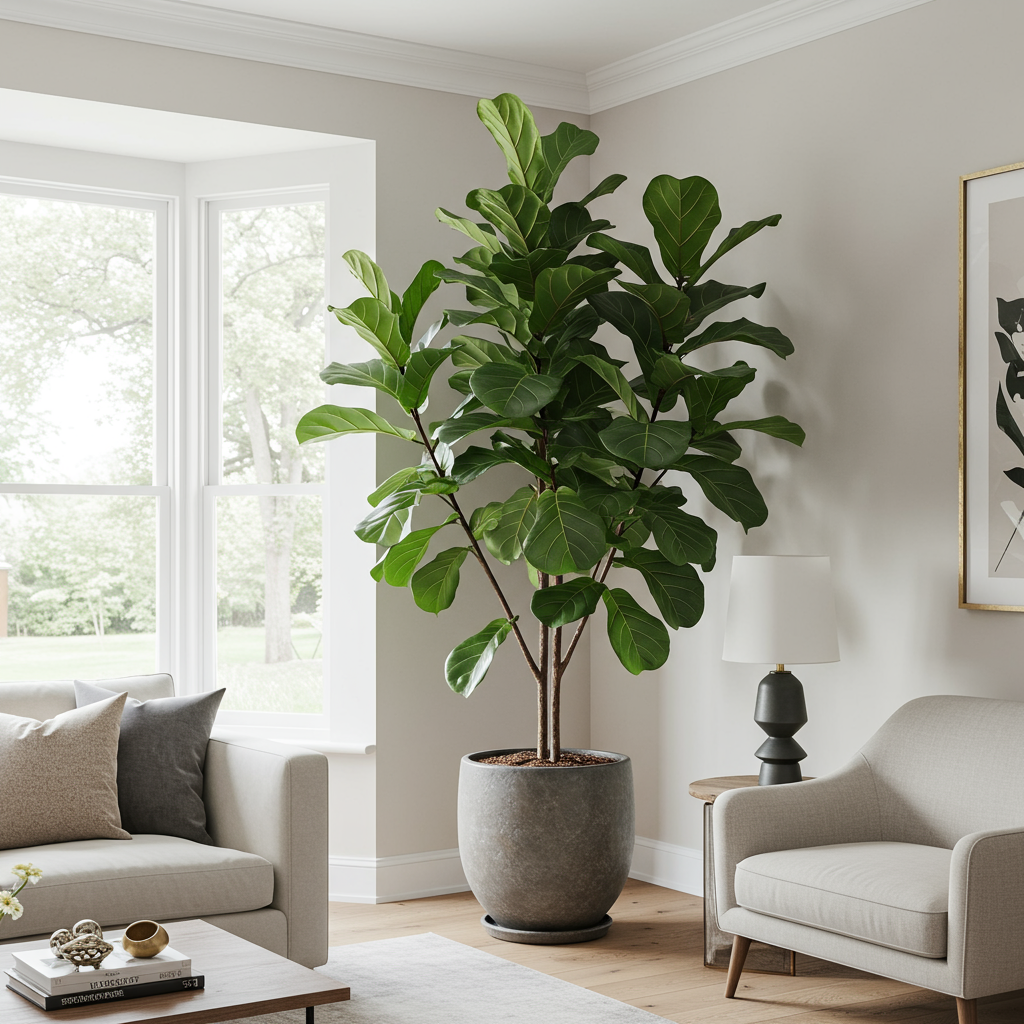
You’ve seen it all over social media for a reason. The Fiddle Leaf Fig (Ficus lyrata) is the ultimate “it” plant, with its huge, violin-shaped leaves and tree-like presence. It’s perfect for filling an empty corner and adding a touch of high-end design.
This plant isn’t for the faint of heart, though. It can be a bit of a diva, demanding just the right amount of bright, indirect light and consistent watering. But get it right, and you’ll be rewarded with a stunning focal point.
Pro Tip: Place your Fiddle Leaf Fig in an east-facing window where it can soak up the gentle morning sun. Avoid moving it around; they love consistency!
2. The Unkillable Snake Plant
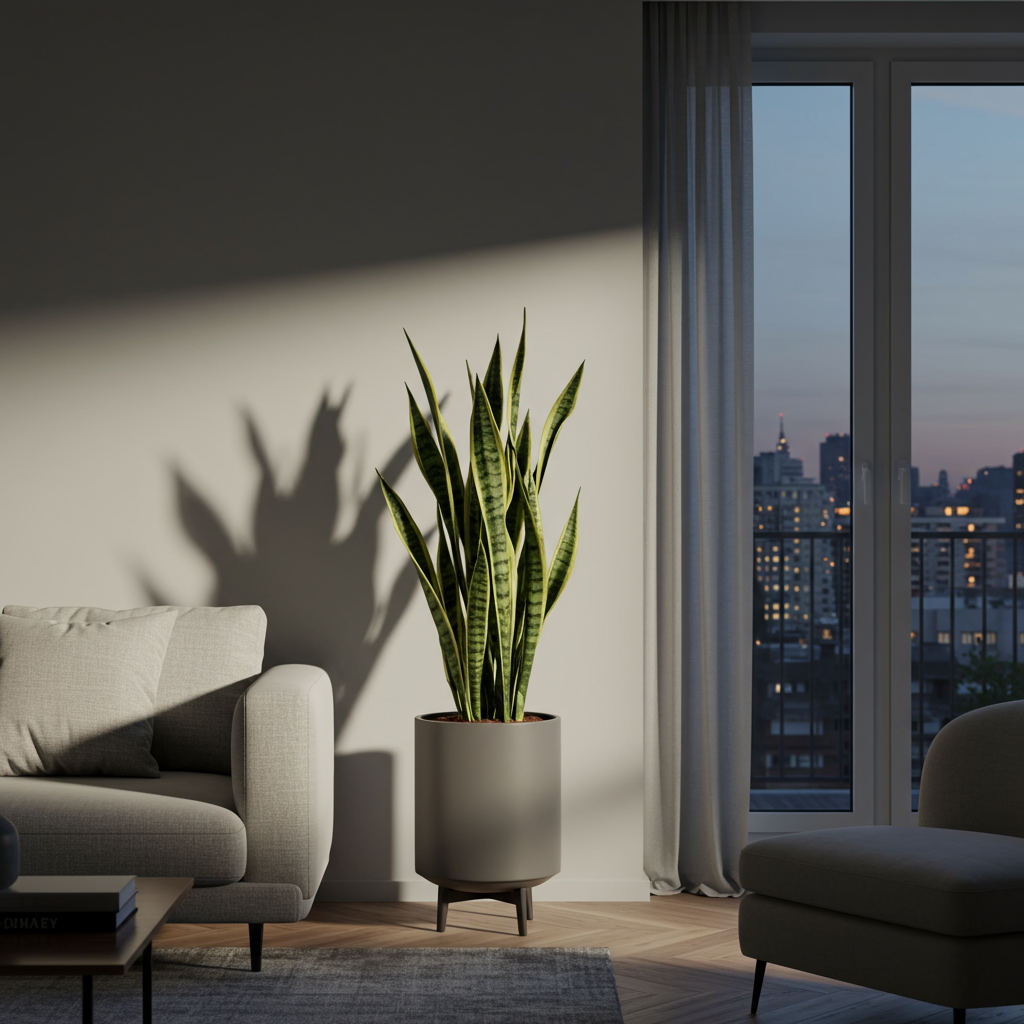
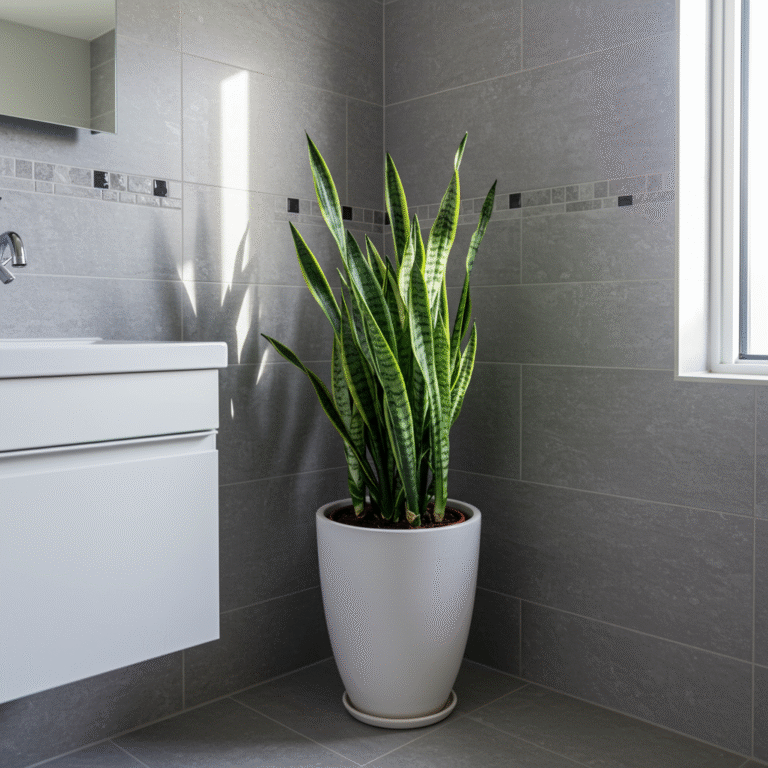
If you’re a self-proclaimed “plant killer,” meet your match. The Snake Plant (Sansevieria trifasciata), also hilariously known as Mother-in-Law’s Tongue, is tough as nails. It thrives on neglect and can survive in low light and with infrequent watering.
Beyond its hardiness, the Snake Plant is an architectural marvel. Its stiff, upright leaves with striking patterns add a modern, edgy vibe to any space. They come in various heights and colorations, making them versatile for floor planters or tabletops.
3. The Cascading Pothos
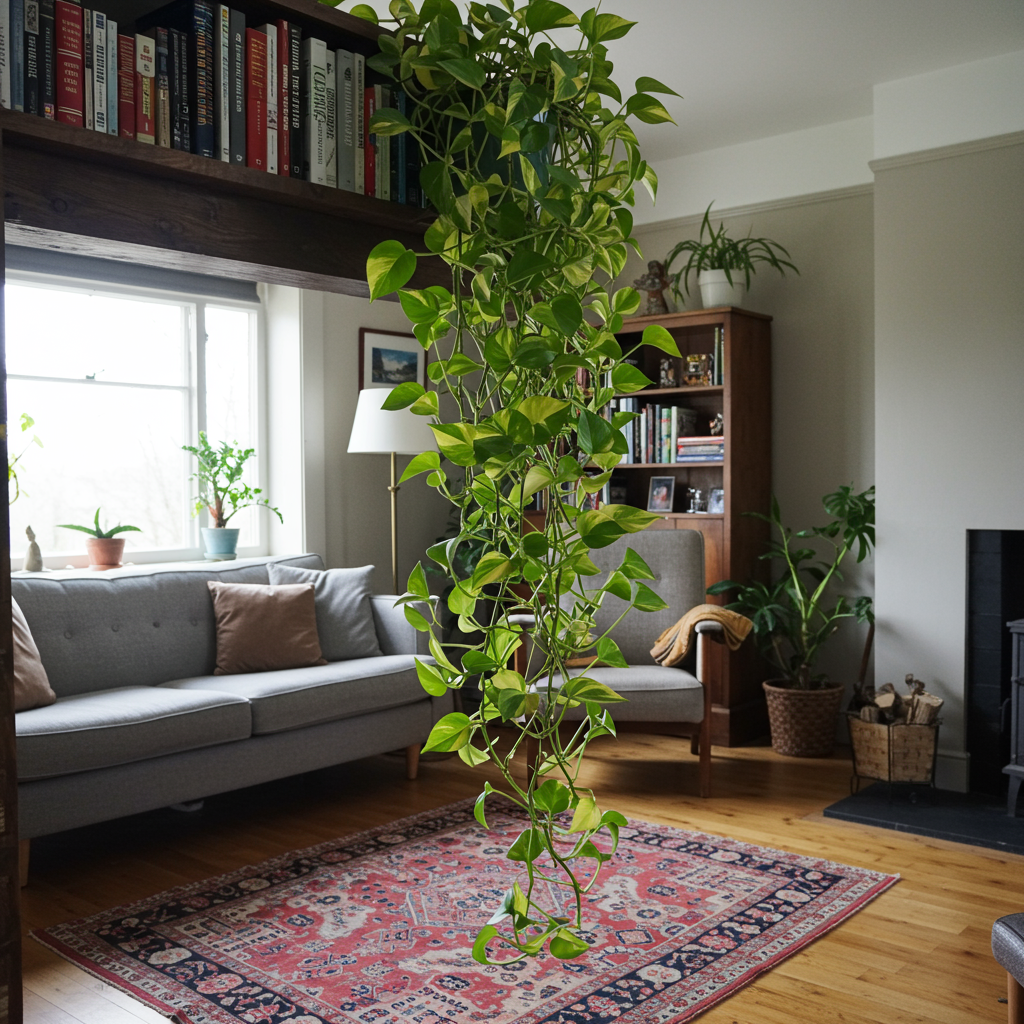
Want to add some trailing, jungle-like vibes? The Pothos (Epipremnum aureum) is your go-to. This vining plant is incredibly easy to care for and grows like a weed, making it super satisfying for new plant parents.
You can let its vines hang down from a bookshelf, trail along a mantelpiece, or even train them to climb up a wall. Pothos is also very forgiving; it will tell you when it’s thirsty with slightly droopy leaves.
- Golden Pothos: Classic green and yellow variegation.
- Marble Queen Pothos: Heavily speckled with creamy white.
- Neon Pothos: A shocking, electrifying lime green.
4. The Elegant Peace Lily
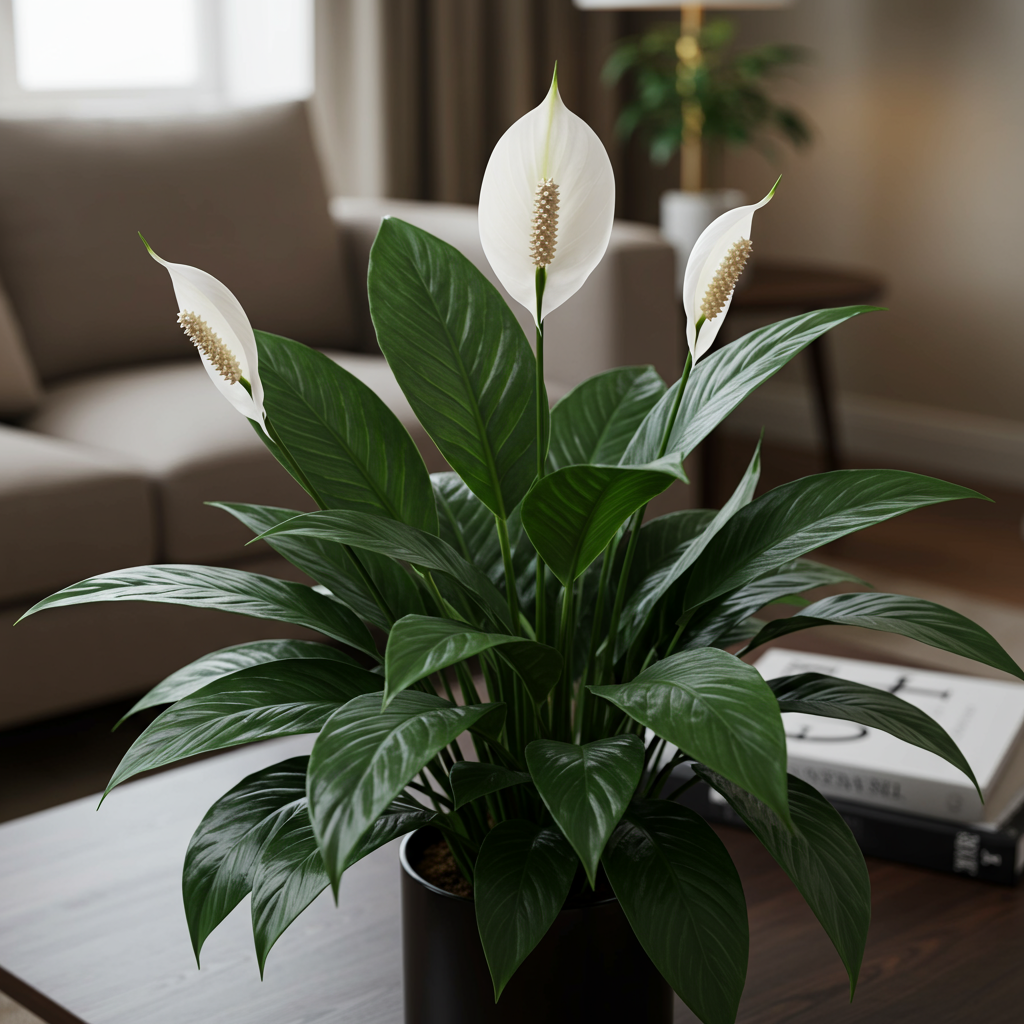
For a touch of grace and elegance, look no further than the Peace Lily (Spathiphyllum). Known for its glossy, dark green leaves and beautiful white spathes (the flower-like part), it brings a sense of calm and sophistication to a room.
The Peace Lily is not just a pretty face; it’s an air-purifying powerhouse, as noted in the NASA study. It’s also a great communicator, drooping dramatically when it needs water and perking right back up after a drink. It prefers medium, indirect light and consistently moist soil.
5. The Tropical Monstera Deliciosa
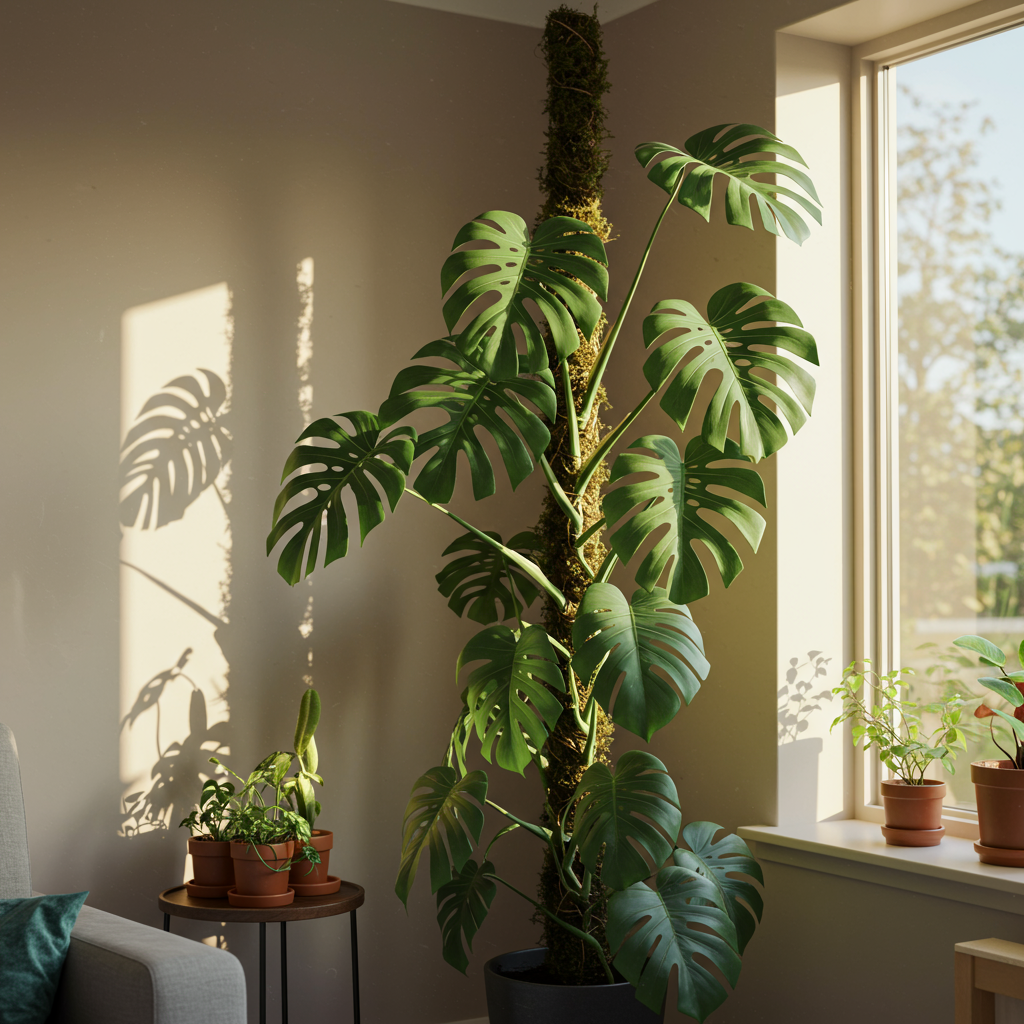
Bring the tropics indoors with the iconic Monstera Deliciosa. Its giant, split leaves are a staple of bohemian and mid-century modern decor. This plant, often called the Swiss Cheese Plant, makes a huge impact and can turn any corner into a lush jungle scene.
Monsteras love to climb, so giving them a moss pole will encourage larger, more fenestrated (split) leaves. They enjoy bright, indirect light but can tolerate lower light levels, although their growth might be slower.
Pro Tip: Wipe down your Monstera’s leaves with a damp cloth every few weeks. This keeps them dust-free, helps them absorb more light, and makes them look extra glossy!
6. The Quirky ZZ Plant
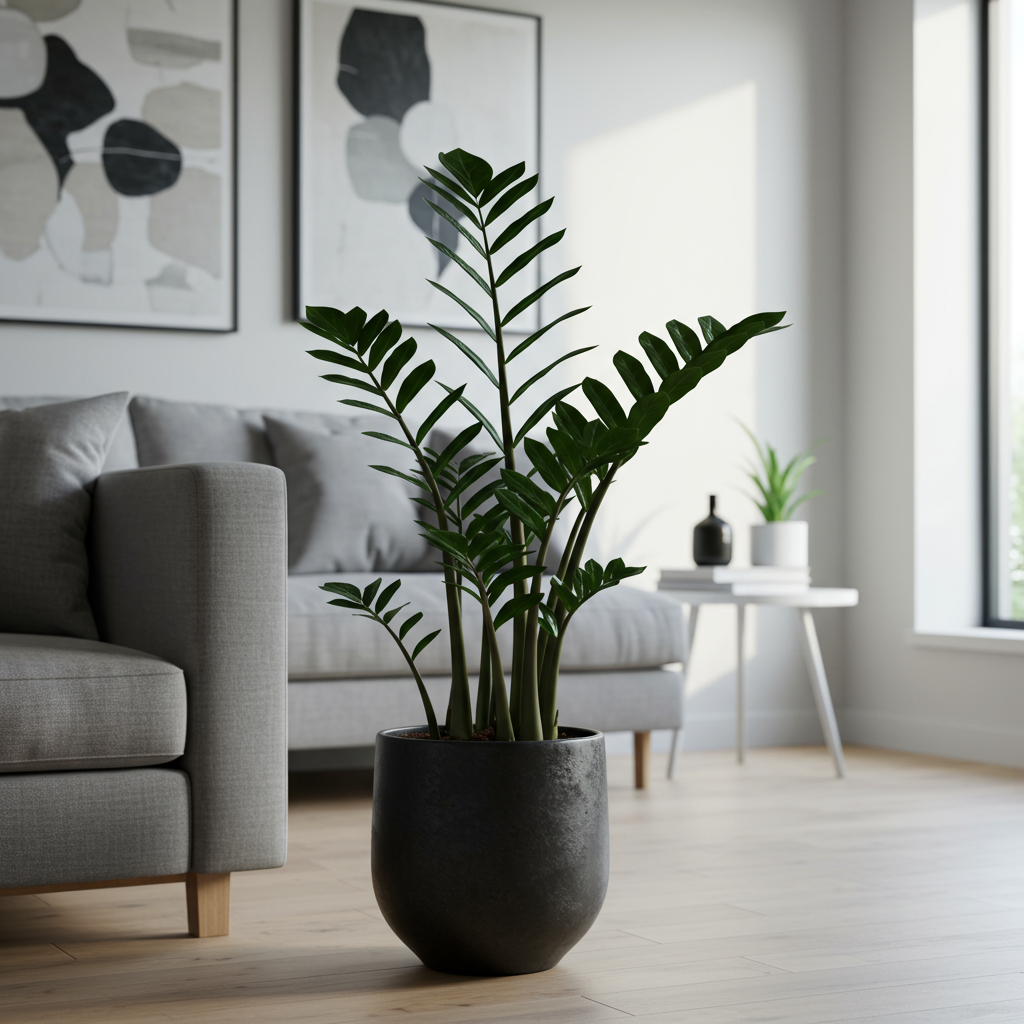
The ZZ Plant (Zamioculcas zamiifolia) is the cool, low-maintenance friend everyone needs. With its wide, dark green leaves that grow in a wand-like shape, it has a unique, prehistoric look. It’s another nearly indestructible plant that is perfect for beginners.
The ZZ plant is extremely drought-tolerant thanks to its large, potato-like rhizomes that store water. It’s happy in low light conditions, making it ideal for that darker corner of your living room where nothing else seems to survive.
7. The Classic Spider Plant
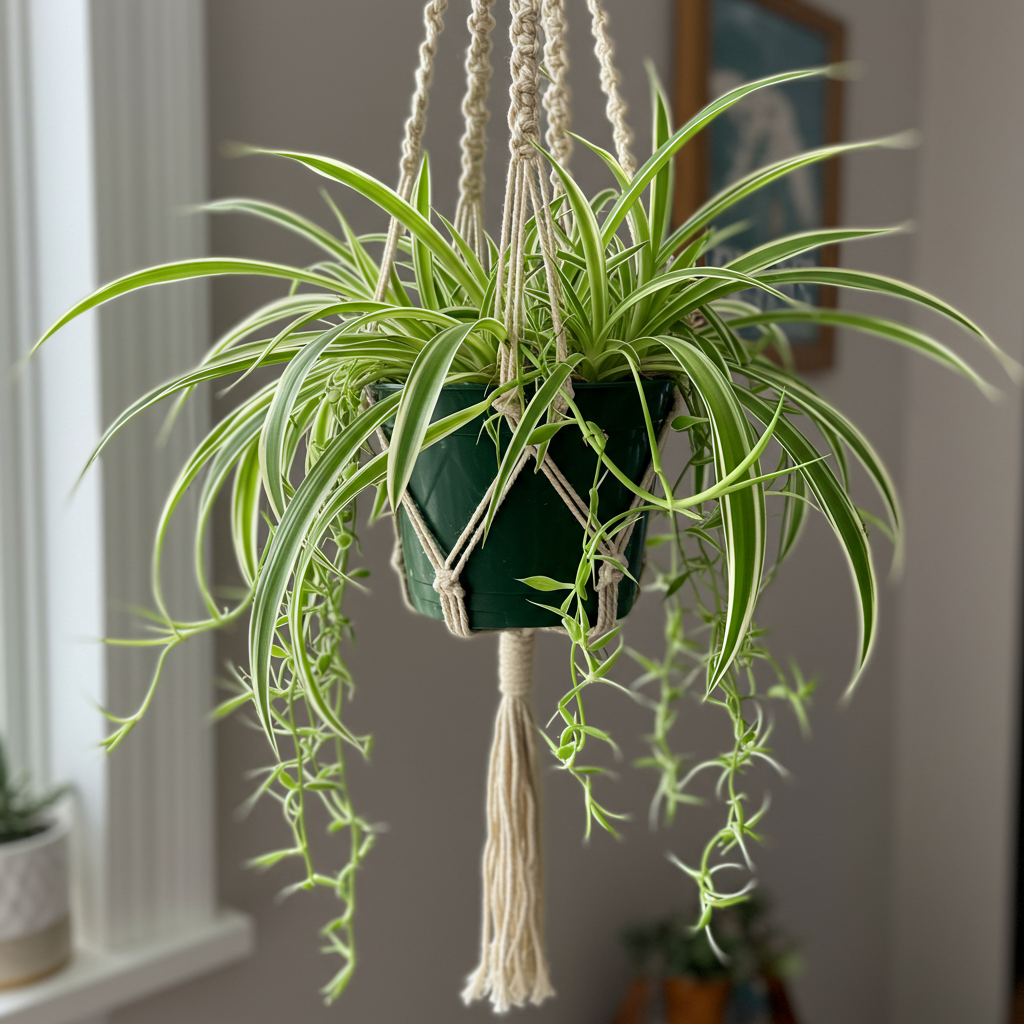
A retro favorite that’s making a huge comeback! The Spider Plant (Chlorophytum comosum) is fun, easy, and a prolific producer. Its arching leaves create a fountain-like effect, and it sends out “spiderettes,” or baby plants, that you can easily propagate.
Hang them in a macrame hanger for a bohemian feel or place them on a plant stand where their babies can dangle freely. They are super adaptable but prefer bright, indirect light and are another excellent air purifier.
8. The Dramatic Bird of Paradise
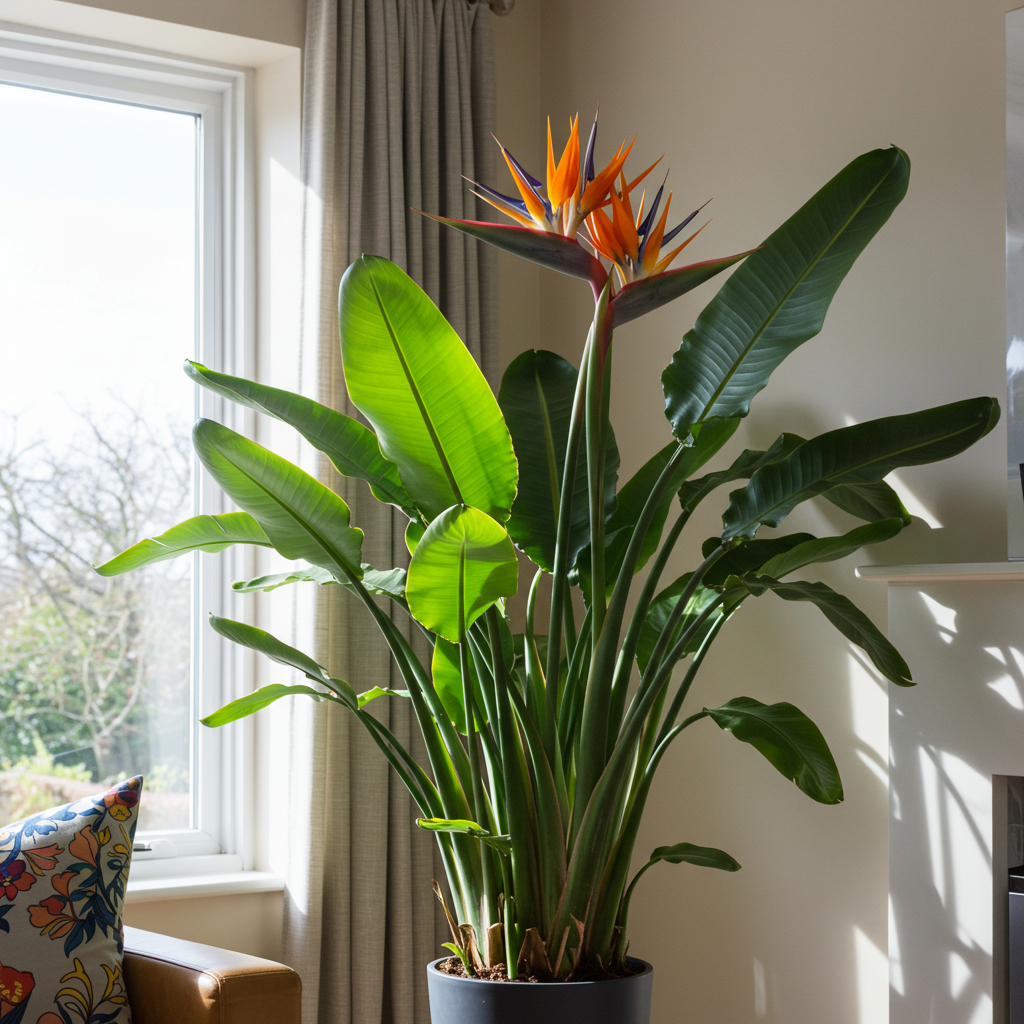
Want a showstopper? The Bird of Paradise (Strelitzia nicolai) will give you that lush, resort-style feeling right in your living room. Its large, banana-like leaves create an instant tropical canopy effect.
This plant needs space to shine and a lot of bright, direct sunlight to thrive. While it may not bloom indoors often, its foliage alone is enough to make a bold statement. It’s a faster grower than many other large houseplants, adding to its appeal.
9. The Delicate String of Pearls
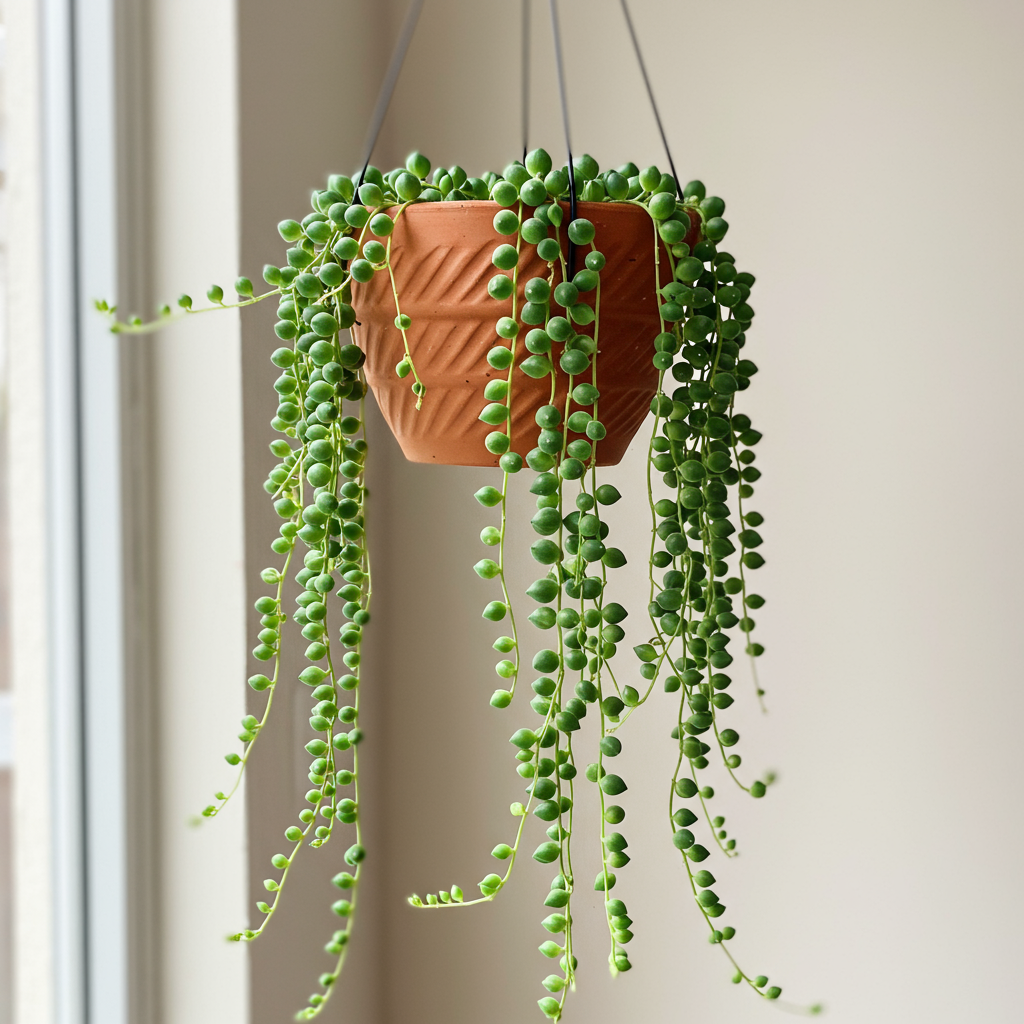
For a truly unique and whimsical touch, the String of Pearls (Senecio rowleyanus) is a must-have. This succulent has long, trailing stems adorned with small, pea-like leaves. It looks absolutely stunning cascading from a hanging basket or a high shelf.
It needs plenty of bright, indirect light and a well-draining soil mix. Be very careful not to overwater this one; its delicate roots are prone to rot. It’s a plant that commands attention and adds a soft, sculptural element.
10. The Colorful Croton
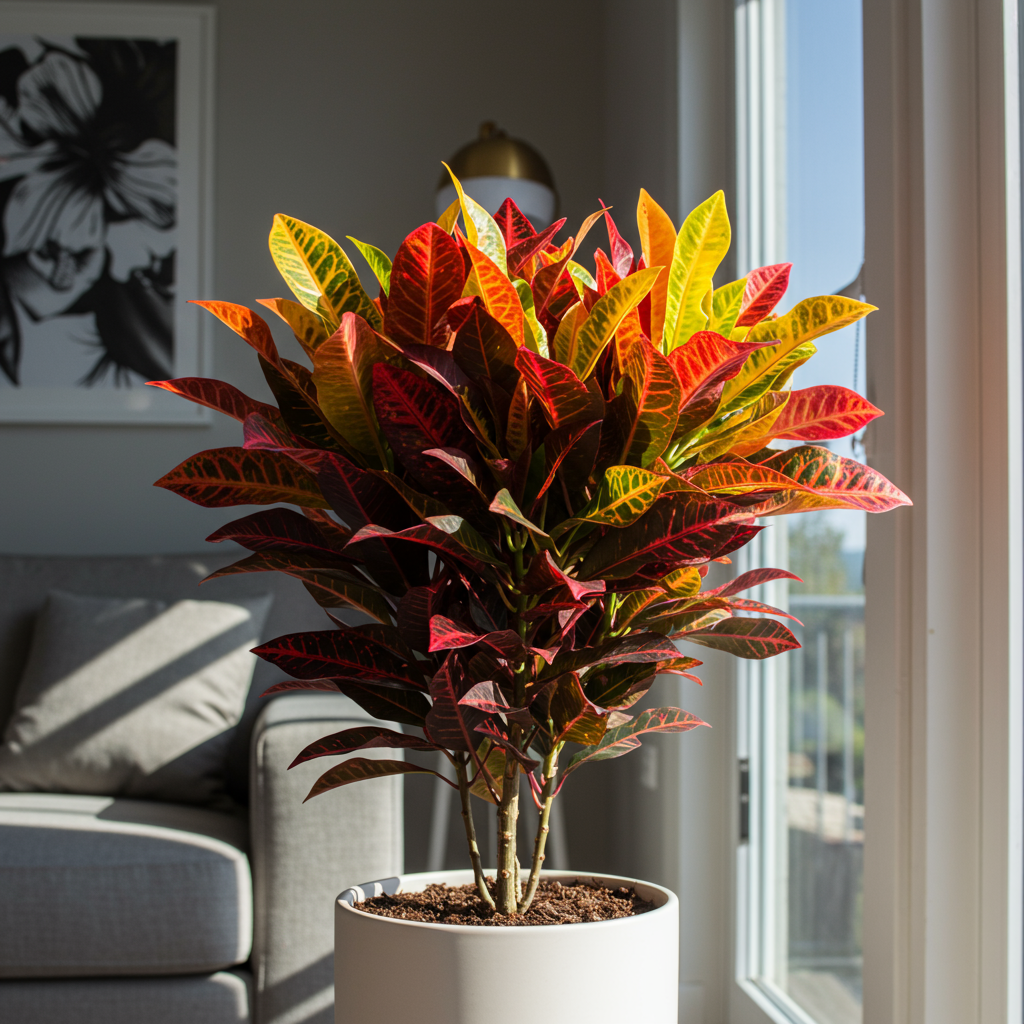
If you’re tired of all the green, a Croton plant (Codiaeum variegatum) will bring a riot of color to your living room. Their leaves are splashed with shades of red, orange, yellow, and even purple. No two leaves are exactly alike!
Crotons are another plant with a reputation for being fussy. They need lots of bright, direct sunlight to maintain their vibrant colors and hate being moved. But their dazzling display is well worth the extra attention.
11. The Hardy Cast Iron Plant
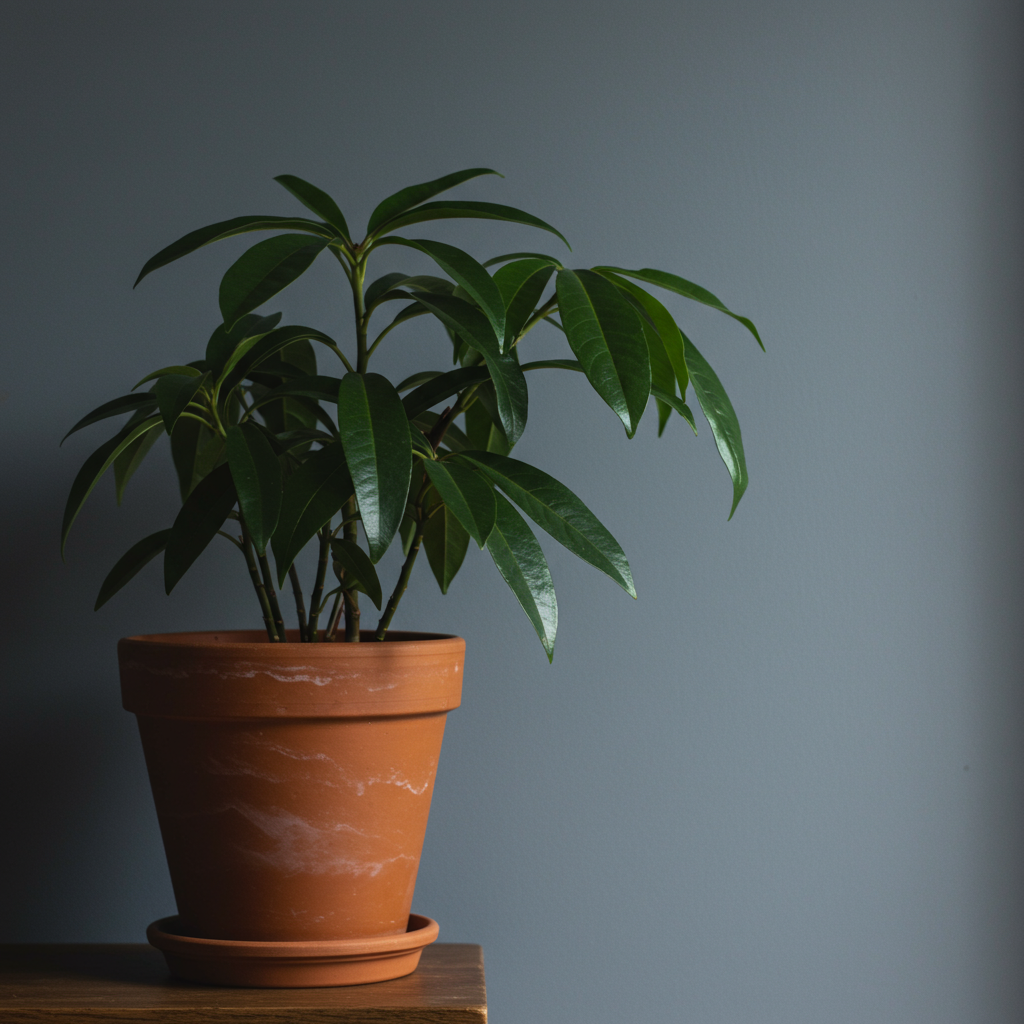
Just as the name suggests, the Cast Iron Plant (Aspidistra elatior) is tough and can withstand a lot of neglect. It has beautiful, deep green, lance-shaped leaves and can tolerate very low light, making it another fantastic option for dim spaces.
It’s a slow grower, but its resilience is its main selling point. If you have a busy lifestyle or are often away from home, this is the plant for you. It adds a touch of classic, old-world charm.
12. The Trendy Olive Tree
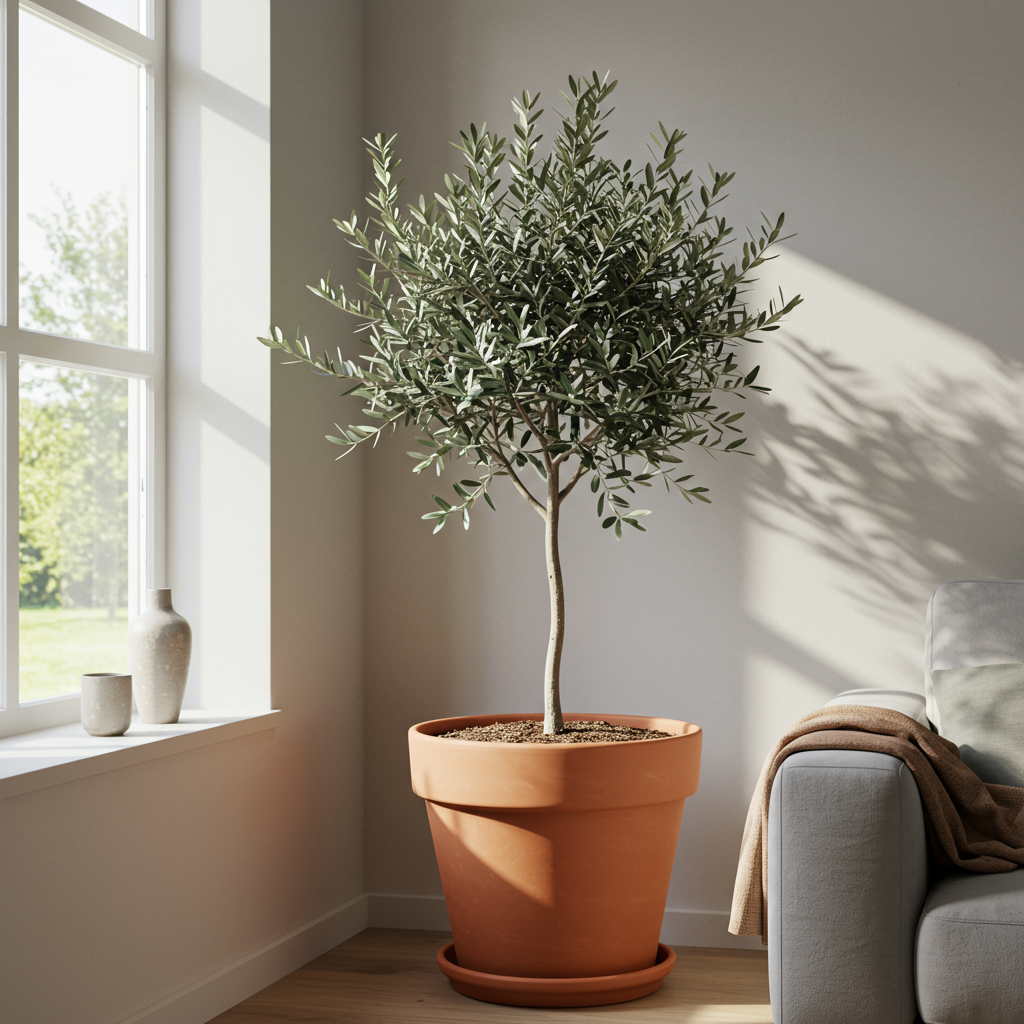
Bring a piece of the Mediterranean into your home with an indoor Olive Tree. Its silvery-green foliage and delicate branches add an airy, sophisticated, and rustic feel. It’s a minimalist’s dream plant.
Olive trees need a ton of direct sunlight—at least six hours a day. Place them right next to your sunniest window. They also require well-draining soil and don’t like to have “wet feet.”
13. The Geometric Rubber Plant
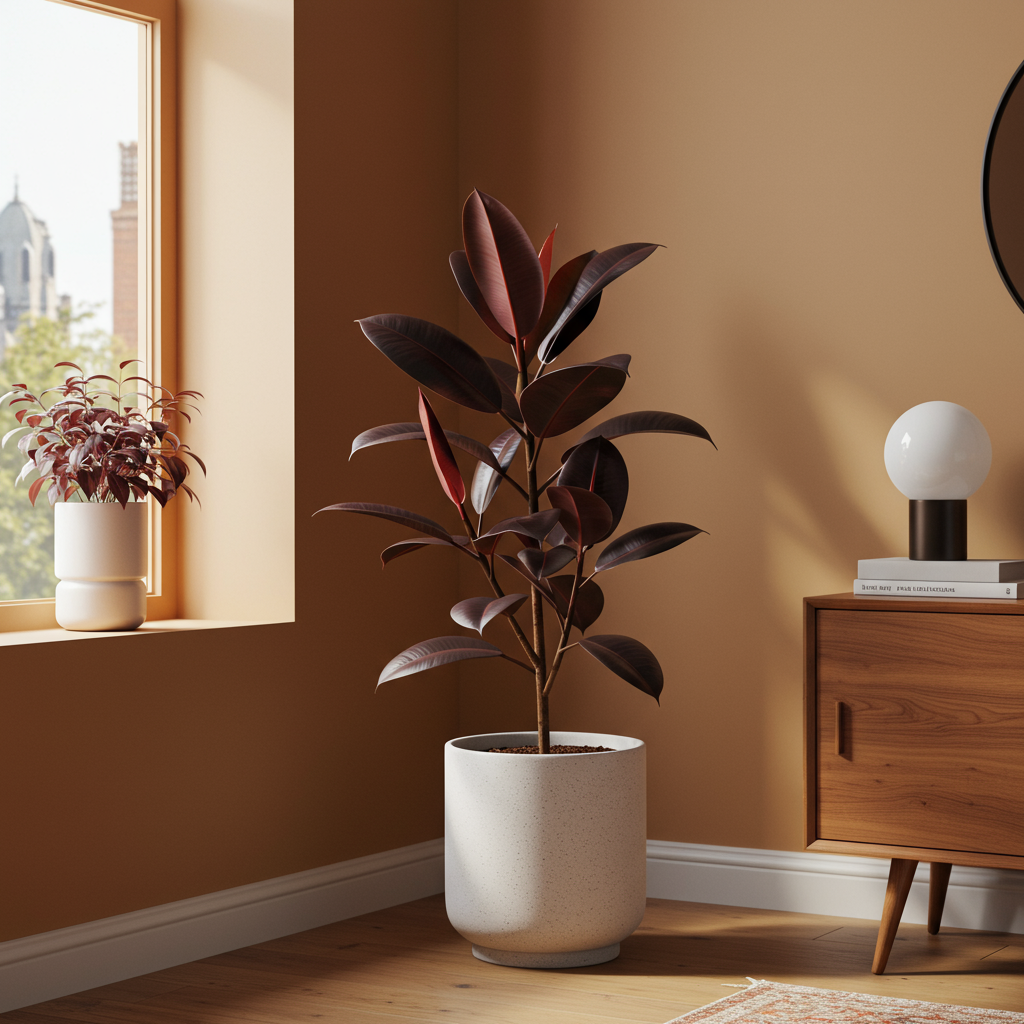
The Rubber Plant (Ficus elastica) is a handsome and robust plant. Its large, glossy leaves can range from a deep, moody burgundy to a variegated pink and cream. It has a strong, upright growth habit that adds vertical interest.
It’s much easier to care for than its cousin, the Fiddle Leaf Fig. A Rubber Plant enjoys bright, indirect light and likes to dry out slightly between waterings.
Pro Tip: You can encourage your Rubber Plant to branch out by pruning the top. This will create a fuller, bushier plant over time.
14. The Graceful Areca Palm
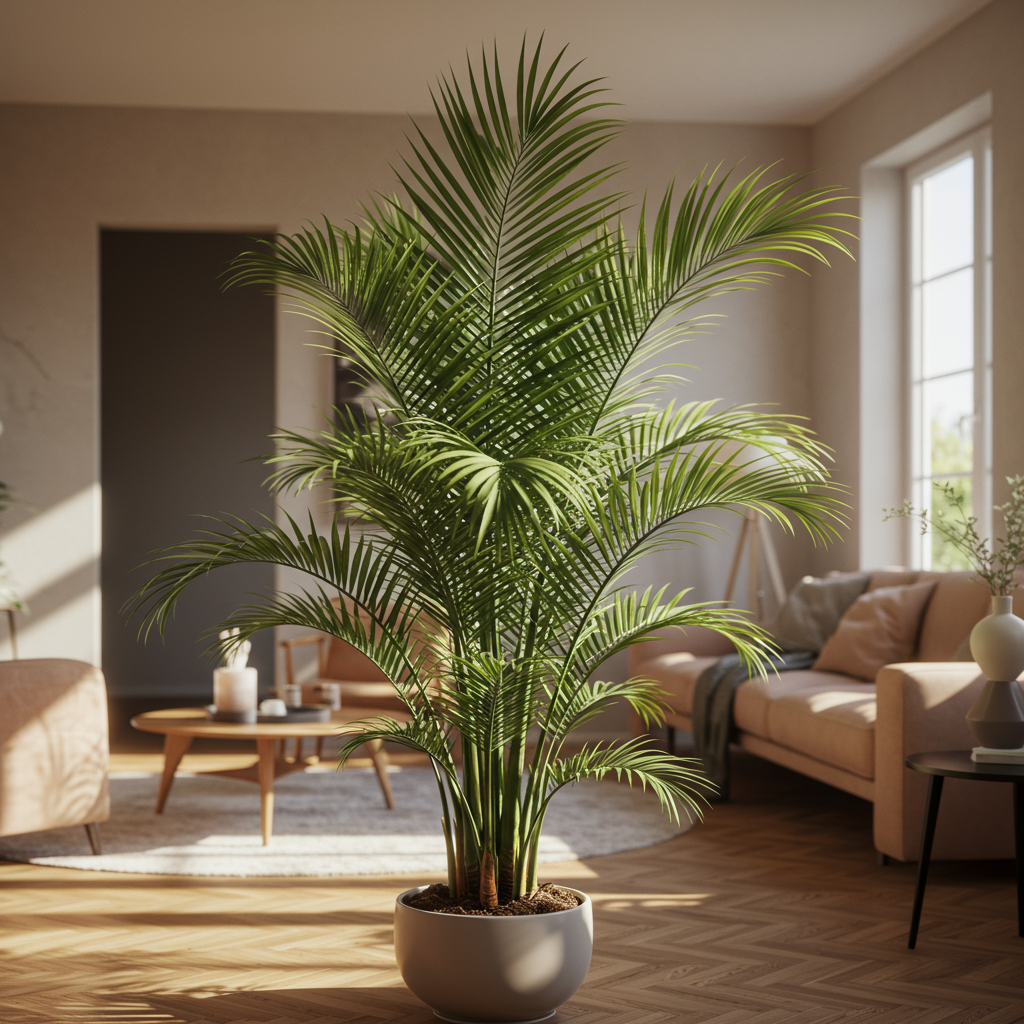
The Areca Palm (Dypsis lutescens) is one of the most popular indoor palms for good reason. Its feathery, arching fronds create a soft, tropical look that can liven up any corner. It’s also fantastic at purifying the air.
This palm prefers bright, indirect light and a bit more humidity than the average home provides. Grouping it with other plants or placing it near a humidifier can help it stay lush and green.
15. The Fascinating Prayer Plant
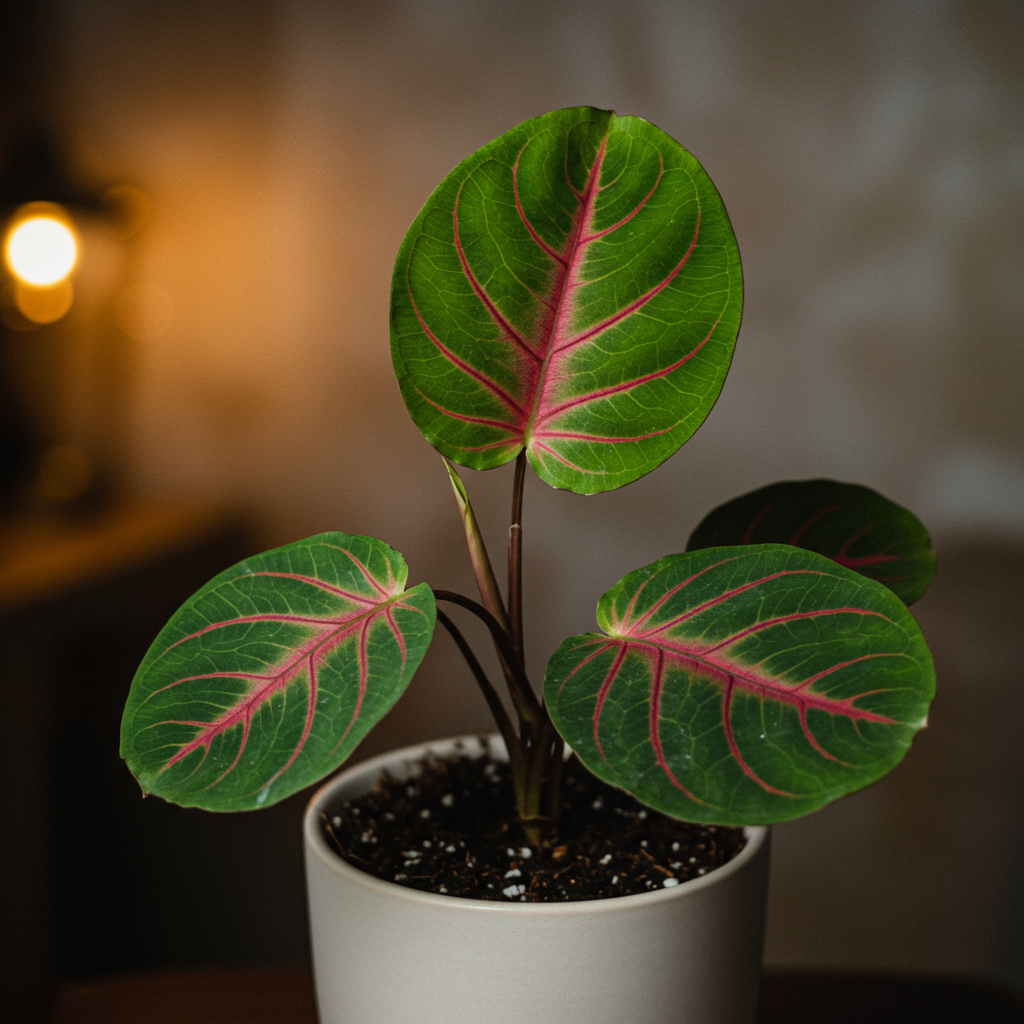
The Prayer Plant (Maranta leuconeura) is a marvel of nature. Its beautifully patterned leaves have a unique habit: they lie flat during the day and fold up at night, as if in prayer. It’s fascinating to watch!
This plant loves humidity and consistently moist soil. Its stunning foliage, with intricate veining in shades of red, cream, and green, makes it a true collector’s item and a conversation starter.
16. The Sweetheart Plant (Hoya Kerrii)
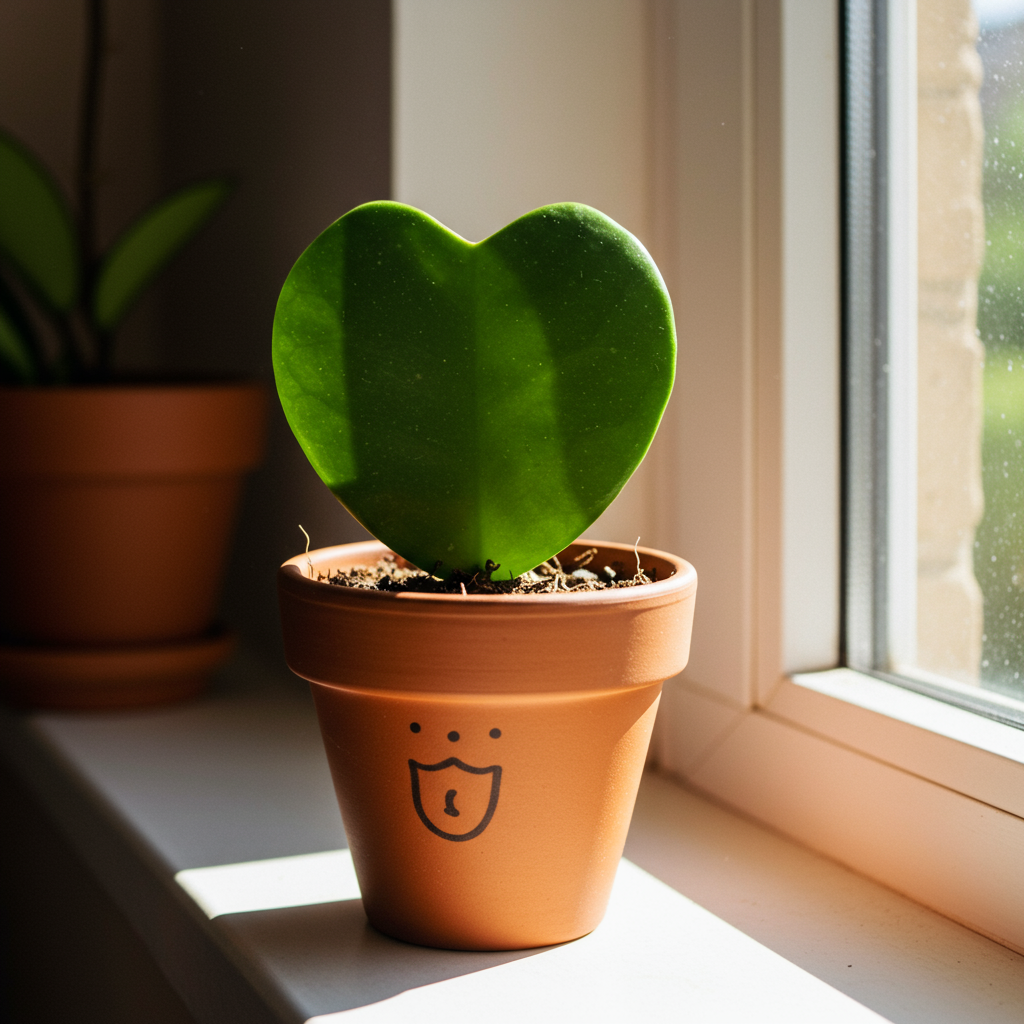
Looking for a little love? The Hoya Kerrii, or Sweetheart Plant, is often sold as a single, heart-shaped leaf in a pot. It’s a quirky and adorable addition to a windowsill or a small side table.
With a lot of patience and care, that single leaf can eventually grow into a trailing vine covered in hearts. It’s a succulent, so it needs bright light and very little water. It’s the perfect plant gift for someone you care about.
17. The Textured Rhipsalis
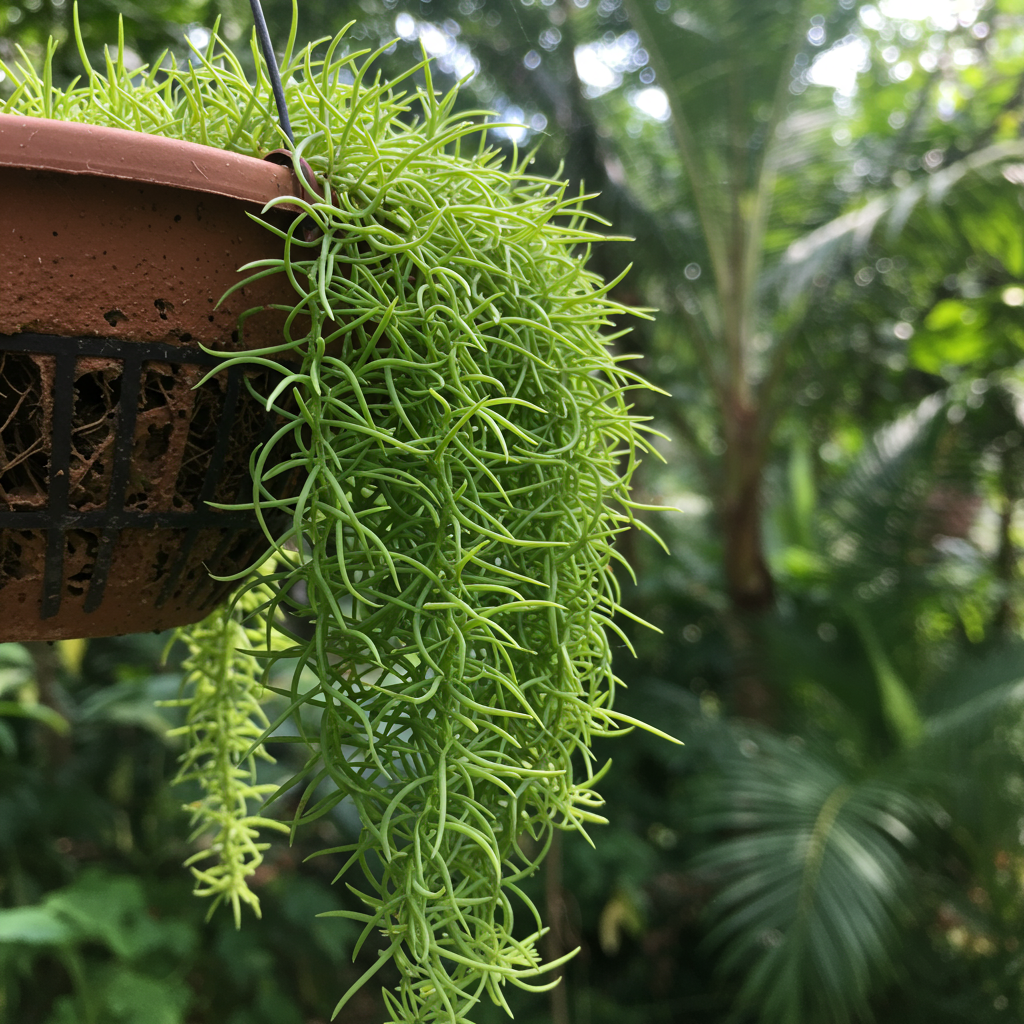
If you want the look of a cactus without the sharp spines, Rhipsalis is for you. This genus of jungle cactus has long, trailing stems that can look like coral, mistletoe, or even spaghetti. It adds a ton of interesting texture.
Unlike their desert cousins, these cacti grow on trees in rainforests, so they prefer bright, indirect light and more frequent watering. They are perfect for hanging baskets where their unusual forms can be fully appreciated.
18. The Majestic Kentia Palm
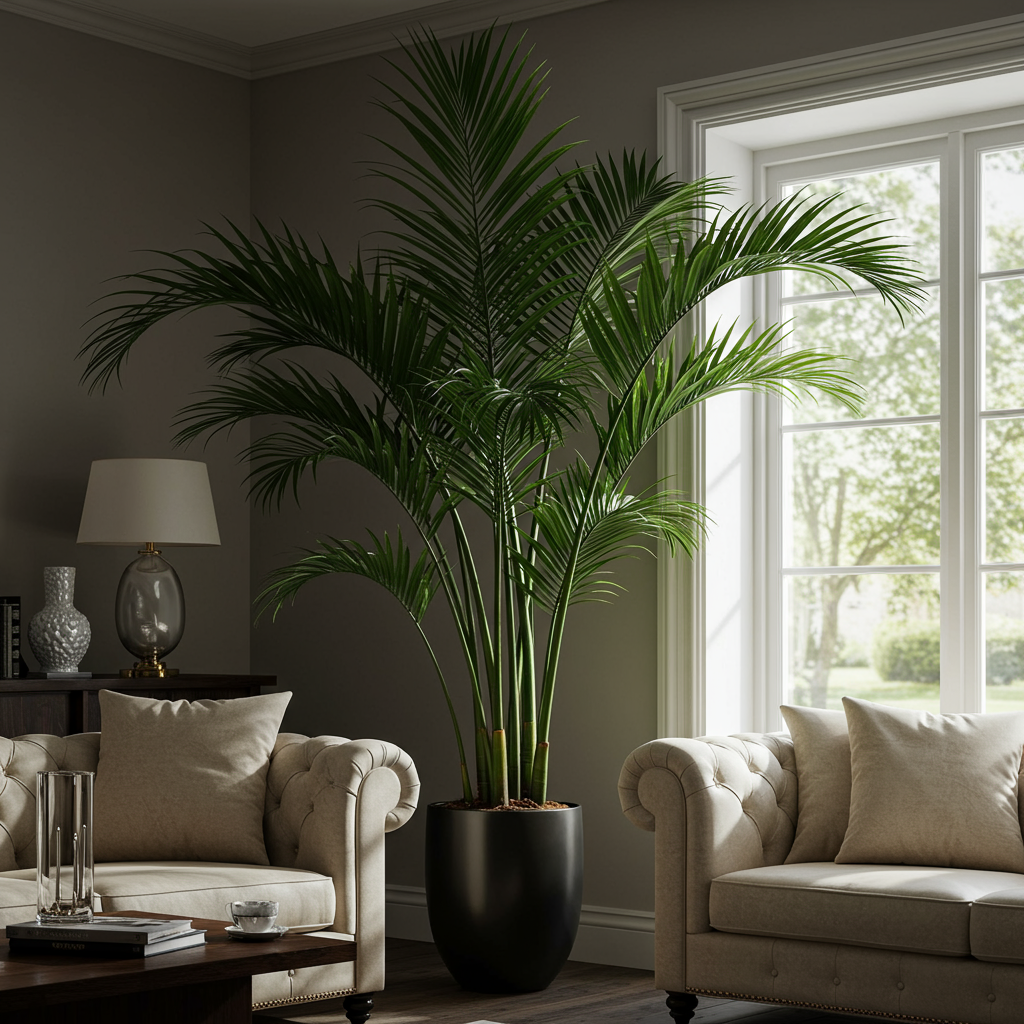
The Kentia Palm (Howea forsteriana) is the picture of Victorian elegance and is one of the most durable and adaptable indoor palms. It has a graceful, slender trunk and long, arching fronds that create a beautiful silhouette.
It’s more tolerant of lower light and drier air than the Areca Palm, making it a more forgiving choice for many homes. It’s a slow grower, but its stately presence adds a timeless sense of luxury to a living room.
19. The Air-Purifying English Ivy
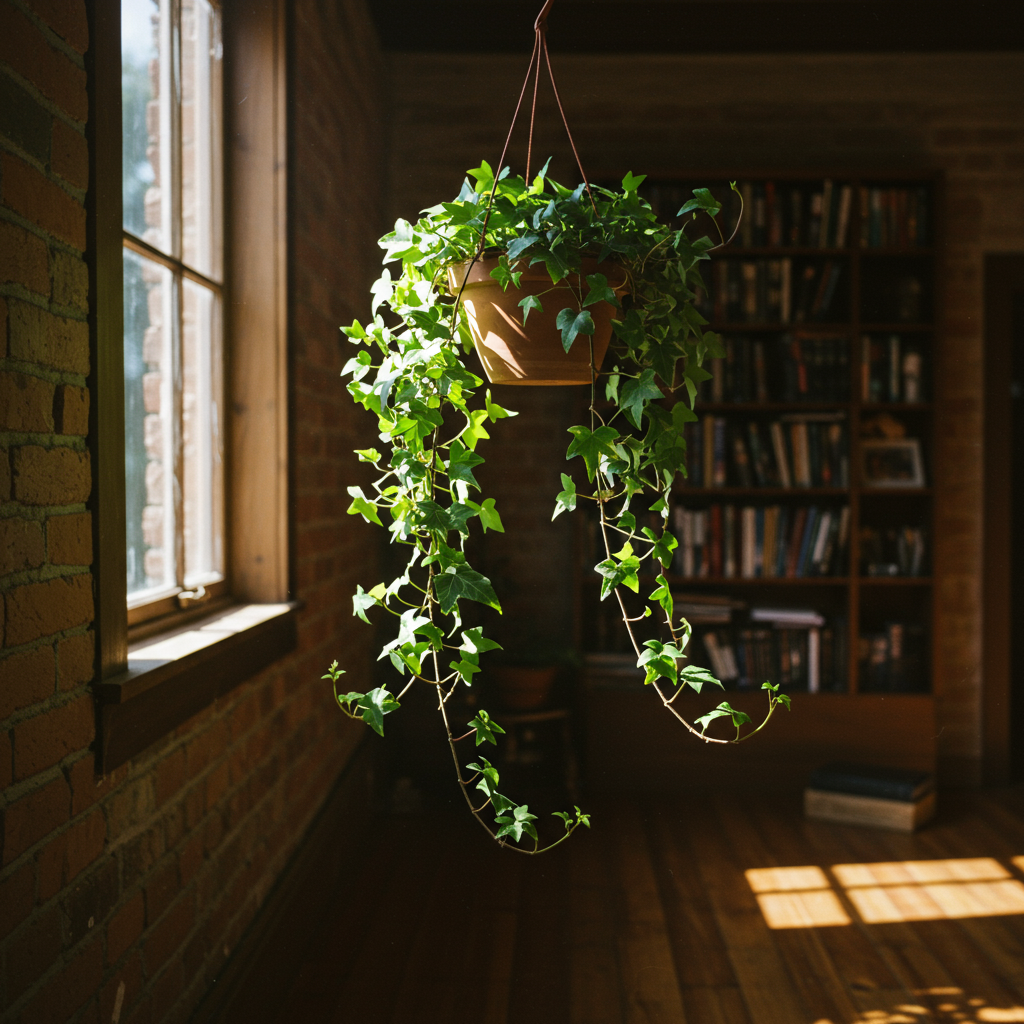
English Ivy (Hedera helix) is a classic, vigorous vine that is incredibly effective at cleaning the air. Its lobed leaves and aggressive growth habit can quickly cover a surface, adding an old-world, romantic feel.
It can be a bit of a pest magnet (spider mites love it), so keep an eye on it. Let it trail from a hanging pot or create a stunning living wall by training it up a trellis.
20. The Bold Aglaonema (Chinese Evergreen)
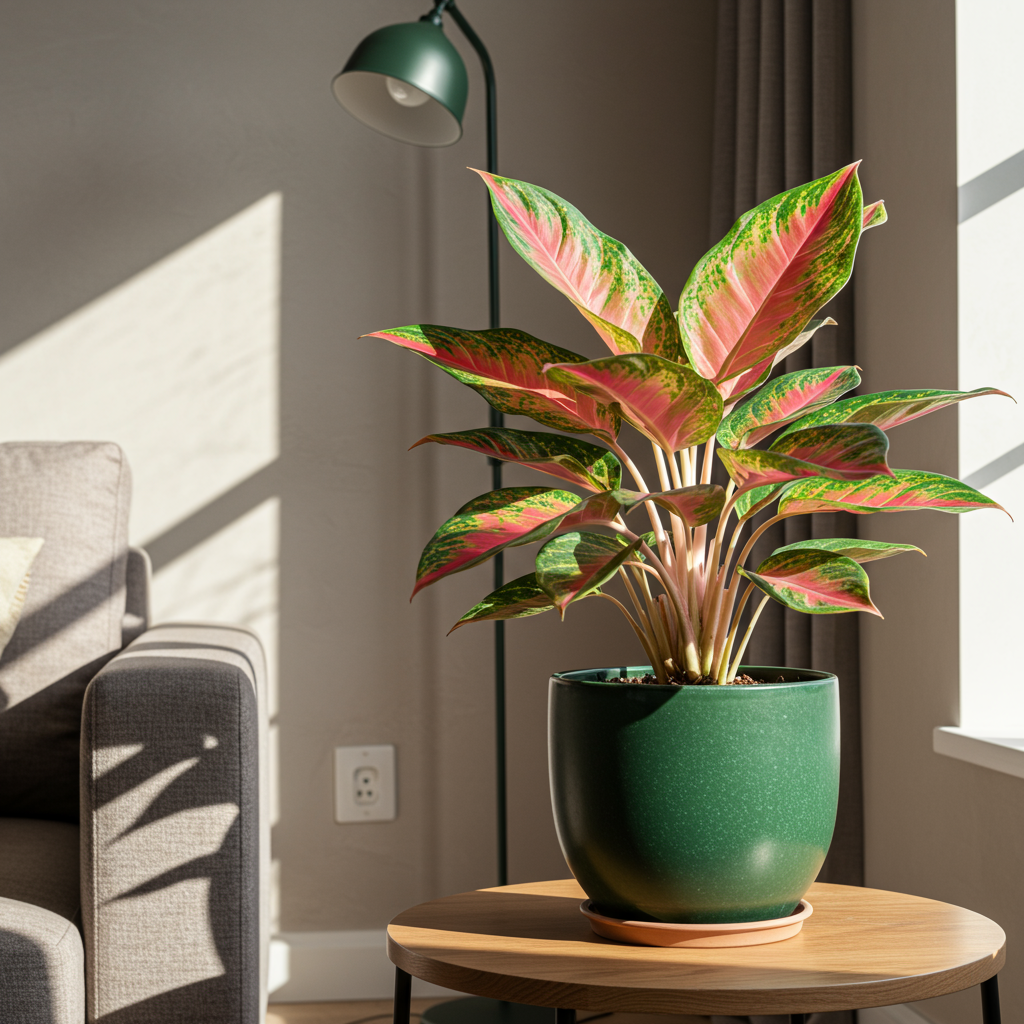
The Chinese Evergreen is one of the most stylish and durable houseplants you can own. Its foliage comes in an incredible array of colors and patterns, from silver and green to vibrant pink and red. It’s a great way to add a pop of color that isn’t a flower.
Best of all, it’s incredibly adaptable. Aglaonema can tolerate low light and is quite forgiving if you forget to water it occasionally. It’s a perfect plant for adding personality without adding a lot of work.
21. Creating a Plant Grouping or “Jungalow” Corner
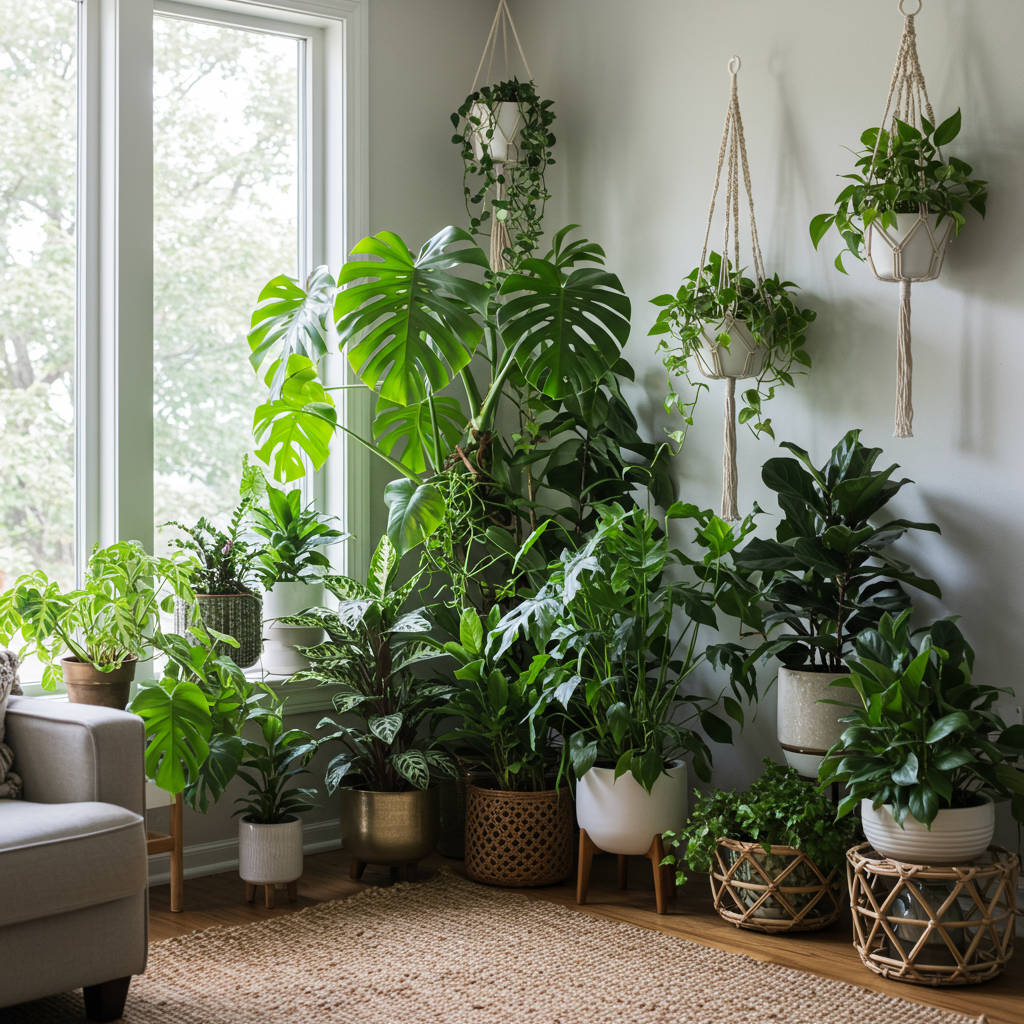
Why stop at one? One of the most effective living room plants ideas is to group several plants. This creates a high-impact “jungalow” effect and is actually better for the plants, too!
Grouping plants increases the humidity around them as they transpire, creating a microclimate they all enjoy. Mix and match different heights, textures, and leaf shapes for a dynamic and visually interesting display. Use a combination of floor planters, plant stands, and small pots on stools to create layers.
Frequently Asked Questions (FAQ)
1. What are the best low-light plants for a living room?
The best choices for low-light conditions are the Snake Plant, ZZ Plant, Cast Iron Plant, and Pothos. While they can tolerate low light, they will always do better with a bit more brightness, so even a spot far from a window is better than no window at all.
2. How often should I water my living room plants?
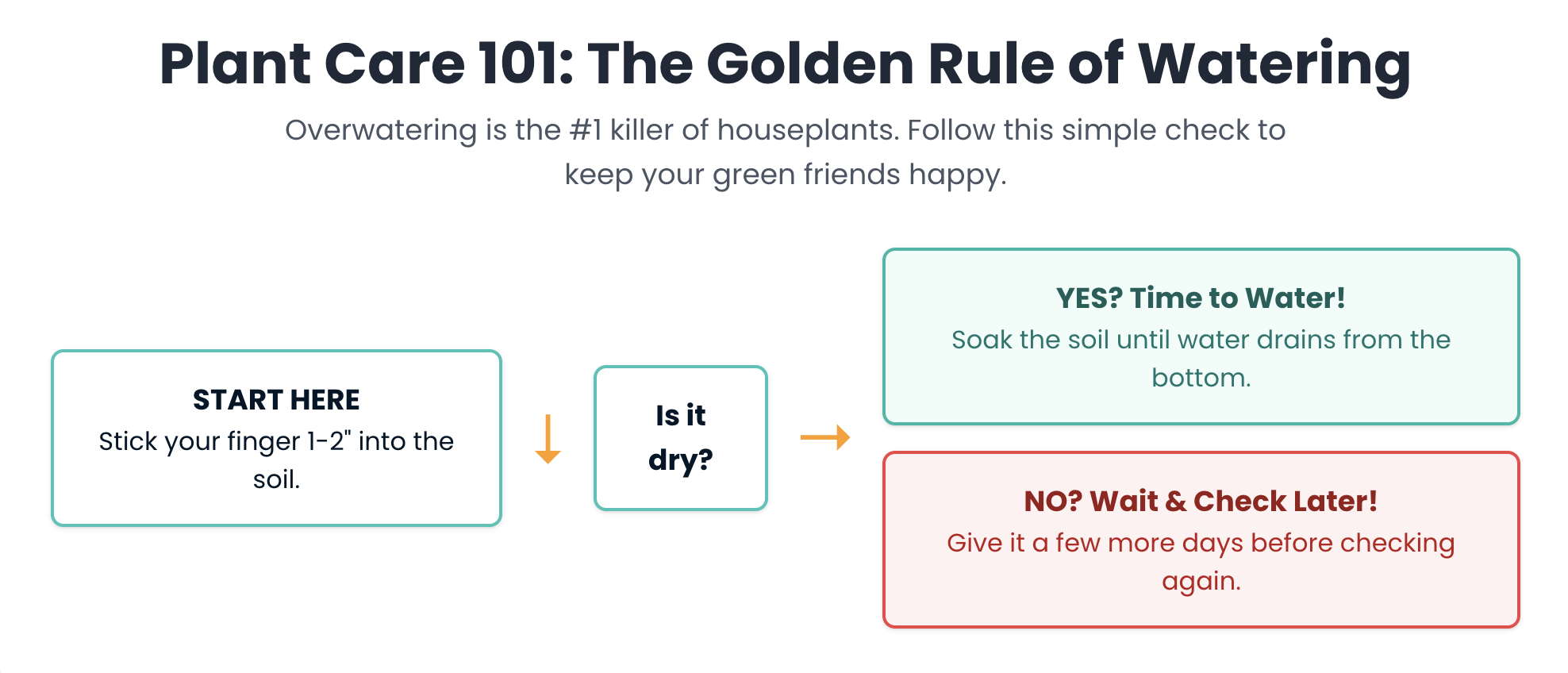
There’s no single answer! It depends on the plant, the pot size, the light, and the temperature. The best rule of thumb is to check the soil. Stick your finger about an inch or two into the soil. If it’s dry, it’s time to water.
3. Is it okay to use fake plants?
Absolutely! While you won’t get the air-purifying or stress-reducing benefits, high-quality faux plants can still provide that lush, green aesthetic without any of the work. They are perfect for very dark corners, high shelves, or for people who travel frequently.
4. How do I keep my plants from dying?
The number one killer of houseplants is overwatering! It’s better to underwater than to overwater. The second biggest issue is light. Make sure you match the plant to the light you have available in your living room.
5. What’s the easiest way to get started with houseplants?
Start small! Don’t go out and buy 20 plants at once. Begin with one or two “easy” plants like a Snake Plant or a Pothos. Once you get the hang of caring for them and build your confidence, you can gradually add more to your collection.
Your Living Room’s Secret Weapon
Embracing living room plants ideas is about more than just decoration; it’s about creating a living, breathing ecosystem that nurtures you back. While we’ve talked a lot about individual plants and their needs, the secret weapon to a truly stunning plant-filled living room is the pottery.
The planter is the “outfit” for your plant. Investing in beautiful, high-quality pots that match your decor style—whether it’s ceramic, terracotta, metal, or woven baskets—is what elevates your plant game from a simple hobby to a core element of your interior design. So as you choose your green friends, don’t forget to give them a stylish home to live in.
Sources for Further Research
- NASA Clean Air Study: https://ntrs.nasa.gov/citations/19930073077
- Journal of Physiological Anthropology – Interaction with indoor plants: https://www.ncbi.nlm.nih.gov/pmc/articles/PMC4419447/
- Health Benefits of Indoor Plants – Texas A&M AgriLife Extension: https://agrilifetoday.tamu.edu/2020/03/26/the-many-health-benefits-of-houseplants/