15 Hanging Plants on Fence Ideas You NEED to See!
Is your backyard fence looking a little… blah? A plain wooden or vinyl fence is like a blank canvas just waiting for a splash of life and color. We’ve got you covered with a treasure trove of hanging plants on fence ideas that will transform that boring barrier into a stunning vertical garden masterpiece. Get ready to turn your fence into the most beautiful feature of your yard!
The Power of Green: More Than Just a Pretty View
Before we dive into the fun stuff, let’s geek out for a second. Turning your fence into a vertical garden isn’t just about looks; it’s good for you and the planet. Green spaces, even small ones, are powerhouses of positivity.
A study published in the Journal of Environmental Horticulture found that even small-scale plantings in urban areas can have significant psychological benefits, reducing stress and improving mood. Your fence garden is your own little slice of that science-backed happiness! It also helps cool the surrounding air, provides a mini-habitat for pollinators like bees and butterflies, and can even help muffle neighborhood noise.
Plant Cheat Sheet for Your Fence
Choosing the right plant is half the battle. You need to consider sunlight, your climate, and how much care you’re willing to provide. Here’s a quick-glance table to help you pick the perfect leafy friends for your fence project.
| Plant Type | Sun Lovers (6+ hours) | Shade Tolerant (Less than 4 hours) | Great for |
|---|---|---|---|
| Trailing Flowers | Petunia, Calibrachoa (Million Bells), Verbena | Fuchsia, Begonia, Lobelia | Cascading color |
| Lush Greenery | Sweet Potato Vine, Vinca Vine | English Ivy, Ferns (Boston, Maidenhair) | Filling space, texture |
| Edibles | Strawberries, Tumbling Tom Tomatoes, Thyme | Lettuce, Spinach, Mint, Parsley | Fresh snacks! |
| Drought-Tolerant | Portulaca (Moss Rose), Sedum, String of Pearls | – | Low-maintenance |
1. The Classic Over-the-Fence Hanger
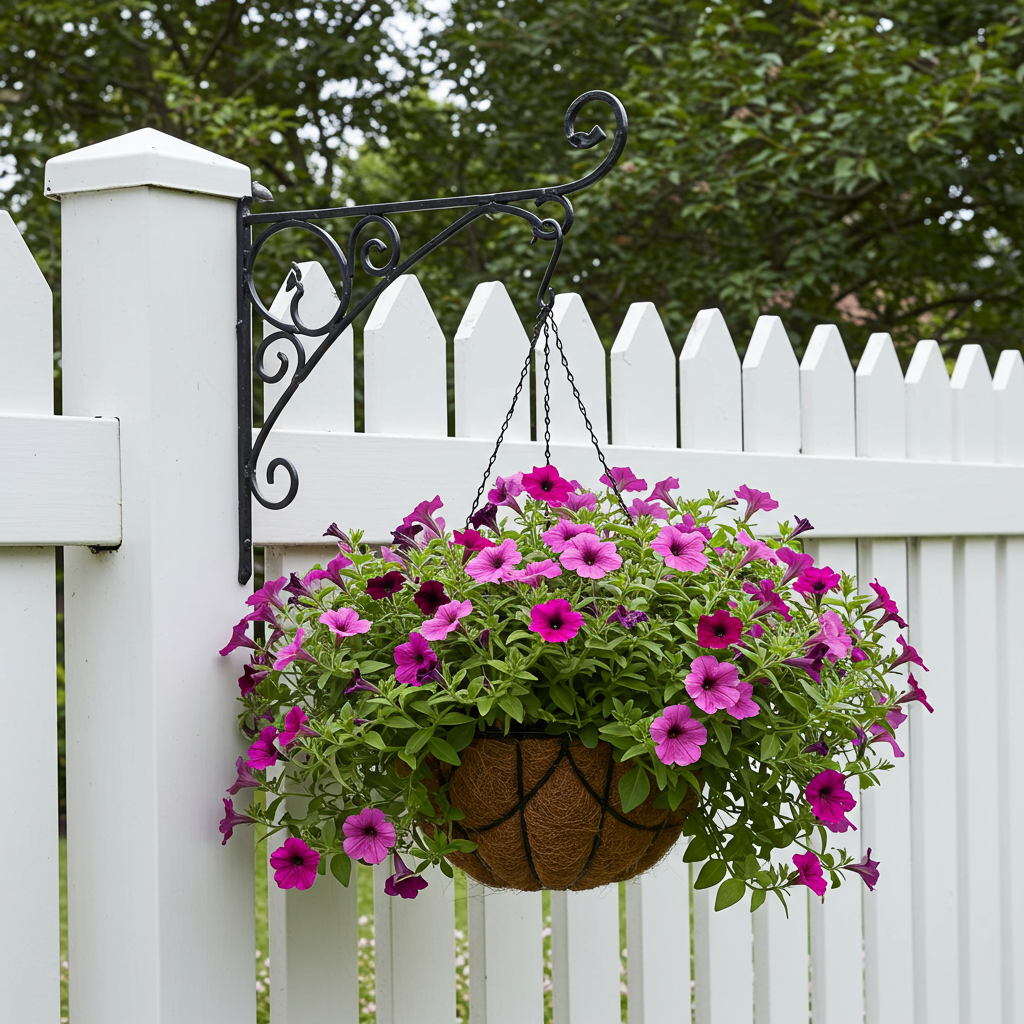
Let’s start with the easiest, most straightforward method in the book. This is your gateway into the world of fence gardening, and it’s practically foolproof. You simply buy pre-made hangers that hook right over the top of your fence.
These hangers are usually made of metal and come in various lengths and styles. Some are simple hooks, while others are more decorative, shaped like scrolls or flowers. The beauty of this method is its simplicity and the fact that you don’t need to drill a single hole into your fence. This is especially great for renters or for anyone who is a little nervous about taking a power tool to their fence.
You can find these hooks at any garden center, home improvement store, or online. Just measure the thickness of your fence top to make sure you get a hook that fits snugly. Then, all you have to do is pop a potted plant or a hanging basket onto the hook, and boom—instant garden.
2. Repurposed Gutter Garden
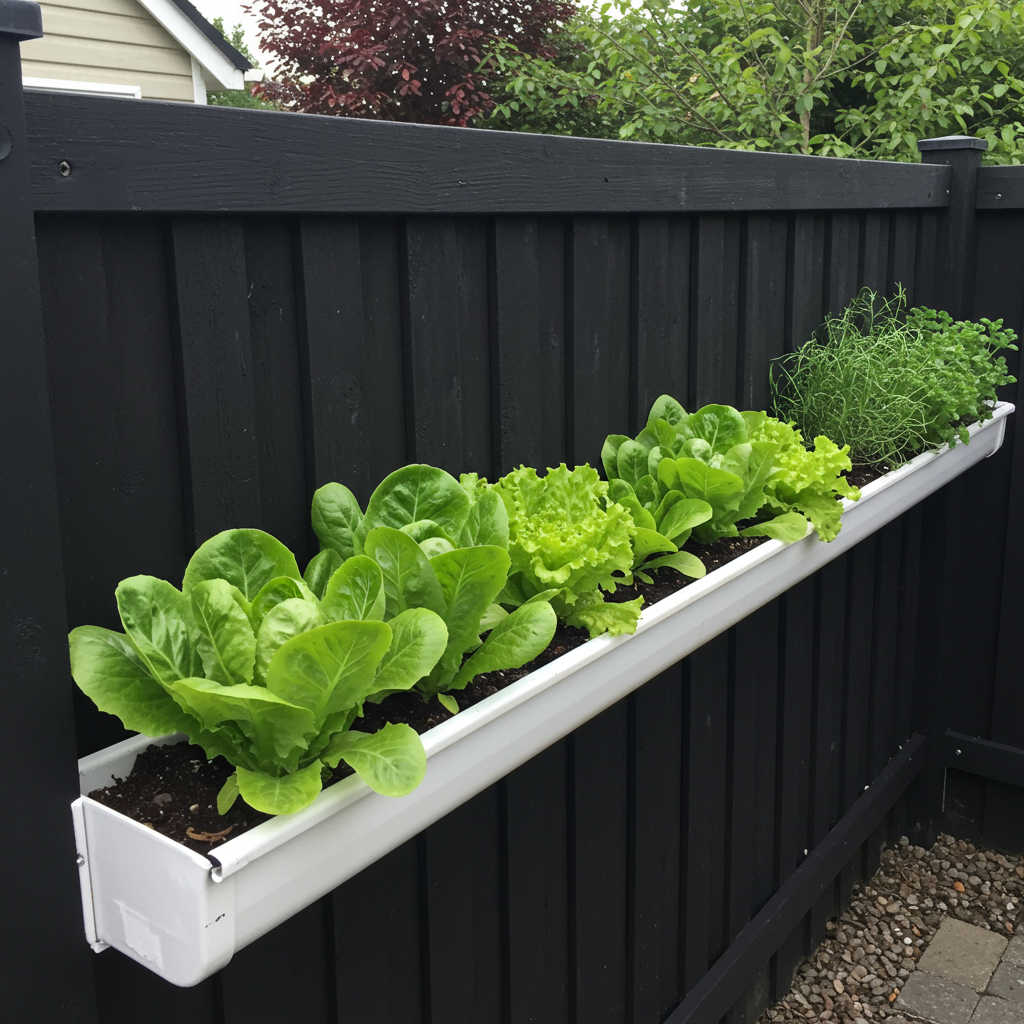
This idea is pure genius and a fantastic way to upcycle. Old rain gutters can be transformed into amazing, long planters that are perfect for a fence. They provide a continuous line of planting space, which looks incredibly sleek and modern.
First, you’ll need to get your hands on some gutters. You can use old ones you’ve replaced or buy new vinyl or metal sections, which are surprisingly cheap. Make sure you get the end caps for the gutters to hold the soil in. This is a critical step people often forget!
To install them, you’ll need to drill the gutters directly onto the fence or use brackets. Drill a few drainage holes along the bottom of the gutter every foot or so to prevent water from pooling and causing root rot. This setup is perfect for growing shallow-rooted plants like lettuce, herbs, or even strawberries. Imagine stepping out your back door to snip fresh basil for your dinner, right from your fence!
Pro Tip: Paint the gutters a fun, bold color before you hang them. A bright blue or sunny yellow can add an amazing pop of personality to your yard and make the green of your plants stand out even more.
3. The Rustic Pallet Planter
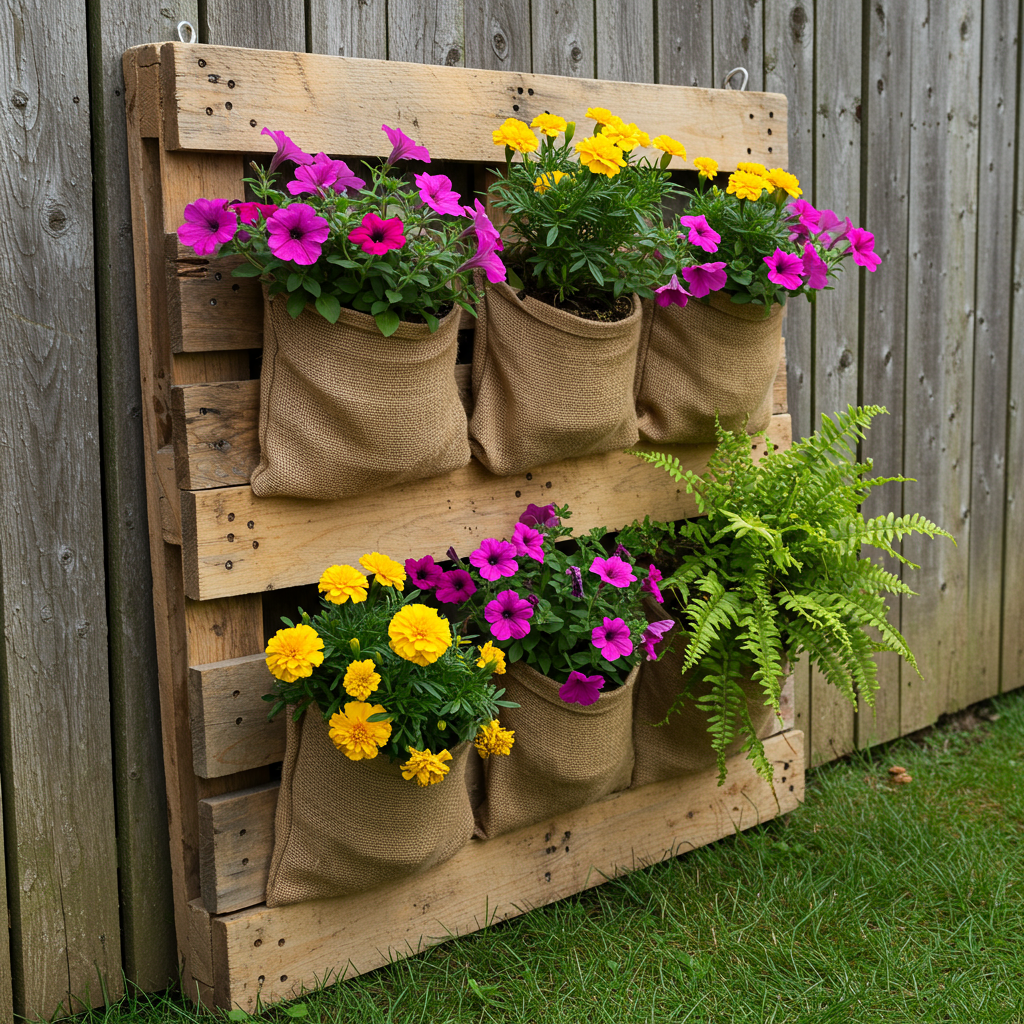
If you love the farmhouse chic or rustic vibe, this project is calling your name. Transforming a wooden shipping pallet into a vertical planter is a super popular DIY project for a reason: it’s easy, cheap (sometimes free!), and looks incredible.
You can often find pallets for free behind supermarkets or at construction sites—just be sure to ask for permission before taking one. Look for a pallet stamped with “HT,” which means it was heat-treated, not chemically treated, making it safe for growing plants, especially if you plan on growing edibles.
To prep the pallet, you’ll staple landscape fabric inside the slats to create pockets for soil. You essentially form little pouches that will hold your plants. Once you’ve created your fabric pockets, you can stand the pallet up against your fence, secure it at the top for safety, and fill your pockets with soil and plants. This is a fantastic way to display a wide variety of smaller plants like succulents, herbs, and annual flowers.
4. Magical Mason Jar Herb Garden
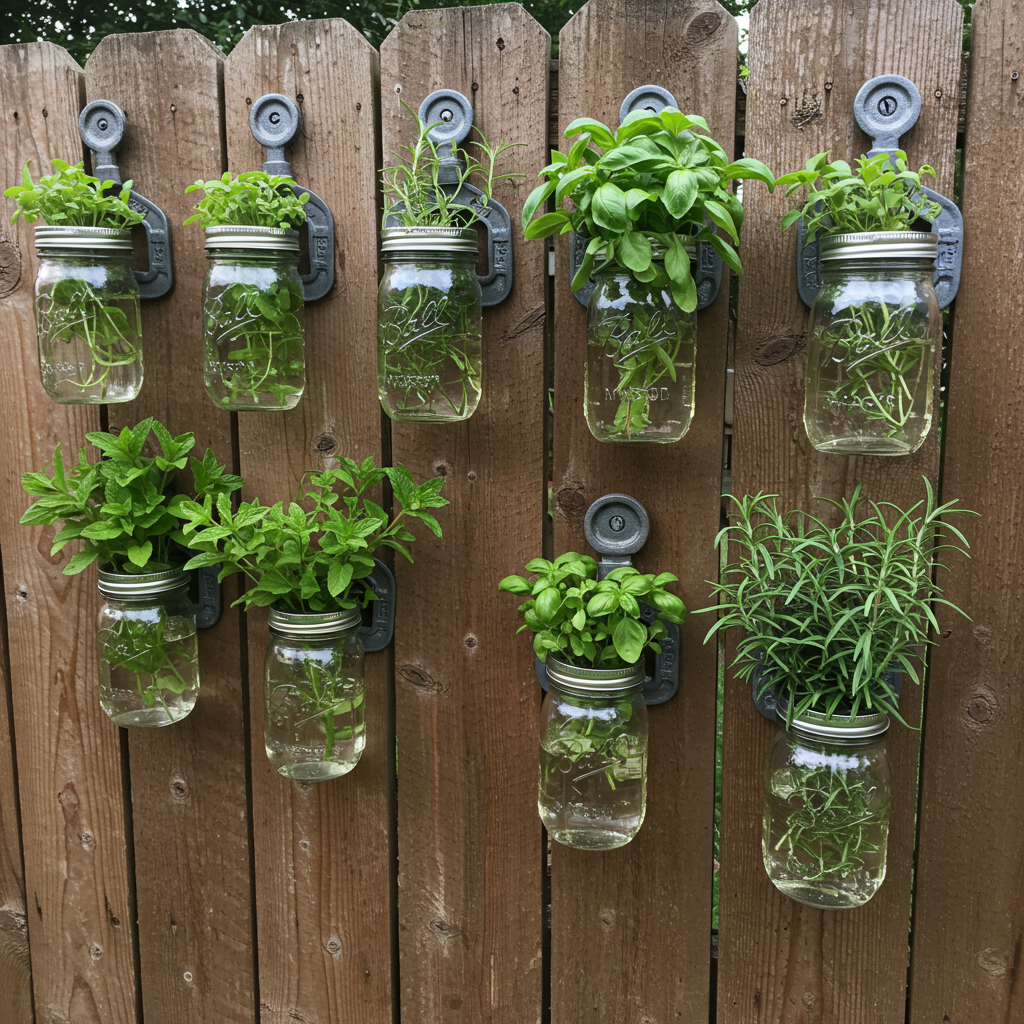
For a touch of whimsical, country charm, nothing beats a mason jar herb garden. It’s cute, it’s practical, and it’s a wonderful way to keep fresh herbs right at your fingertips. This idea works best on a wooden fence where you can easily add screws.
You’ll need several mason jars, pipe clamps (the metal rings used in plumbing), and screws. Attach a pipe clamp to the fence with a screw, leaving it just loose enough to slide the neck of a mason jar into it. Then, tighten the screw to hold the jar securely in place.
Before you add your plants, it’s vital to add a layer of small pebbles or gravel to the bottom of each jar for drainage. Since you can’t drill holes in glass jars, this layer gives excess water a place to go so your herb’s roots don’t get waterlogged. This is a perfect home for herbs like mint, parsley, rosemary, and thyme.
5. The Unexpected Shoe Organizer
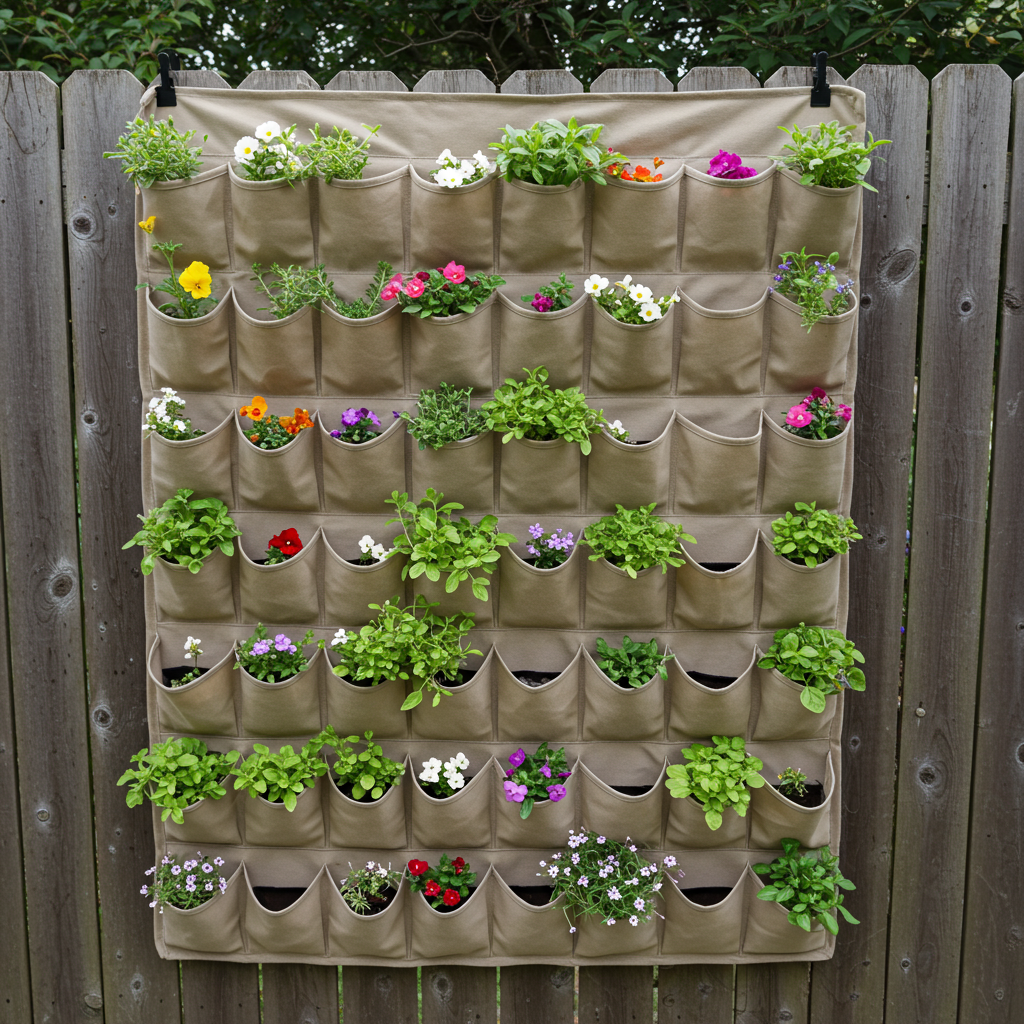
Okay, stay with me on this one. It sounds weird, but a fabric over-the-door shoe organizer makes an amazing vertical planter for a fence. They are cheap, durable, and come with a ton of pockets already made for you!
Just get a standard canvas shoe organizer and hang it on your fence using hooks or by screwing it directly on. The canvas material is breathable and allows for great drainage, which plants love. The pockets are the perfect size for individual herbs, lettuces, or small annual flowers.
This is a fantastic solution for someone who wants a massive green wall effect without a lot of construction. Imagine 24 pockets filled with a mix of colorful flowers and trailing greenery! It’s a high-impact look for a very low cost and minimal effort. Just be aware that the fabric can dry out quickly in direct sun, so you’ll need to keep a close eye on watering.
6. Terrific Trellis & Clematis Combo
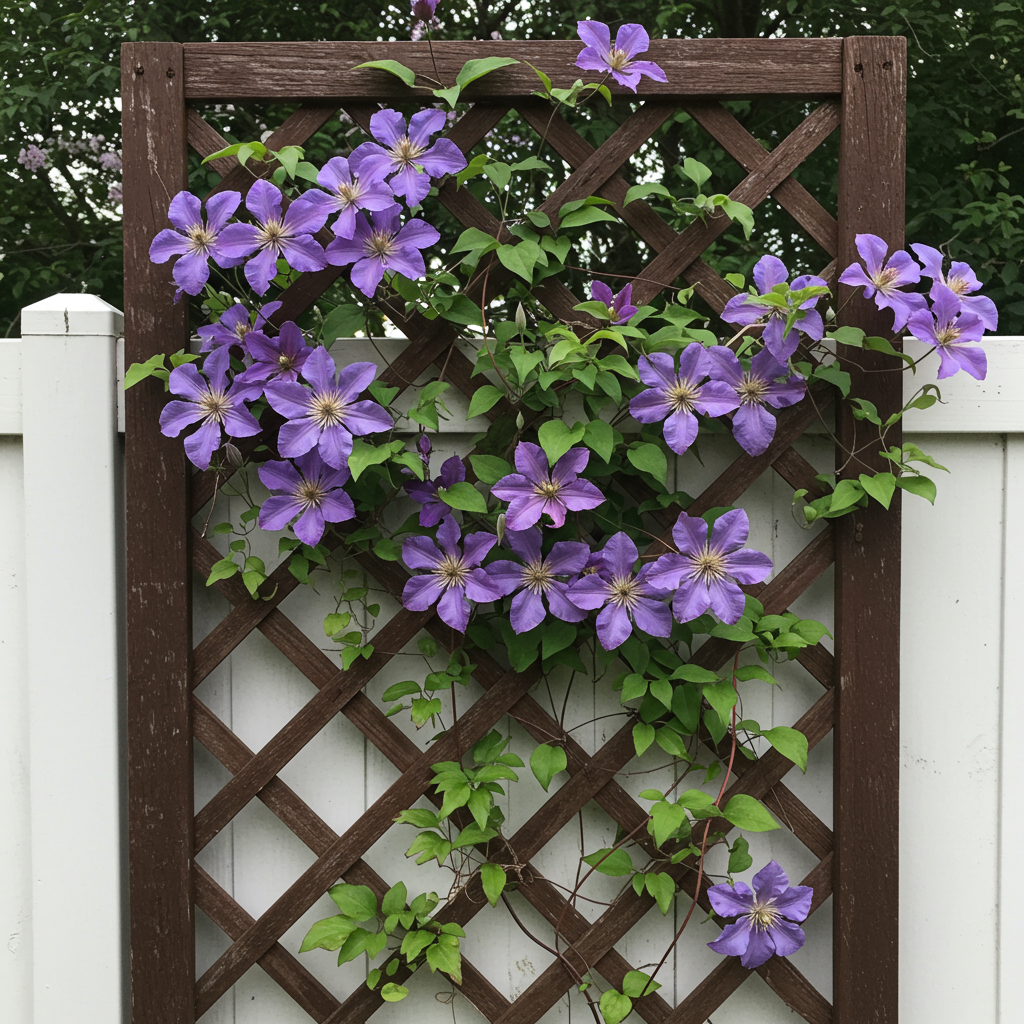
A trellis isn’t just for climbing roses against a house. Attaching a simple wooden or metal trellis to your fence creates an elegant and structured backdrop for climbing plants. It adds architectural interest and gives vines something to grab onto as they grow.
You can buy pre-made trellis panels in all shapes and sizes, from classic fan shapes to modern square grids. Attach the trellis to your fence, leaving a small gap of an inch or two between the trellis and the fence itself. This gap is crucial as it allows for air circulation, which helps prevent mildew and disease on both the plant and your fence.
Plant a beautiful climbing vine like a Clematis, with its huge, showy flowers, or a fragrant Jasmine at the base. As it grows, gently weave its tendrils through the trellis. In a season or two, you’ll have a breathtaking wall of flowers and greenery that completely hides your fence.
7. Instant Living Wall Panels
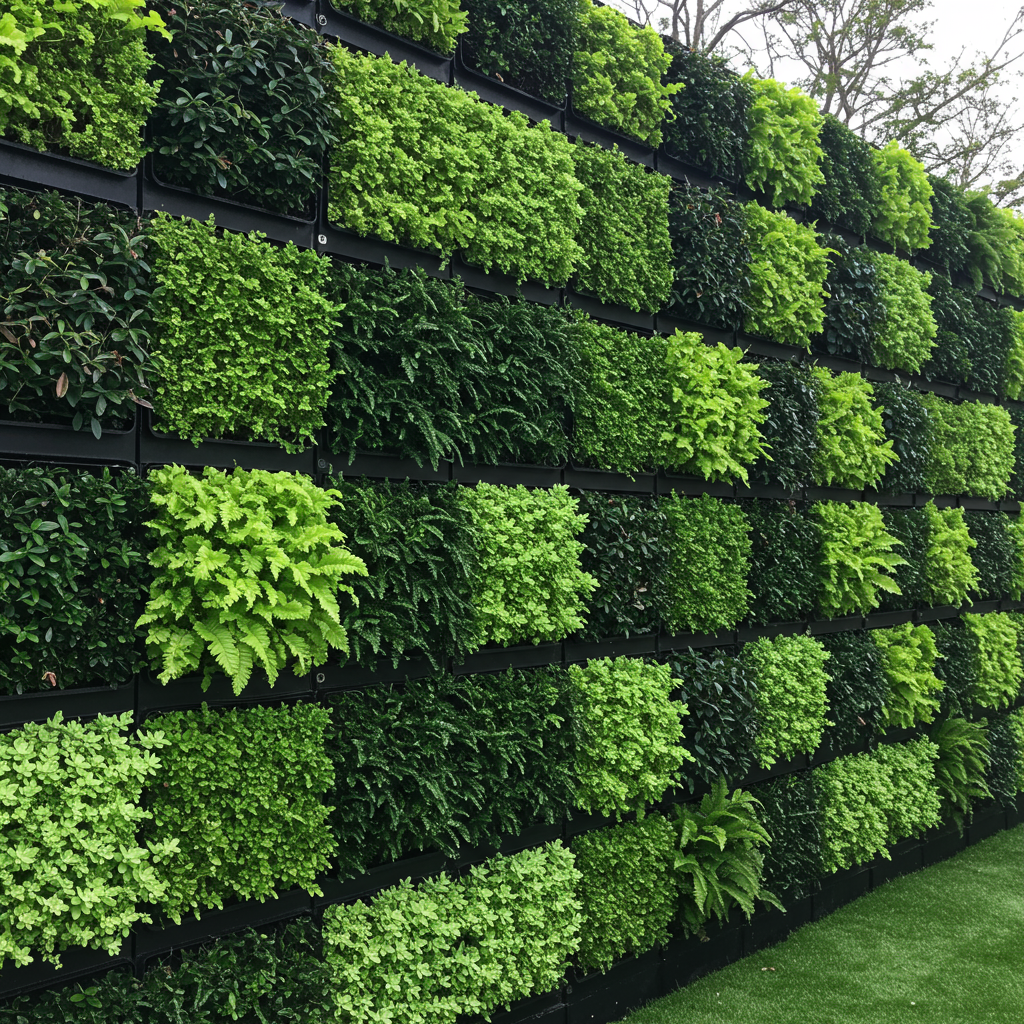
If you want the “wow” factor of a full living wall but don’t have the time or patience for a big DIY project, pre-made living wall panels are your best friend. These are modular panels, often made of recycled plastic, with built-in cells or pockets for plants.
They are designed to be incredibly user-friendly. You simply screw the panels directly onto your fence, fill the cells with potting soil, and pop in your plants. The cells are often angled slightly, which helps with water distribution and ensures the plants grow outwards, creating that lush, full look.
You can arrange a variety of plants in a pattern to create living art. Think of a checkerboard of dark green ferns and light green succulents, or waves of colorful flowers. While this is one of the more expensive options, the professional and instantaneous result is hard to beat.
8. Boho Macrame Hangers
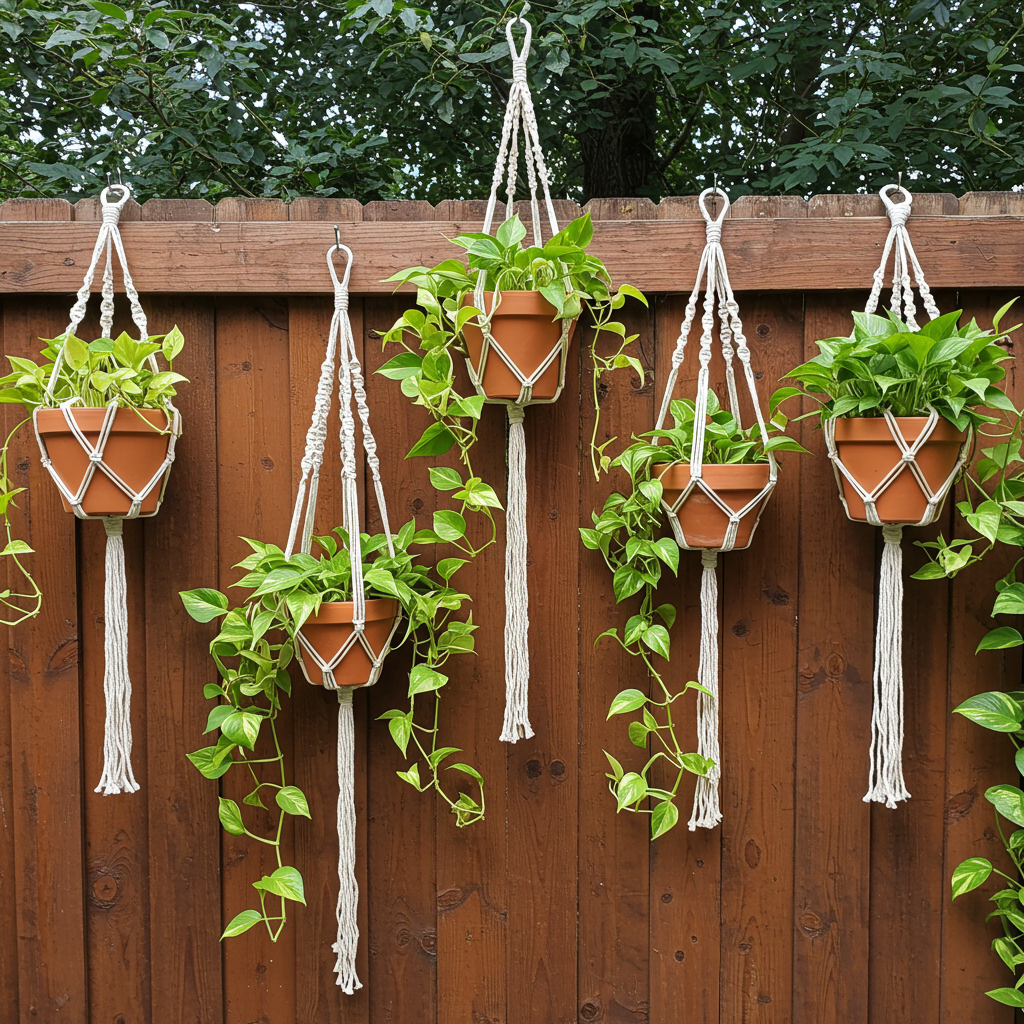
Bring the trendy, relaxed vibe of a bohemian living room into your backyard. Macrame plant hangers, with their intricate knots and natural fibers, add a soft, textural element that contrasts beautifully with a hard fence line.
You can buy macrame hangers or, if you’re feeling crafty, make your own! There are thousands of free tutorials online for simple knots. All you need is some macrame cord and a metal or wooden ring to start from.
Hang your finished macrame pieces from decorative brackets screwed into your fence. The key to the boho look is to vary the lengths of the hangers and the types of pots you use. Mix and match terracotta, ceramic, and even woven pots. This is the perfect way to display trailing plants like String of Pearls, Pothos, or English Ivy, letting their vines dangle and dance in the breeze.
9. Leaning Ladder Planter
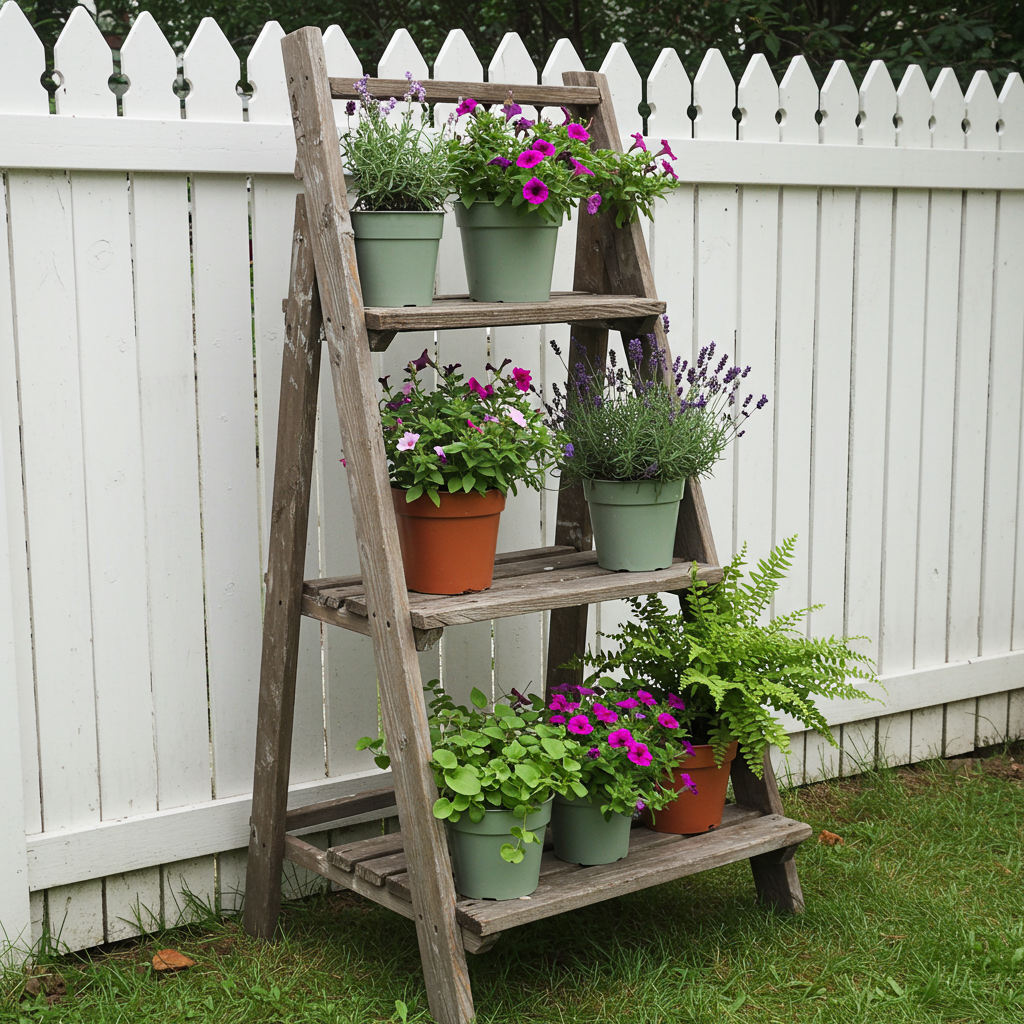
A ladder planter is a fantastic, non-permanent way to add tiered levels of greenery to your fence. You can buy them pre-made or easily build one yourself out of a few pieces of wood. It’s essentially a small, A-frame ladder where the rungs have been replaced with planter boxes.
The great thing about this idea is that it requires zero attachment to the fence itself. You simply lean it against the fence, and its own weight and structure hold it in place. This is another perfect option for renters or for anyone who likes to change up their garden layout frequently.
You can plant different things on each level. Maybe put sun-loving herbs on the top tier and more delicate, shade-tolerant flowers on the bottom tiers that get less direct light. It’s a self-contained garden that adds a ton of visual interest and dimension.
10. Colorful Recycled Tin Can Alley
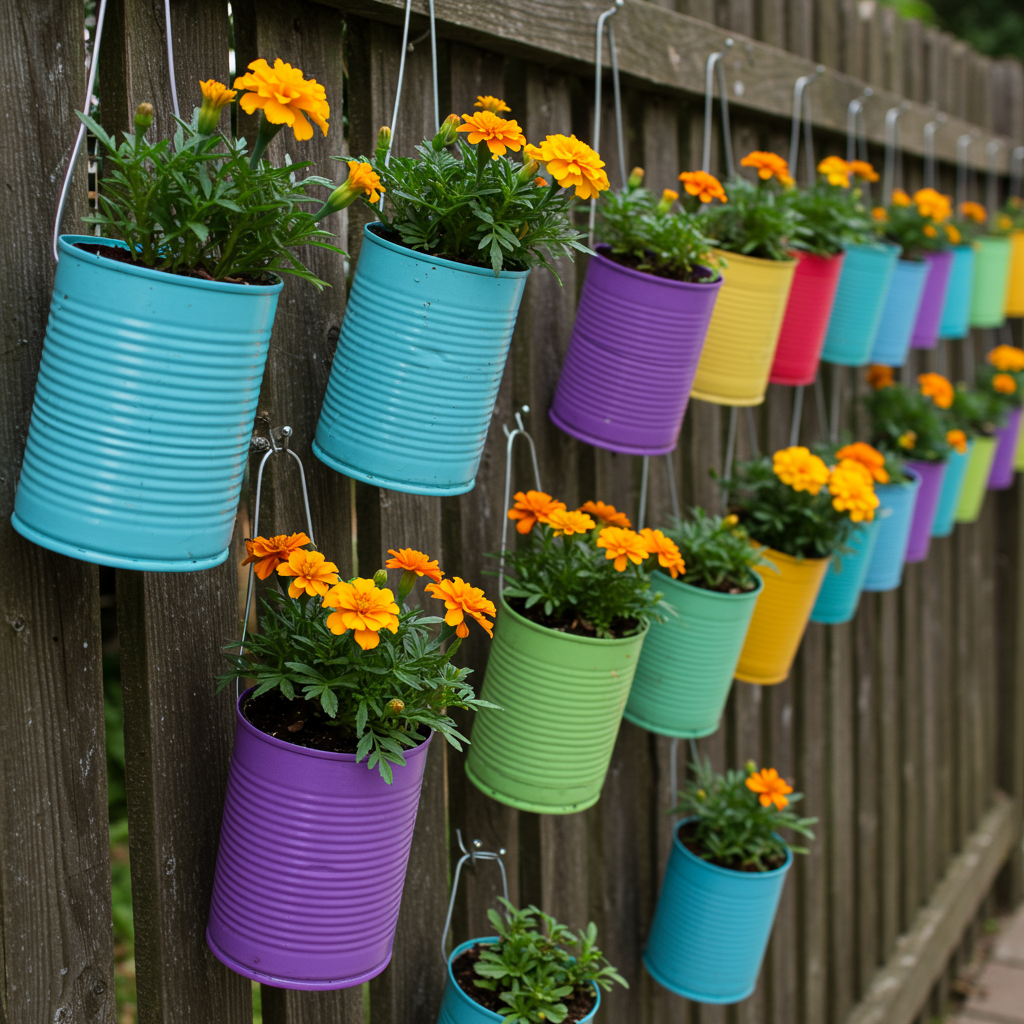
Don’t throw away those tin cans from your beans and tomatoes! With a little creativity, they can become adorable, colorful mini-planters. This is a super budget-friendly and eco-conscious way to garden.
First, make sure to thoroughly clean the cans and check for any sharp edges around the rim. Use a can opener that cuts the side of the can to avoid this. Then, punch a few holes in the bottom with a hammer and nail for drainage. This is the most important step for the health of your plants!
Now for the fun part: decorate them! You can spray paint them, wrap them in decorative paper or fabric, or even just leave them as-is for an industrial-chic look. Drill a hole in the side of the can near the top and hang it on a nail or screw on your fence. Plant small, colorful flowers like marigolds or pansies for a cheerful and quirky display.
11. The Tiered Hanging Basket Trio
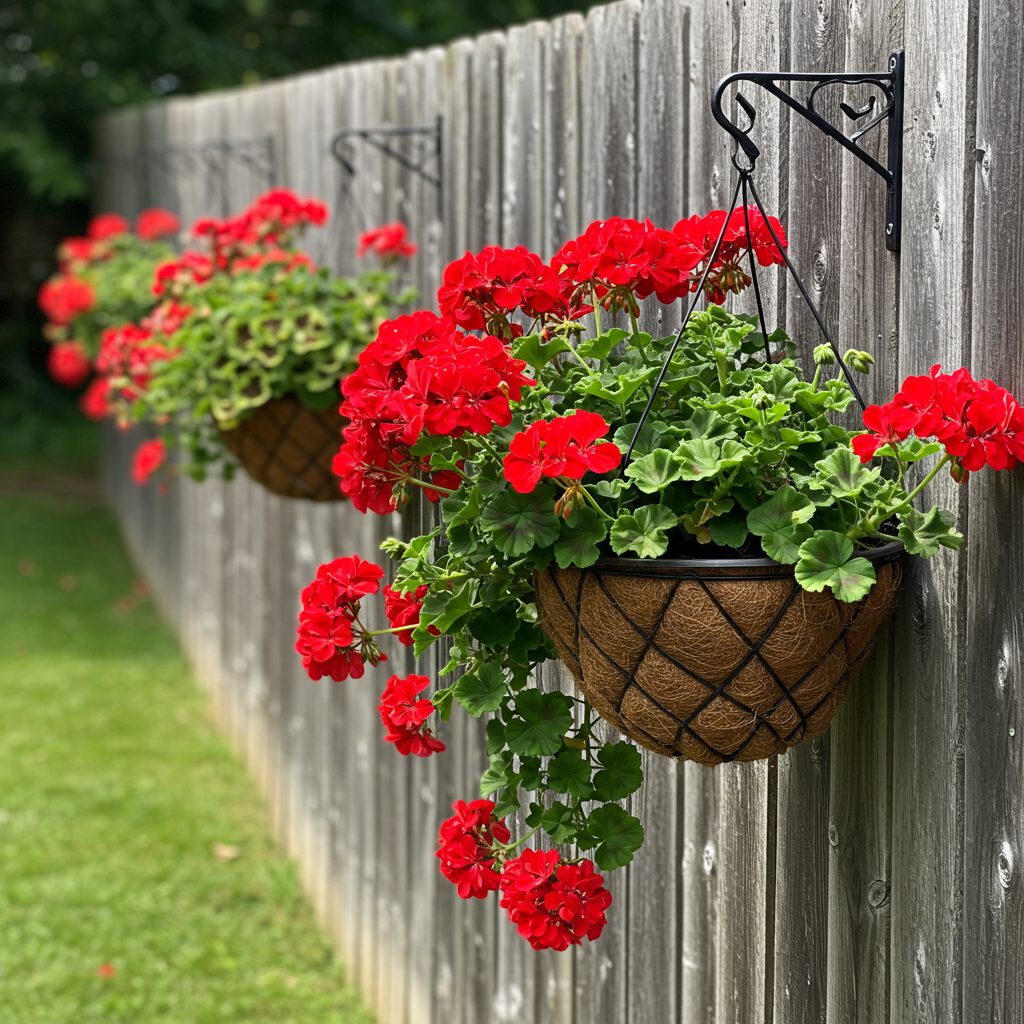
A single hanging basket is lovely, but a trio of them hung at staggered heights? That’s a statement. This classic look can be easily elevated by thinking in terms of layers and levels.
Instead of just one hook, install three decorative brackets on your fence. Place one high, one in the middle, and one lower down, creating a triangle shape. This arrangement draws the eye up and down, making the space feel larger and more dynamic.
Plant the same type of flower in all three baskets for a uniform, cohesive look (imagine three overflowing baskets of bright red geraniums!). Or, for a more eclectic style, use a “thriller, filler, spiller” formula in each basket but with different color schemes. The result is a lush, professional-looking display that’s full of life.
Quote to Ponder: “To plant a garden is to believe in tomorrow.” – Audrey Hepburn. Your fence garden is a daily dose of hope and beauty.
12. Window Box Charm
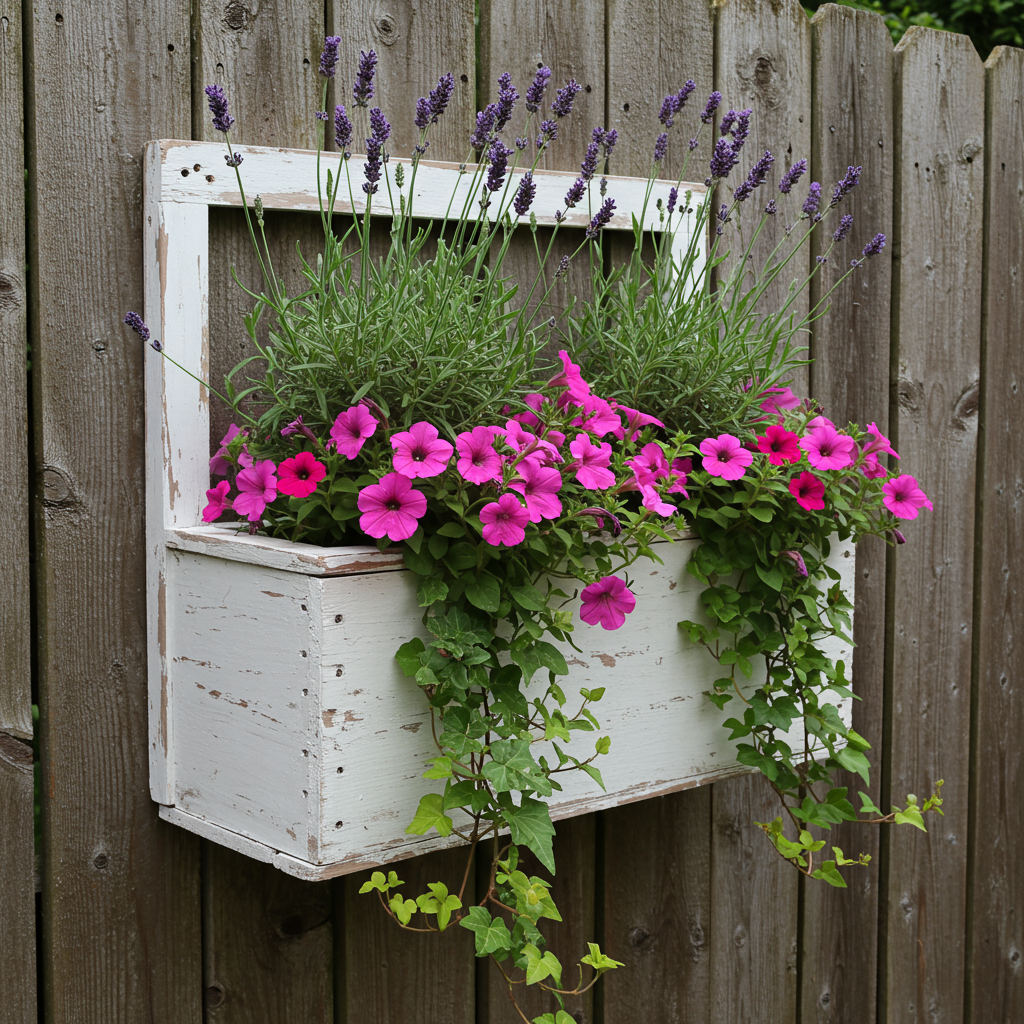
Who says window boxes are only for windows? Mounting a window box planter directly onto your fence provides a substantial amount of planting space and gives a charming, cottage-garden feel.
Window boxes come in a huge variety of materials, from classic wood to lightweight vinyl or durable fiberglass. You’ll need to use sturdy brackets to mount the box, as it will be quite heavy once filled with soil and water. Make sure your fence posts are solid and can handle the weight before you begin.
These long planters are perfect for creating a mini landscape. You can plant a row of upright flowers like zinnias in the back, a filler like coleus in the middle, and a trailing plant like sweet potato vine to spill over the front edge. It’s a complete garden in one container.
13. Chain Link Fence Solutions
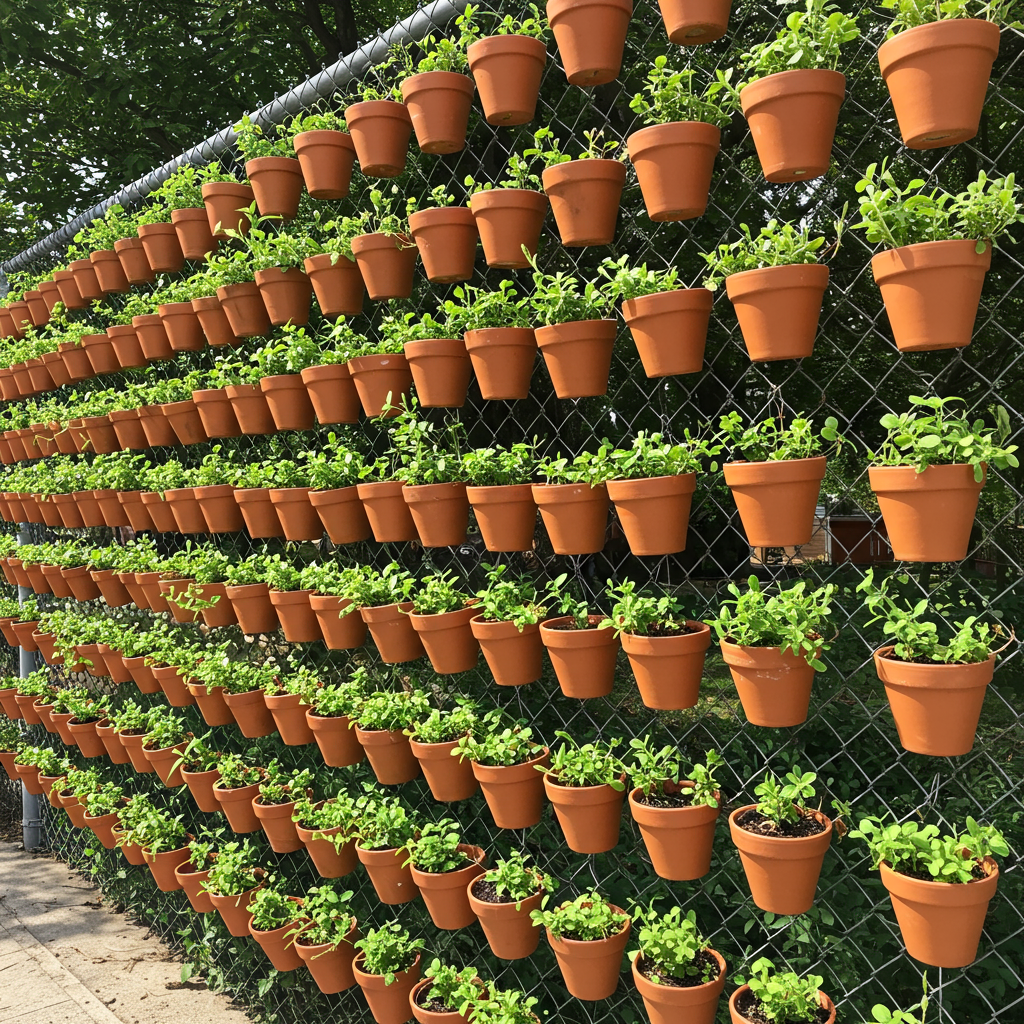
A chain-link fence can feel cold and industrial, but it’s actually one of the easiest fences to hang plants on! The open diamond pattern provides endless attachment points without any need for drilling.
Look for specialty planters designed for chain link or railings. These often have hooks or clips built right in that snap securely onto the wire. You can also use simple S-hooks to hang standard pots or baskets.
A fantastic strategy for a chain-link fence is to cover as much of it as possible. Hang dozens of small pots filled with fast-growing, bushy plants. You can also attach a wire grid or trellis to the fence and train a fast-growing vine like Morning Glory to cover it completely, turning that metal eyesore into a wall of green.
14. Vertical Fabric Pocket Planters
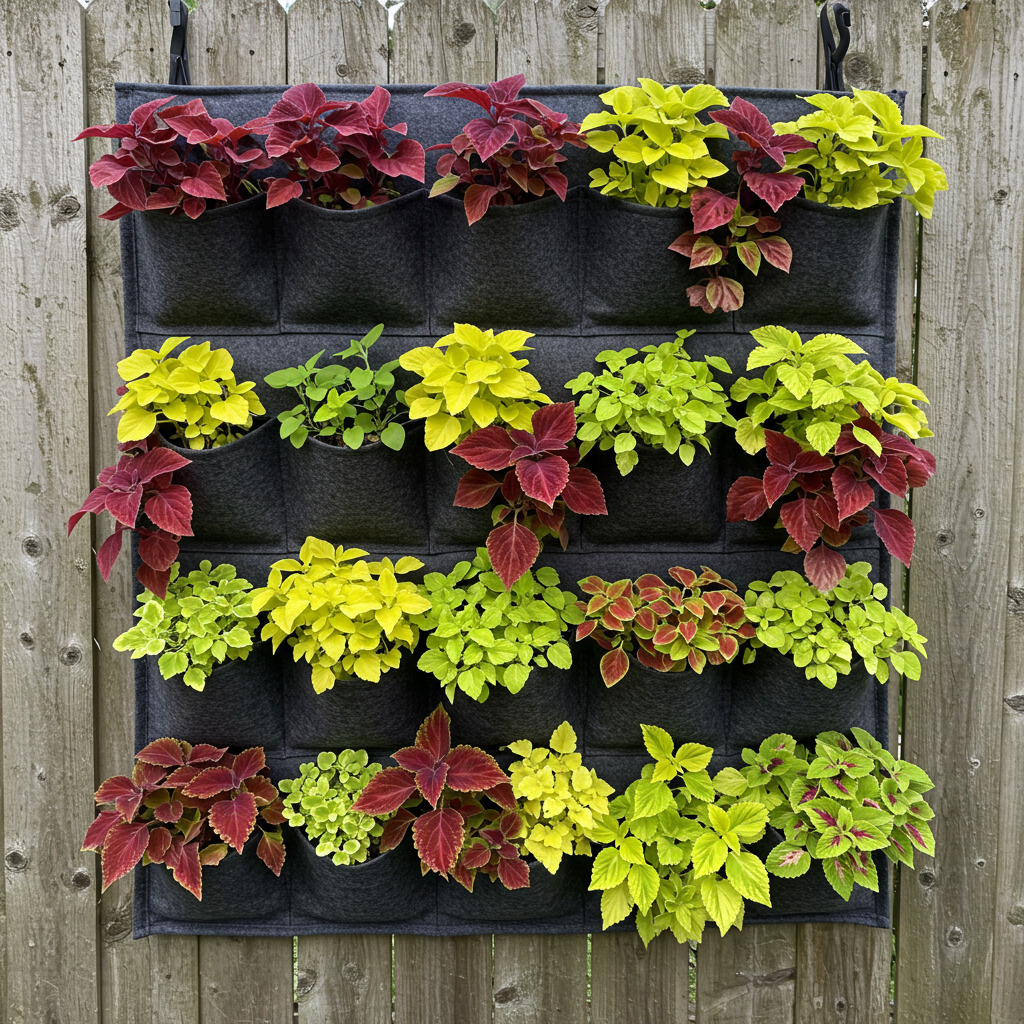
Similar to the shoe organizer idea but often more durable and designed specifically for gardening, fabric pocket planters are a fantastic choice. They are made from a thick, felt-like material (often recycled plastic bottles) that retains moisture well but also allows for excellent aeration of the roots.
These come in various sizes, from small panels with just a few pockets to massive ones that can cover a large section of your fence. They usually have reinforced metal grommets, making them easy to hang from hooks or screws.
Because they hold moisture so well, they are a great choice for thirsty plants. However, this also means they can get very heavy. Ensure your fence and your hanging hardware are up to the task. Create a stunning mosaic effect by planting different colored succulents or coleus in each pocket.
15. DIY Cedar Planter Boxes
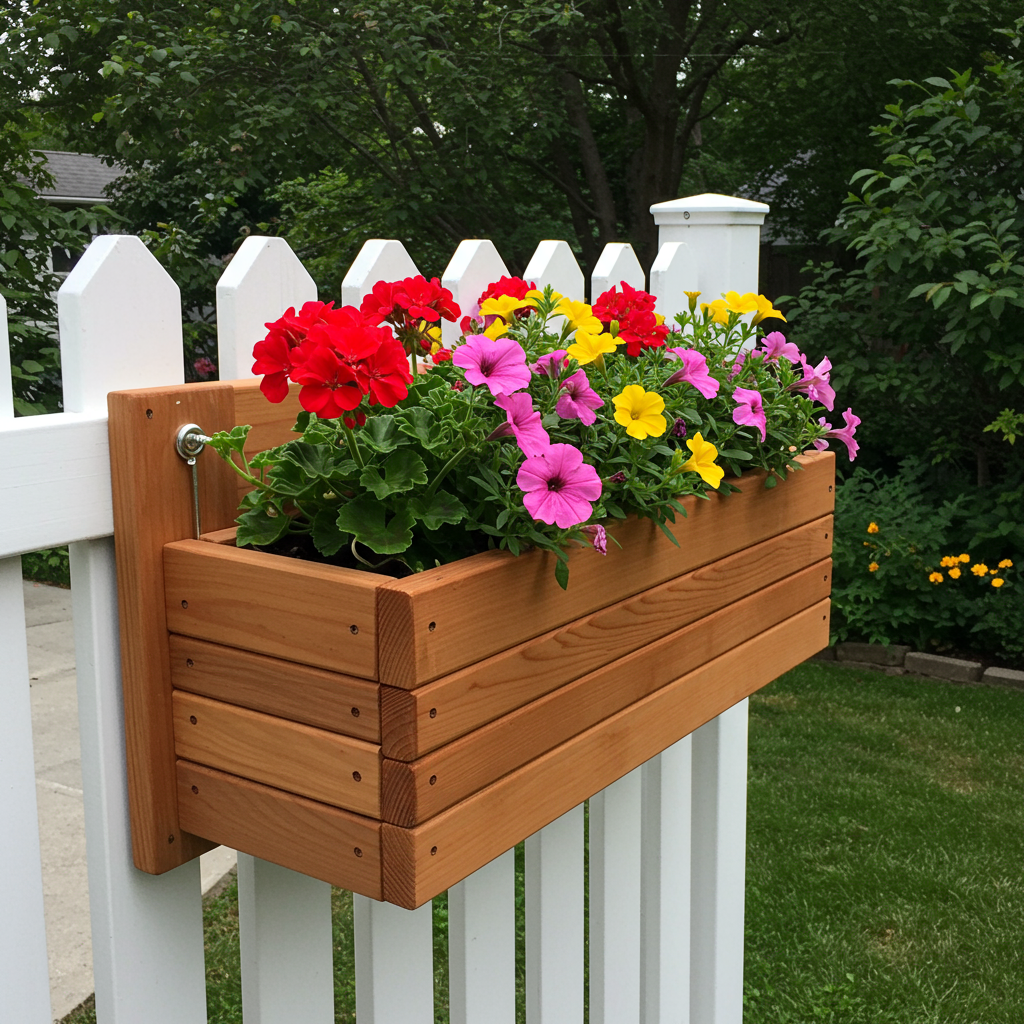
If you’re handy with a saw and a drill, building your own custom hanging planter boxes is an incredibly rewarding project. Cedar is the perfect wood to use because it is naturally resistant to rot and insects, meaning your planters will last for years.
You can design the boxes to be any size or shape you want, perfectly tailored to your fence and your vision. A simple rectangular box is easy to build, and you can add a French cleat system to the back for easy hanging. A French cleat is a pair of interlocking 45-degree angled boards, one on the fence and one on the box, that allows you to lift the boxes on and off with ease.
Lining your homemade wooden boxes with a plastic liner (with drainage holes poked in it) will extend their life even further. This prevents the wet soil from being in constant contact with the wood. This is a high-end, custom look that will make your fence garden truly one-of-a-kind.
FAQ: Your Fence Garden Questions Answered!
Here are some common questions people have when starting their fence garden journey.
1. How do I hang plants on a fence without drilling holes?
You have lots of great options! Use “over-the-fence” hooks that simply slide over the top of the fence panels. For lighter pots, you can use high-strength, outdoor-rated adhesive hooks. Leaning a ladder planter against the fence or using planters with built-in legs are also fantastic no-drill solutions.
2. What are the best low-maintenance hanging plants for a fence?
Look for drought-tolerant plants. Succulents like sedum, string of pearls, and echeveria are champions of neglect. For flowers, portulaca (moss rose) and verbena can handle heat and less frequent watering. For greenery, vinca vine is tough as nails and looks great.
3. How much weight can my fence hold?
This is super important! A well-built, newer wooden fence with sturdy posts can hold a significant amount of weight, but an older or weaker fence can’t. As a rule of thumb, always try to attach heavier items (like large window boxes) to the fence posts, not the fence panels, as the posts are the main structural support. For vinyl fences, check the manufacturer’s guidelines, as they can be more susceptible to damage from weight. When in doubt, go with several smaller, lighter pots instead of one huge one.
4. How do I water hanging plants on a fence without making a mess?
Water slowly and deeply in the morning. Use a watering can with a long spout to direct the water right to the soil, not the leaves. For a high-tech solution, you can install a drip irrigation system with small emitters in each pot, which can be hooked up to a hose and a timer. This is the most efficient and mess-free way to water.
5. How can I protect my wooden fence from water damage?
This is a key concern. The best way is to create a small air gap between your planter and the fence. Using brackets that hold the pot a few inches away from the wood is ideal. If you’re hanging something directly on the fence, like a pallet planter, you can staple a sheet of heavy-duty plastic to the back of the planter before hanging it to act as a moisture barrier. Regularly applying a good quality sealant to your fence will also provide excellent protection.
Conclusion: Your Fence is More Than a Boundary
We’ve explored a ton of ways to turn a boring fence into a vibrant, living wall of beauty. From simple hooks to elaborate DIY projects, there’s a solution for every skill level, budget, and style. But the real takeaway is this: your fence doesn’t have to be just a line that separates your property from your neighbor’s. Think of it as another “wall” of your outdoor living room.
As you plan your fence garden, don’t just think about the summer. Consider the whole year. Mix in some small evergreen plants like dwarf conifers or English ivy that will provide a bit of green structure even in the winter.
Add some ornamental brackets or metal art in between your planters. By treating your fence as a year-round design feature, you create an outdoor space that is truly an extension of your home, offering joy and beauty in every season. Now go on, grab some pots and start creating!