21 White Hanging Plants That Make Your Space Look Fancy
If you’re looking to elevate your home with a touch of elegance and fresh air, you’ve landed in the right spot. We’re diving deep into the world of white hanging plants, the absolute superstars of interior design right now. These aren’t just your average houseplants; they are living works of art that bring brightness, texture, and a clean, modern vibe to any room, dangling gracefully from above.
The magic of these plants lies in their variegation—a fancy word for when leaves have different colors. In this case, we’re talking about stunning splashes, speckles, and swathes of creamy white, silver, or pale green against a darker background. This contrast is what makes them pop, turning a simple corner into a breathtaking feature. But beyond their good looks, these green-and-white beauties are also a ticket to a healthier, happier home.
A study published in the Journal of Physiological Anthropology found that interacting with indoor plants can reduce psychological and physiological stress. Participants who worked with plants saw a significant drop in their blood pressure and reported feeling more comfortable and soothed.
So, not only do they look fabulous, but they also have the science-backed power to make you feel good. Choosing the right one, however, can be tricky. Some are easy-going pals perfect for beginners, while others are divas that demand a bit more attention. To help you pick your perfect match, here’s a quick-glance table of some popular choices.
Quick Guide to Popular White Hanging Plants
| Plant Name | Light Needs | Water Needs | Pet Friendly? |
|---|---|---|---|
| Marble Queen Pothos | Bright, indirect | Let top inch dry | No |
| Pothos N’Joy | Bright, indirect | Let top 2 inches dry | No |
| Variegated String of Hearts | Bright, indirect | Let soil dry out fully | Yes |
| Hoya ‘Krimson Queen’ | Bright, direct or indirect | Let soil dry out fully | Yes |
| Scindapsus Pictus ‘Exotica’ | Medium to bright, indirect | Let top inch dry | No |
| Tradescantia Nanouk | Bright, indirect | Keep soil moist | No |
| Calathea White Fusion | Medium, indirect | Keep soil moist | Yes |
Ready to find the plant that will transform your space from drab to fab? Let’s explore some of the most beautiful white hanging plants out there.
1. Epipremnum Aureum ‘Marble Queen’ (Marble Queen Pothos)
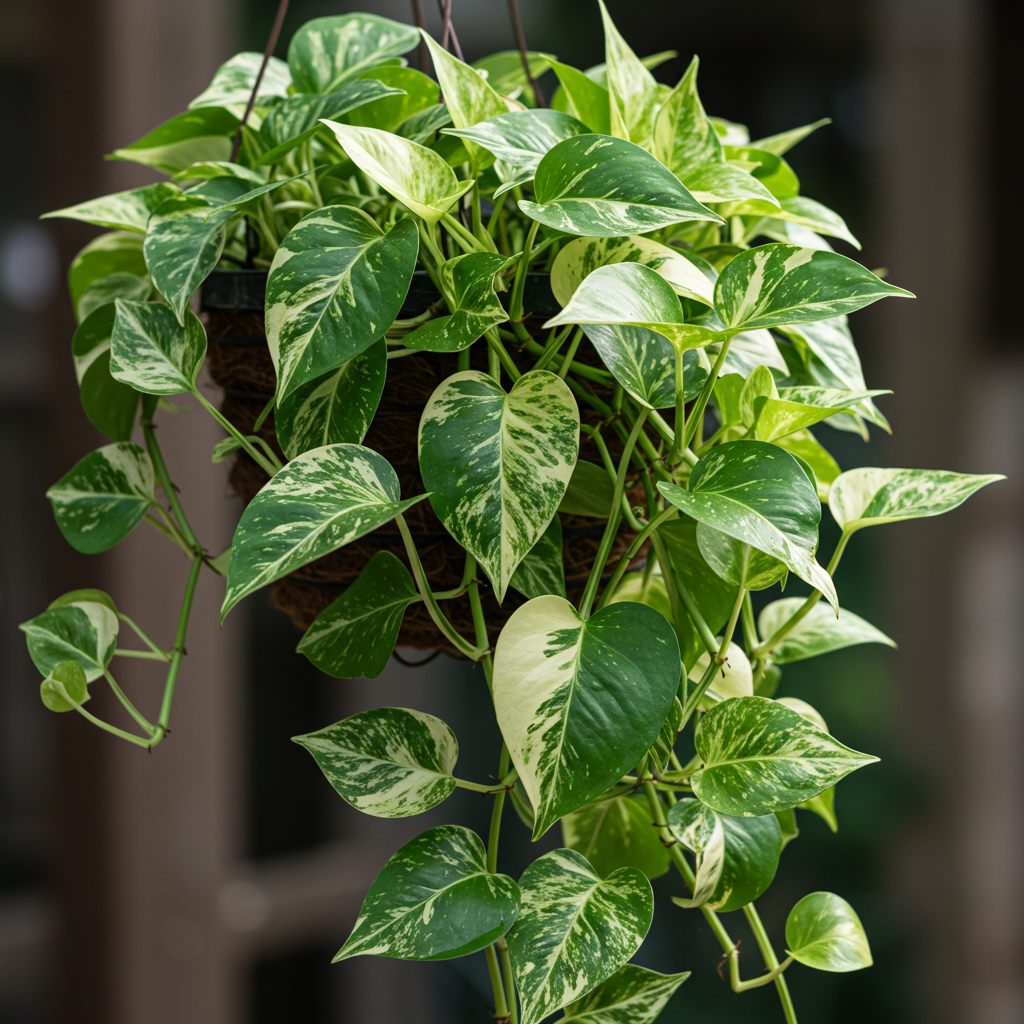
The Marble Queen Pothos is royalty for a reason. She is, without a doubt, one of the most popular and recognized variegated hanging plants, and her beauty is absolutely timeless. Each heart-shaped leaf is a unique canvas, heavily splashed and streaked with creamy white, looking as if an artist flicked a paintbrush across it.
This plant is incredibly forgiving, making it a perfect starting point for anyone new to the world of houseplants. It grows long, lush vines that can easily reach 10 feet or more indoors, creating a stunning cascade of speckled foliage. The more light you give it, the more white variegation you’ll see, but be careful to avoid direct, scorching sun which can burn its lovely leaves.
Caring for a Marble Queen is a breeze. Just water it when the top inch of soil feels dry to the touch and plant it in a standard, well-draining potting mix. It’s a plant that tells you what it needs; if the leaves start to droop, it’s thirsty!
Pro Tip: To keep your Marble Queen looking full and bushy rather than long and leggy, don’t be afraid to prune it. Simply snip a few vines back every few months. Bonus—you can easily propagate the cuttings in water to make more plants!
2. Epipremnum Aureum ‘N’Joy’ (Pothos N’Joy)
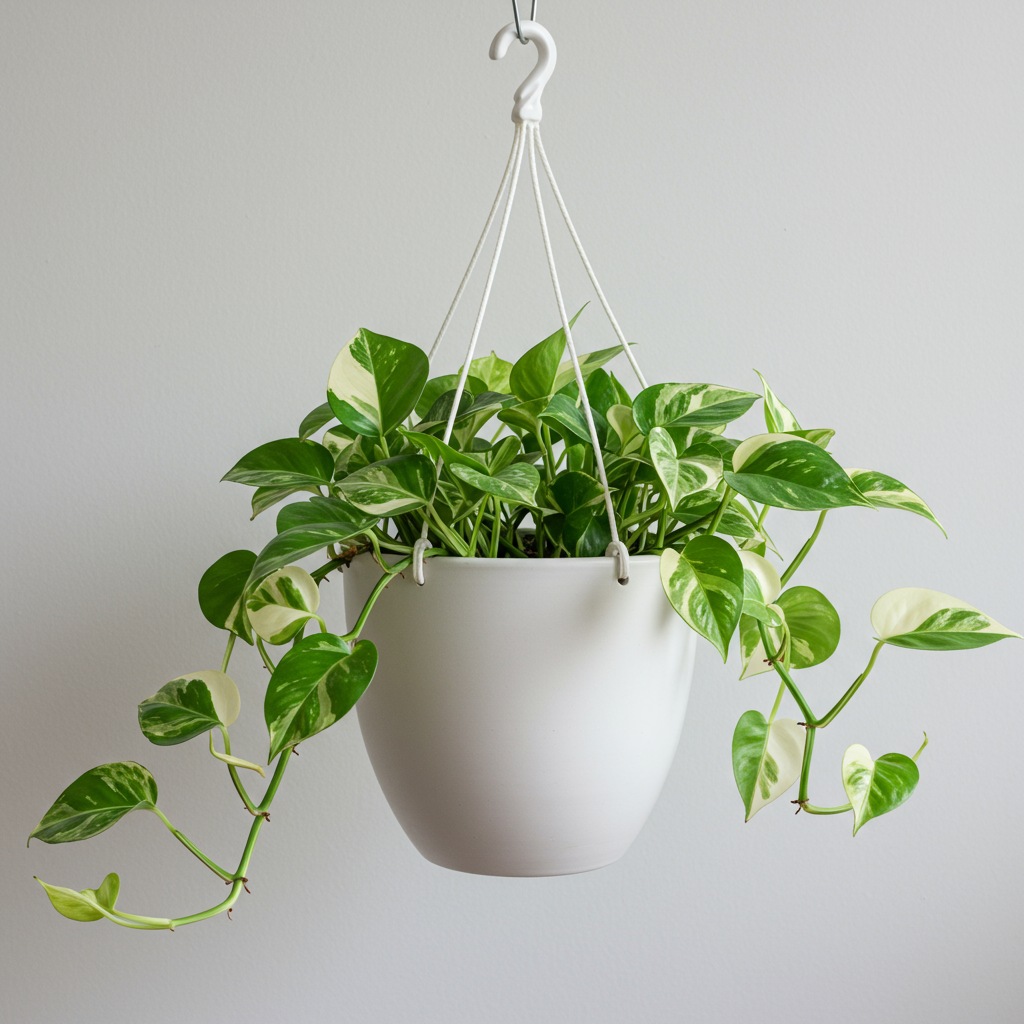
Meet the chic and tidy cousin of the Marble Queen: the Pothos N’Joy. This variety is a more recent addition to the pothos family, but it has quickly won hearts with its distinct and clean variegation. Unlike the speckled look of the Marble Queen, the N’Joy features large, defined patches of pure white, primarily on the edges of its smaller, crinkly leaves.
The N’Joy has a more compact and slower growth habit, making it ideal for smaller spaces or for those who want a neat, controlled look. It looks absolutely stunning in a minimalist white or ceramic hanger where its crisp foliage can take center stage. This is the plant you choose when you want a sophisticated, modern aesthetic.
Care-wise, it’s very similar to other pothos varieties but with one key difference: it’s less tolerant of low light. The large white sections on its leaves have less chlorophyll, which is what plants use to make food from sunlight. To keep that beautiful white bright, you must place it in a spot with consistent, bright, indirect light.
3. Epipremnum Aureum ‘Pearls and Jade’ (Pothos Pearls and Jade)
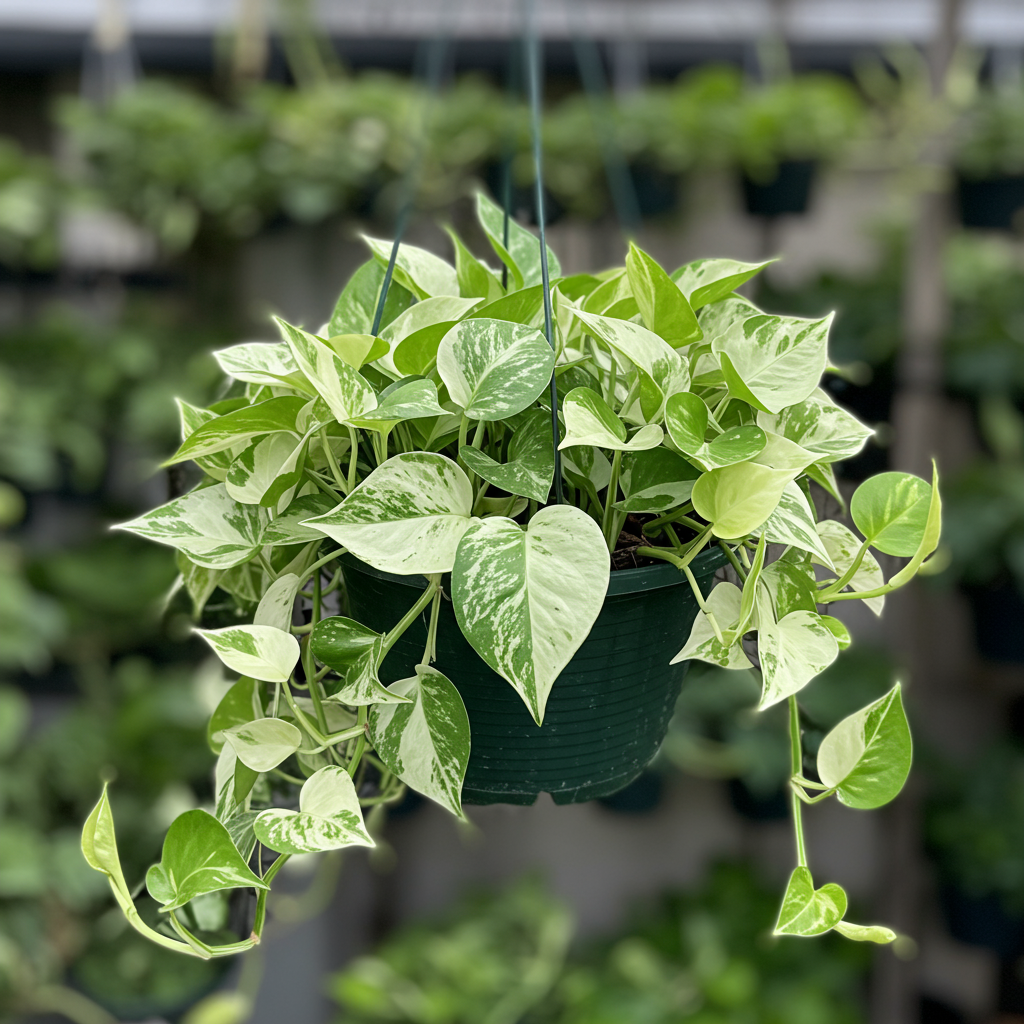
If you can’t decide between the speckled Marble Queen and the blotchy N’Joy, then the Pearls and Jade Pothos might be your soulmate. This gorgeous plant offers the best of both worlds! Its leaves are variegated with areas of white and a unique silvery-gray, but they also have charming green-on-green speckles within the white sections.
Developed by the University of Florida, this patented variety is known for its resilience and beauty. The leaves are generally smaller than a Marble Queen’s, and the growth is full and bushy, making for a very dense-looking hanging basket. It’s a plant with a ton of personality and texture.
Like its pothos relatives, it’s a low-maintenance superstar. It thrives on a bit of neglect, so don’t overwater it! Let the soil dry out a bit between waterings and provide it with plenty of bright, indirect sunlight to maintain its complex and beautiful variegation.
4. Scindapsus Pictus ‘Exotica’ (Silver Pothos)
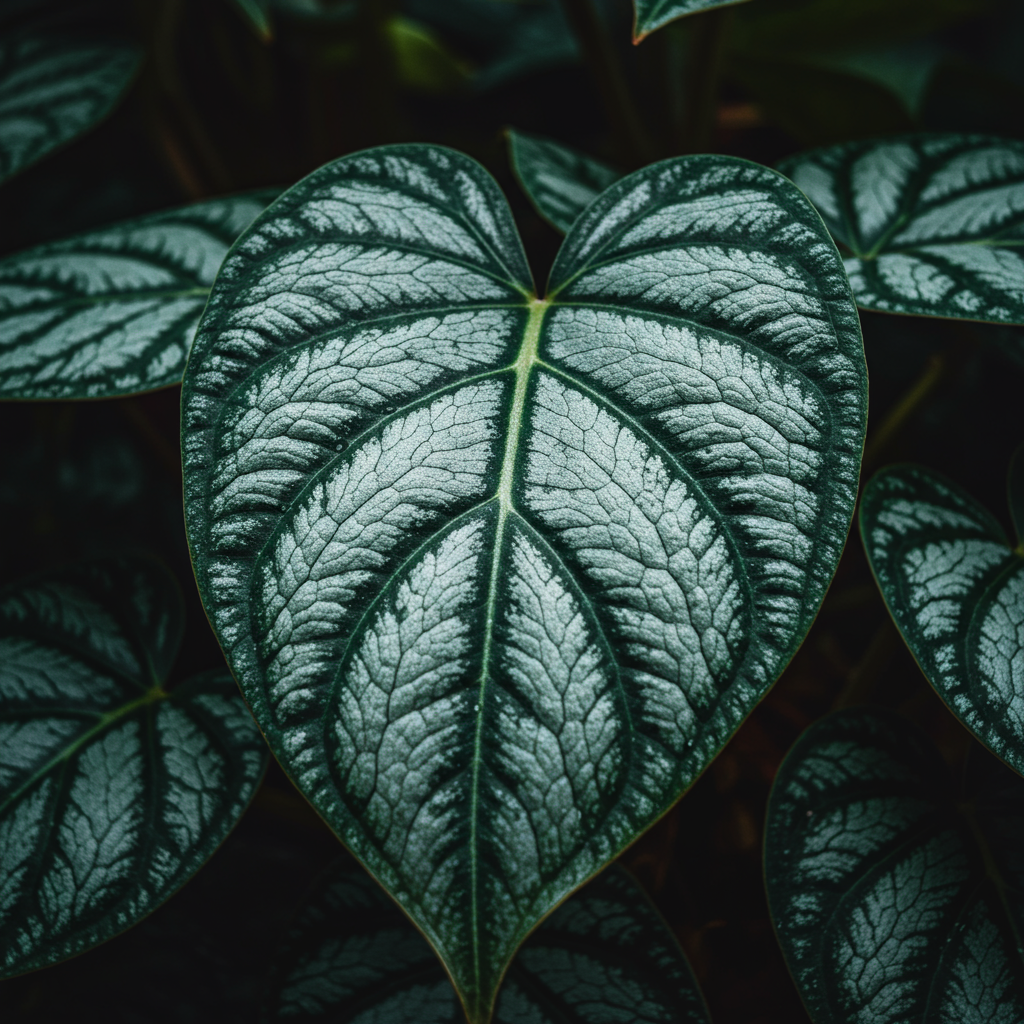
Okay, so “Silver Pothos” is a bit of a misnomer because it’s not a Pothos (Epipremnum) at all! It’s actually a Scindapsus, but its care and trailing habit are so similar that it gets lumped in with the family. The ‘Exotica’ variety is particularly breathtaking, with large, dark green, velvety leaves covered in massive splashes of silvery-white.
The texture of this plant is where it truly shines. The leaves have a soft, matte finish that feels as luxurious as it looks. The silver markings shimmer in the light, creating a celestial, almost magical effect that is guaranteed to draw compliments.
This plant is a fantastic communicator. When it’s thirsty, its leaves will curl inwards slightly—a clear and unmistakable signal to give it a drink. It prefers its soil to be kept lightly moist but is prone to root rot if left sitting in water, so a pot with good drainage is a must.
5. Tradescantia Nanouk (Fantasy Venice)
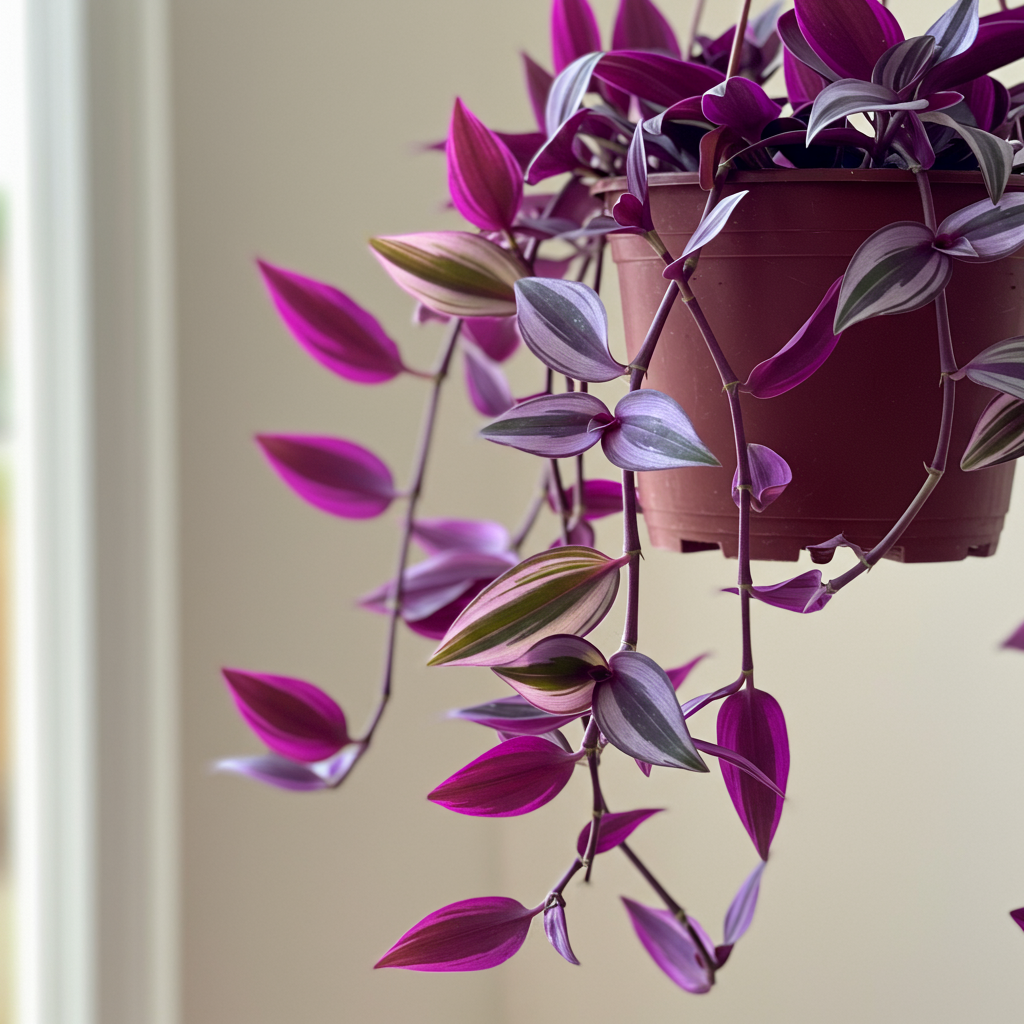
Get ready for a serious pop of color! The Tradescantia Nanouk is a showstopper that brings not just white, but also vibrant shades of pink and purple to the party. Its leaves are striped with green, creamy white, and brilliant magenta, while the undersides of the leaves are a solid, vivid purple.
This plant was specifically cultivated to be vigorous, colorful, and easy to care for. It grows quickly and produces lush, trailing stems that are surprisingly robust. To keep its colors at their most vibrant, the Nanouk needs a lot of bright, indirect light. A spot near an east-facing window where it can get some gentle morning sun is often perfect.
One thing to note is that Tradescantia can sometimes get a bit “leggy,” with long, bare stems. To prevent this, pinch back the tips of the vines regularly. This encourages the plant to branch out, resulting in a much fuller and more attractive hanging basket.
6. Hoya Carnosa ‘Krimson Queen’
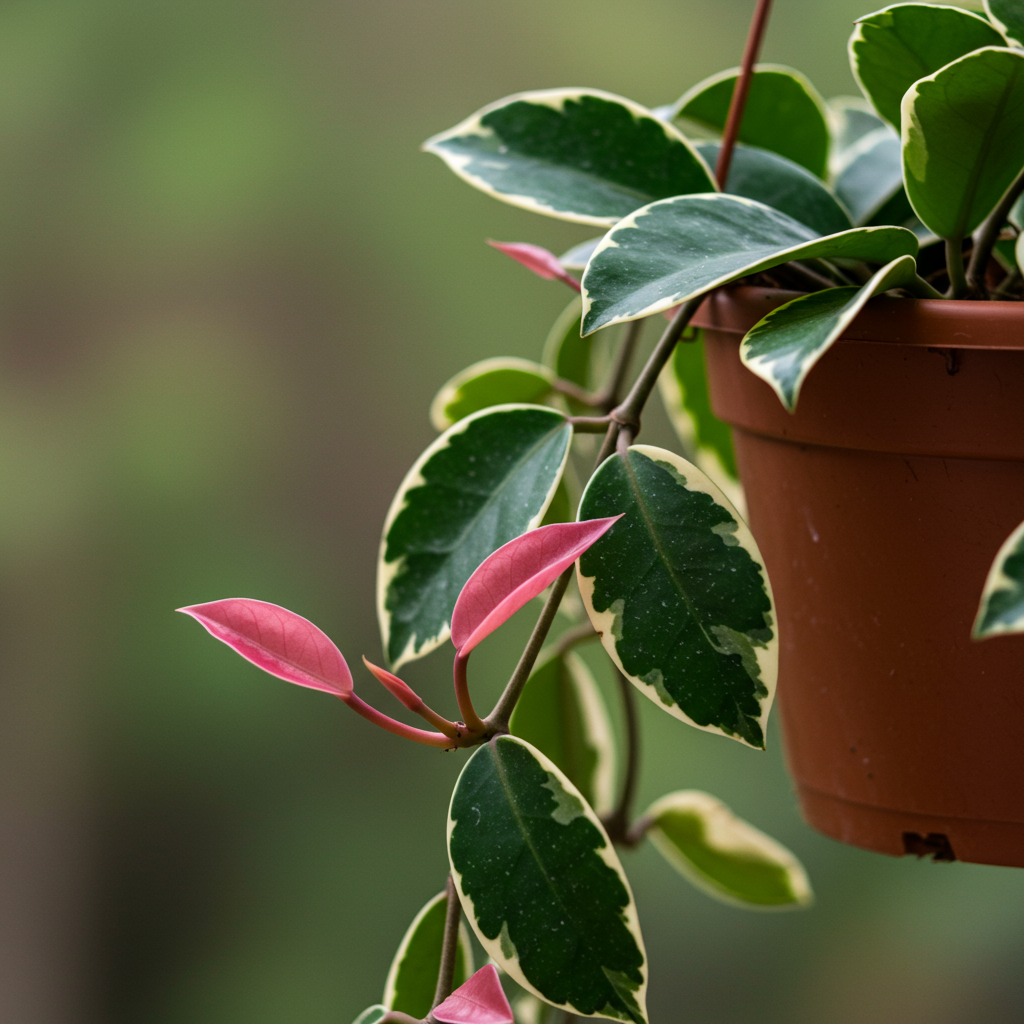
The Hoya Krimson Queen is a truly regal plant. Its thick, waxy leaves grow along long, winding vines and feature gorgeous variegation. New leaves often emerge in a brilliant shade of pink before maturing into a deep green with creamy white or pale yellow borders.
But the real treat? The flowers! A happy and mature Hoya will produce clusters of star-shaped, porcelain-like blossoms that are incredibly fragrant, especially in the evening. They smell like a sweet mix of chocolate and vanilla, a delightful surprise for any plant owner.
Hoyas are succulents, which means they store water in their leaves and are very drought-tolerant. This is not a plant you want to overwater. Let the soil dry out completely between waterings, and when in doubt, wait another day. They love to be snug in their pots, so don’t be in a hurry to repot them.
7. Variegated String of Hearts (Ceropegia woodii ‘Variegata’)
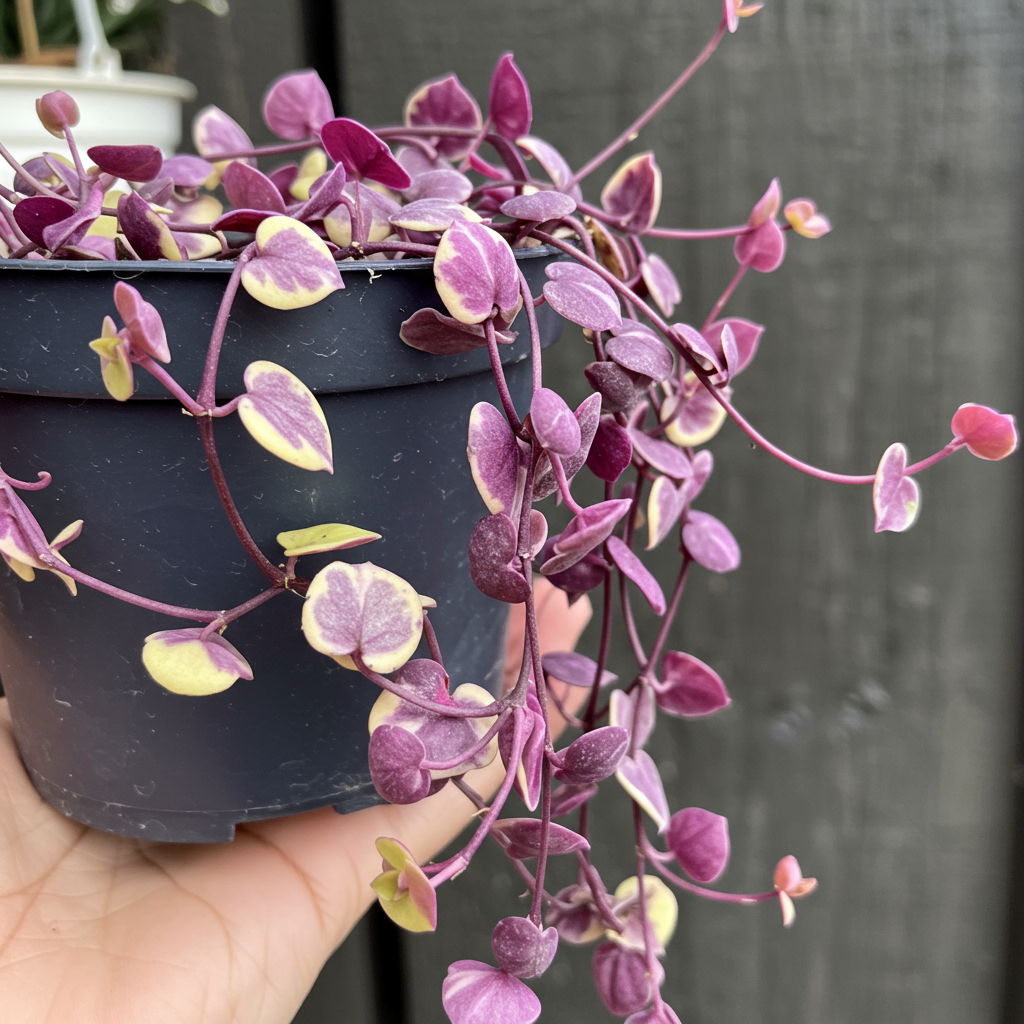
For a touch of delicate, romantic whimsy, nothing beats the Variegated String of Hearts. This plant produces long, thin, purple-tinged stems adorned with pairs of tiny, heart-shaped leaves. The variegated version takes it up a notch, with leaves edged in cream and soft pink.
When this plant is “sun-stressed”—meaning it gets plenty of direct sun—the pink and purple hues become much more intense, creating a stunning visual. It’s the perfect plant for a sunny windowsill where its long, trailing strings can hang freely. It looks especially beautiful against a dark wall where its delicate features can truly stand out.
As a semi-succulent, its care is straightforward. It has small, potato-like tubers under the soil that store water, so it’s essential to let the soil dry out completely before watering again. It’s a plant that thrives when you mostly forget about it.
8. Variegated String of Pearls (Senecio rowleyanus ‘Variegata’)
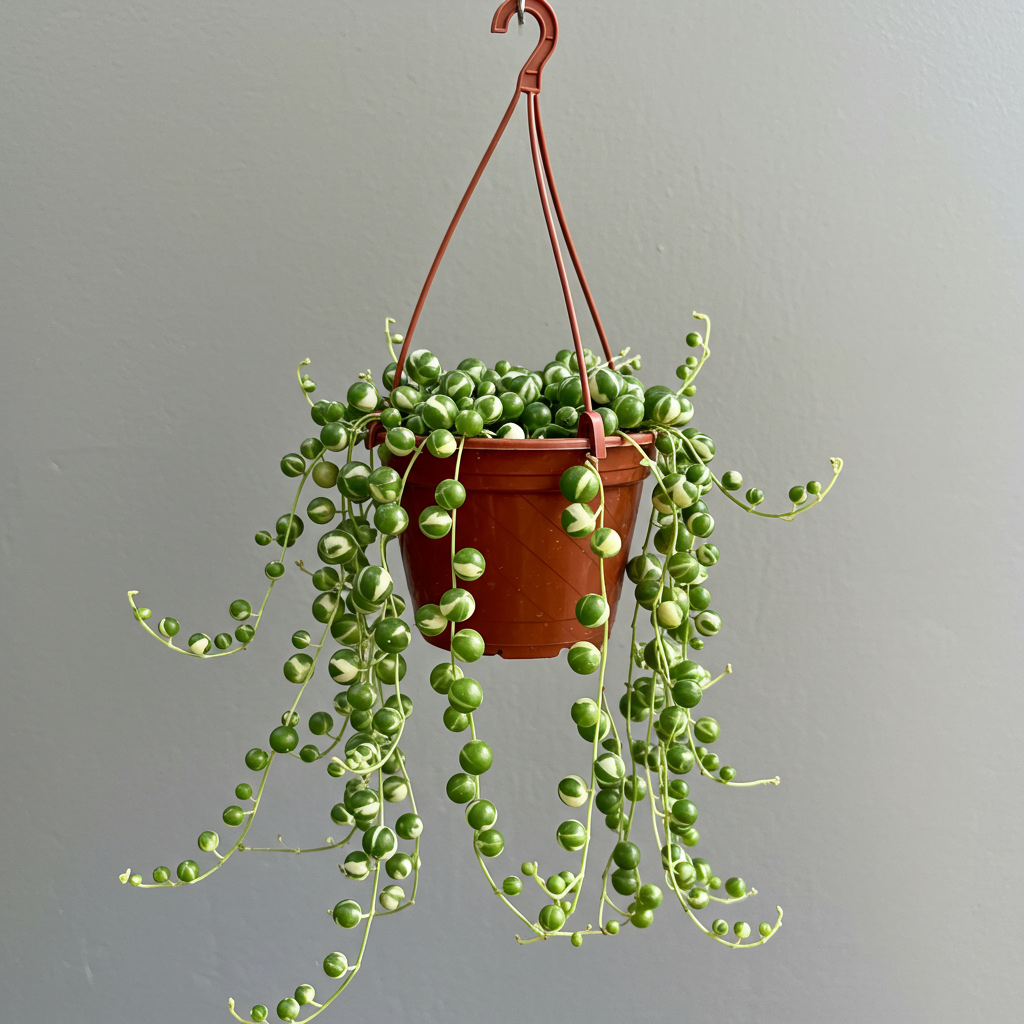
This is another trailing succulent that brings a unique and captivating look to any space. Instead of heart-shaped leaves, this plant has small, round leaves that look exactly like little green and white pearls or peas strung along a delicate stem. The variegation appears as patches and stripes of creamy white on the “pearls.”
The String of Pearls is a bit of a conversation starter due to its unusual appearance. It’s perfect for adding a pop of texture and intrigue. It looks fantastic in a shallow hanging pot that allows its strings to spill over the sides like a waterfall.
The key to keeping this plant happy is twofold: tons of light and careful watering. The top of the plant, where the stems meet the soil, needs to get direct light to thrive. And because its stems and leaves are so full of water, it is extremely susceptible to rot if overwatered. Water thoroughly only when the soil is bone dry.
9. Philodendron ‘Birkin’
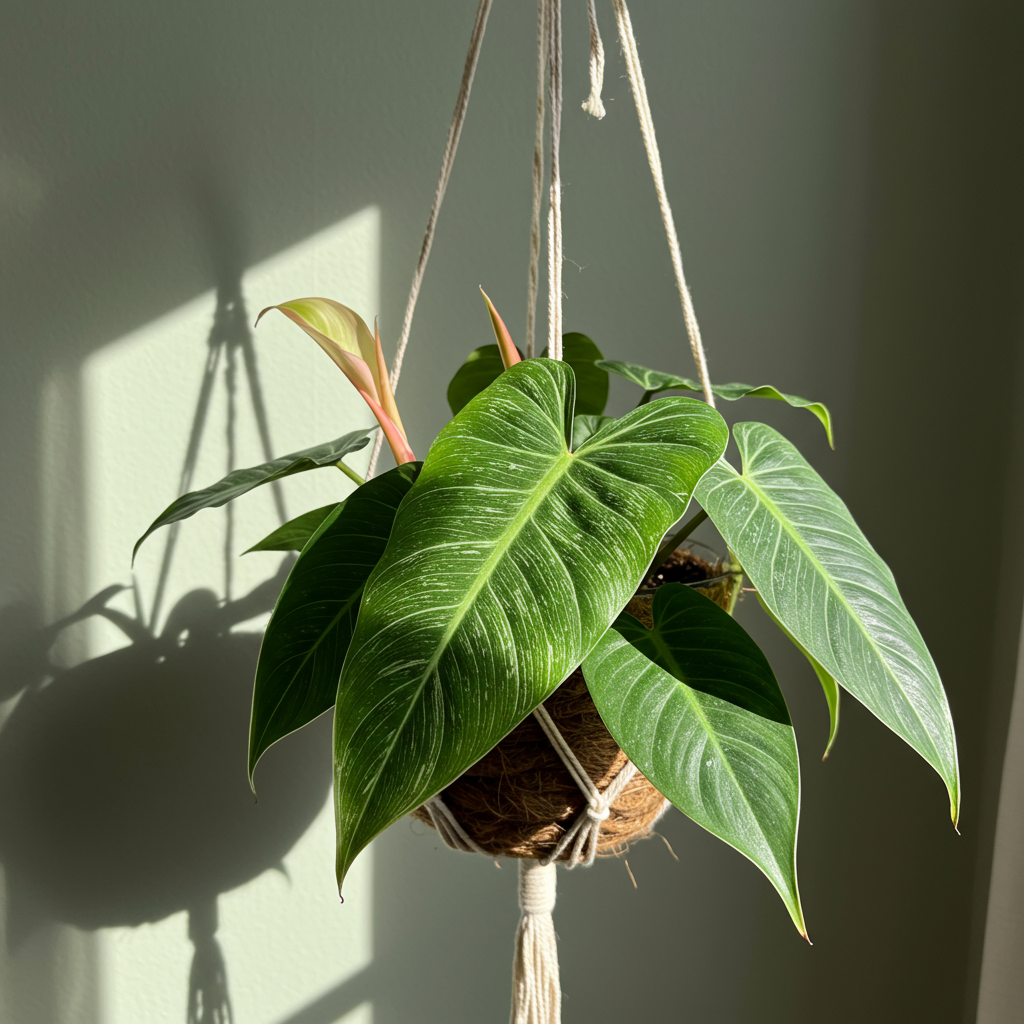
While not traditionally a hanging plant, the Philodendron Birkin can develop a trailing habit as it matures, making it a fantastic and stylish candidate for a hanging basket. Its claim to fame is its stunning foliage. New leaves emerge almost pure white or yellow and gradually mature into a deep, glossy green with fine, creamy-white pinstripes.
The variegation is unstable, which is part of the fun—no two leaves are ever the same! You might get a leaf that’s half-white, one with just a few stripes, or one that’s a perfect pinstriped masterpiece. This unpredictability makes it an exciting plant to watch grow.
To get the best variegation, provide your Birkin with lots of bright, indirect light. In lower light, the leaves will revert to solid green. It enjoys consistently moist soil but doesn’t like to be soggy, so a chunky, well-aerating soil mix is ideal.
10. Syngonium podophyllum ‘Albo Variegatum’ (Variegated Arrowhead)
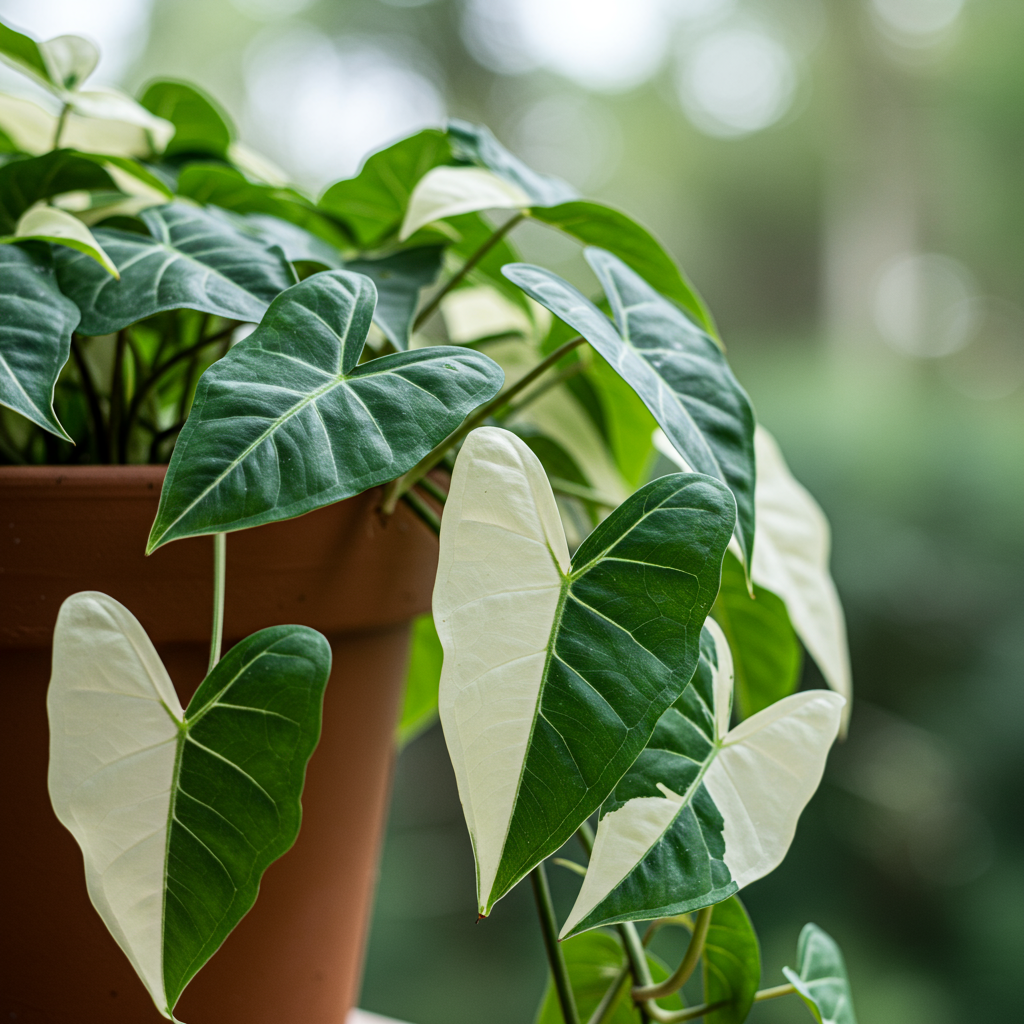
The Variegated Arrowhead Plant is a collector’s dream that has become more accessible in recent years. It features beautiful arrow-shaped leaves with dramatic blocks and splashes of pure white. A highly variegated specimen is a true work of art, with some leaves being almost entirely white.
This plant has two distinct growth stages. In its juvenile form, it has an upright, bushy habit. As it matures, it begins to vine, making it a perfect candidate for a hanging planter where its gorgeous foliage can trail downwards.
It’s a relatively easy-going plant that appreciates bright, indirect light and high humidity. If the air in your home is dry, consider placing it near a humidifier or in a naturally humid room like a bathroom. Wiping the leaves with a damp cloth every so often will keep them clean and help the plant breathe.
Pro Tip: The all-white leaves, while stunning, lack chlorophyll and can die off quickly. Don’t panic when this happens! It’s a natural part of the plant’s life. To encourage balanced growth, you can prune back vines that are producing only white leaves.
11. Fittonia ‘White Anne’ (Nerve Plant)
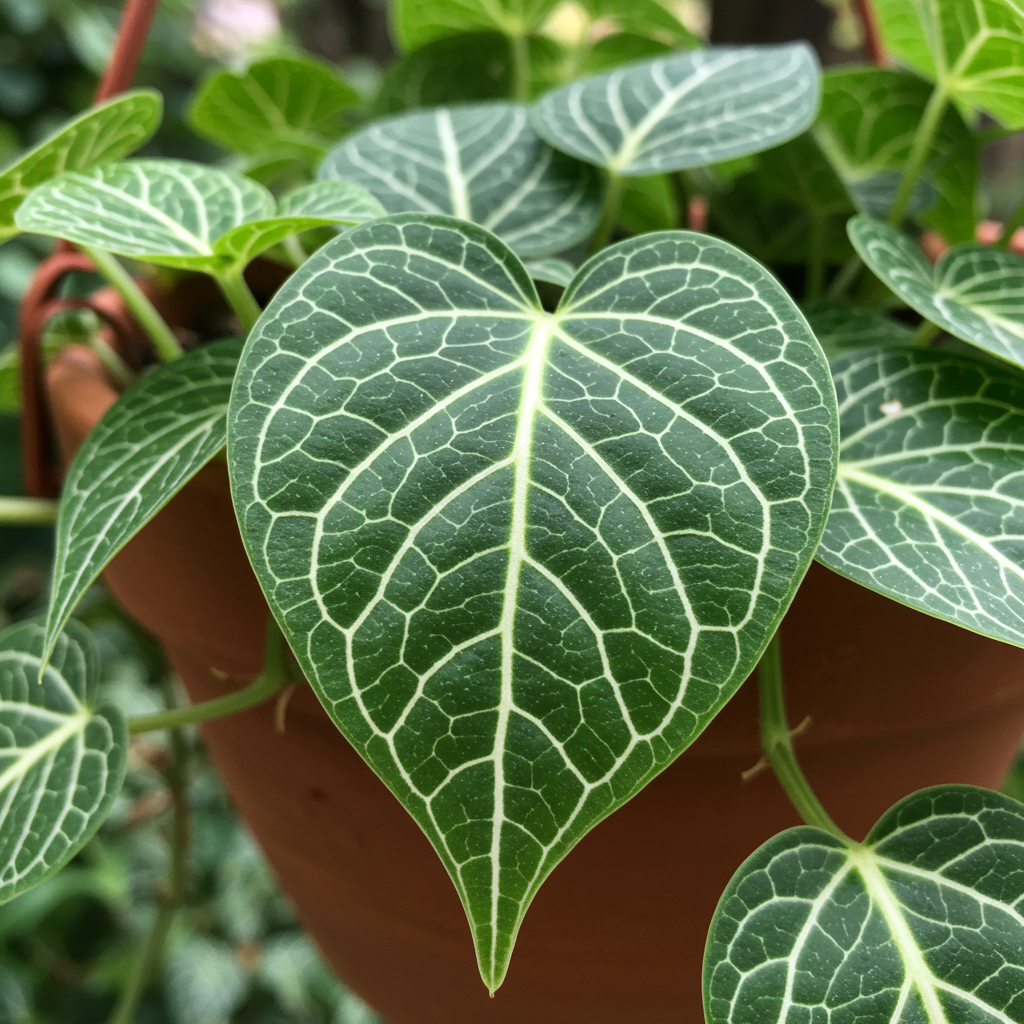
If you’re looking for something with intricate detail, the White Anne Nerve Plant is a fantastic choice. This plant is known for its deep green leaves that are crisscrossed with a fine, electric-white network of veins. The contrast is so sharp it almost looks like a circuit board or a lightning strike.
Fittonia is a low-growing creeper, which makes it perfect for a wide, shallow hanging bowl where it can spread out and create a lush carpet of patterned foliage. It’s a plant that demands attention up close.
Now, for the reality check: Fittonia is a drama queen. It is famous for fainting theatrically when it gets even a little bit thirsty. The entire plant will collapse as if it’s dead. But don’t worry! A thorough watering will have it perked back up and looking perfect within an hour or two. It thrives on high humidity and consistently moist soil, making it an excellent choice for a terrarium.
12. Hedera Helix ‘Glacier’ (Glacier Ivy)
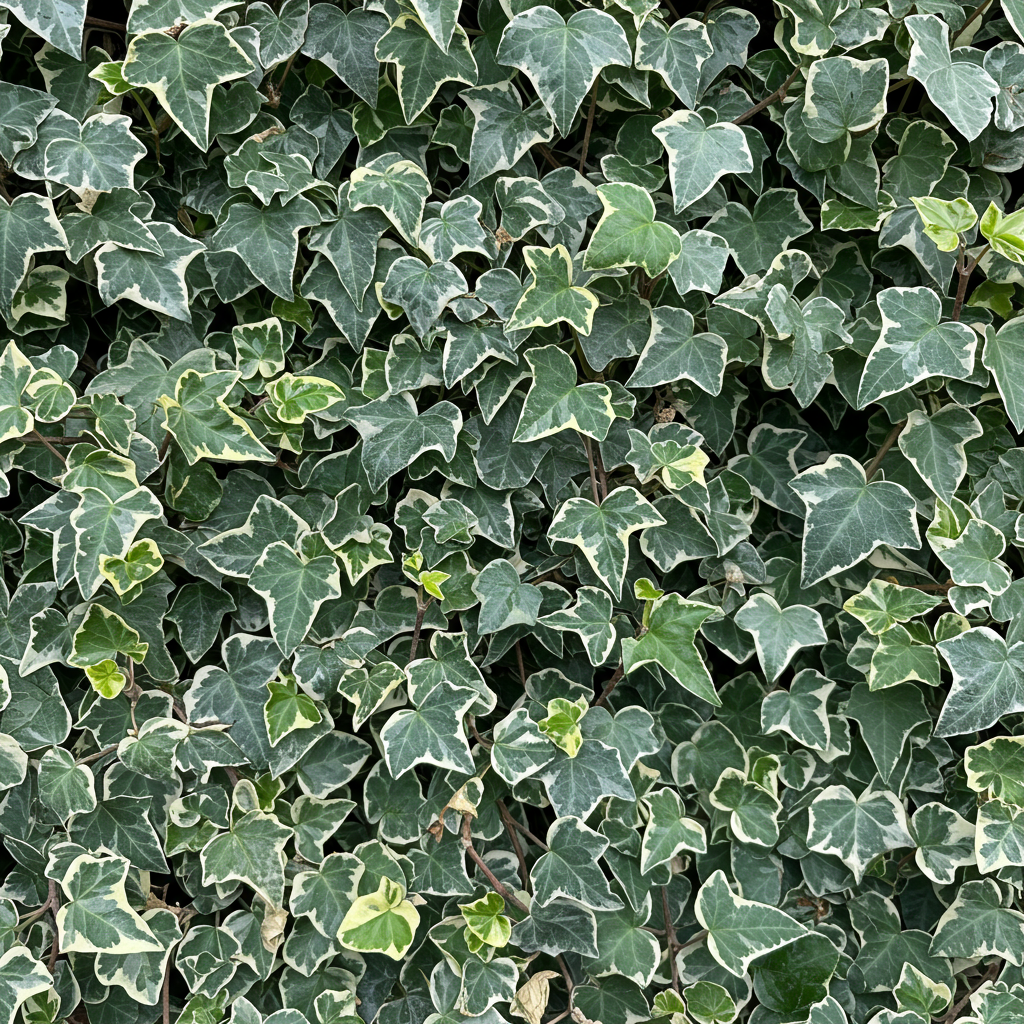
English Ivy often gets a bad rap, but varieties like ‘Glacier’ are here to change your mind. This is a wonderfully elegant and hardy plant with classic, lobed ivy leaves. The foliage is a beautiful mosaic of gray-green, silvery-green, and a crisp, creamy-white border.
Glacier Ivy is a vigorous grower and will quickly create a dense, trailing curtain of foliage. It’s a classic, traditional look that works well in almost any decor style. It’s also an excellent air purifier, known for filtering common household toxins from the air.
This plant is tough and adaptable, tolerating a wide range of conditions from low light to bright, indirect light. However, its variegation will be most pronounced in a brighter spot. It prefers to be kept on the cooler side and enjoys having its leaves misted occasionally.
13. Philodendron ‘White Princess’
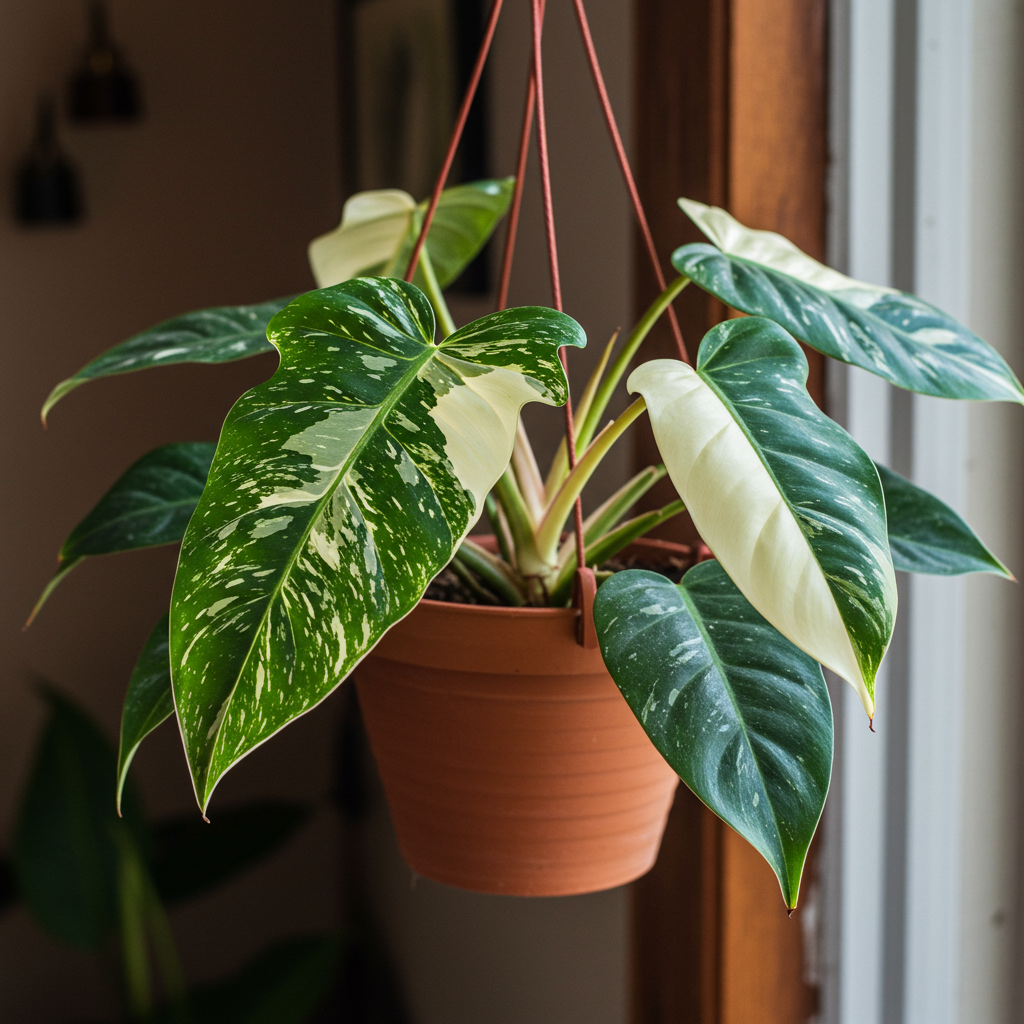
The White Princess is a self-heading philodendron, but much like the Birkin, it can be encouraged to trail and looks fabulous in a hanging pot. This plant is a true jewel, boasting dark green leaves with random splashes of pure white and sometimes even a touch of pink! It’s the trifecta of variegation.
What sets the White Princess apart from its cousin, the White Knight, are its green stems with pink or red edges. It’s a slightly more compact grower, but what it lacks in size it makes up for in sheer beauty. Each new leaf is a surprise.
This plant needs bright, indirect light to show off its colors. It enjoys a humid environment and likes its soil to be kept lightly moist. As with other highly variegated plants, be prepared for the all-white leaves to have a shorter lifespan. It’s all part of the charm of these living masterpieces.
14. Scindapsus Treubii ‘Moonlight’
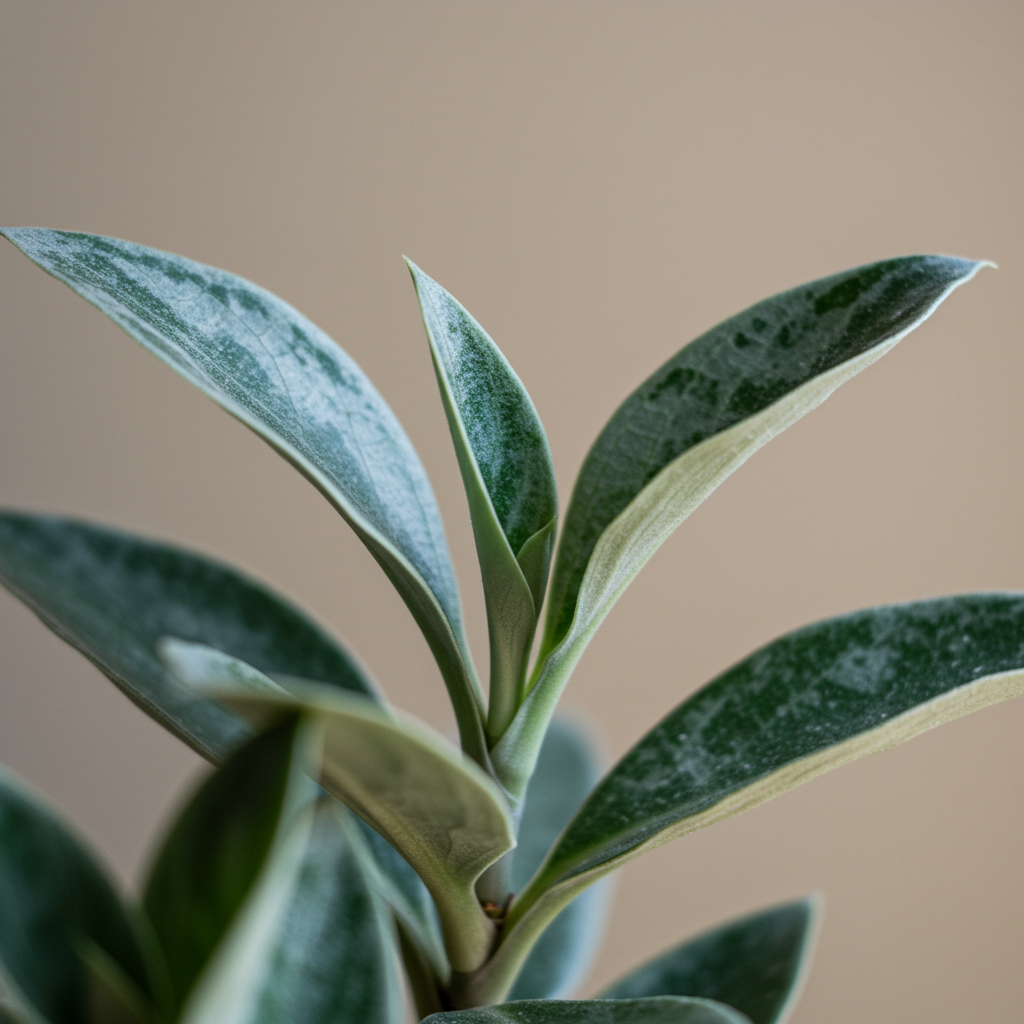
If you’re looking for a more subtle and sophisticated take on the white hanging plant trend, the Scindapsus Treubii ‘Moonlight’ is your answer. This rare gem has thick, lance-shaped leaves with a stunning silvery-white sheen that covers almost the entire surface. The color is ethereal, like a leaf washed in moonlight.
It’s a slow-growing vine, which makes it a very low-maintenance companion. It will climb if given a pole, but it’s equally beautiful when left to trail from a hanging basket. Its minimalist beauty makes it a perfect fit for modern, Scandinavian, or zen-inspired decor.
Care for the ‘Moonlight’ is simple. It thrives in medium to bright indirect light—direct sun will scorch its delicate leaves. Let the top inch or two of soil dry out before watering thoroughly. It’s a collector’s plant that is surprisingly easy to care for once you find it.
15. Calathea ‘White Fusion’
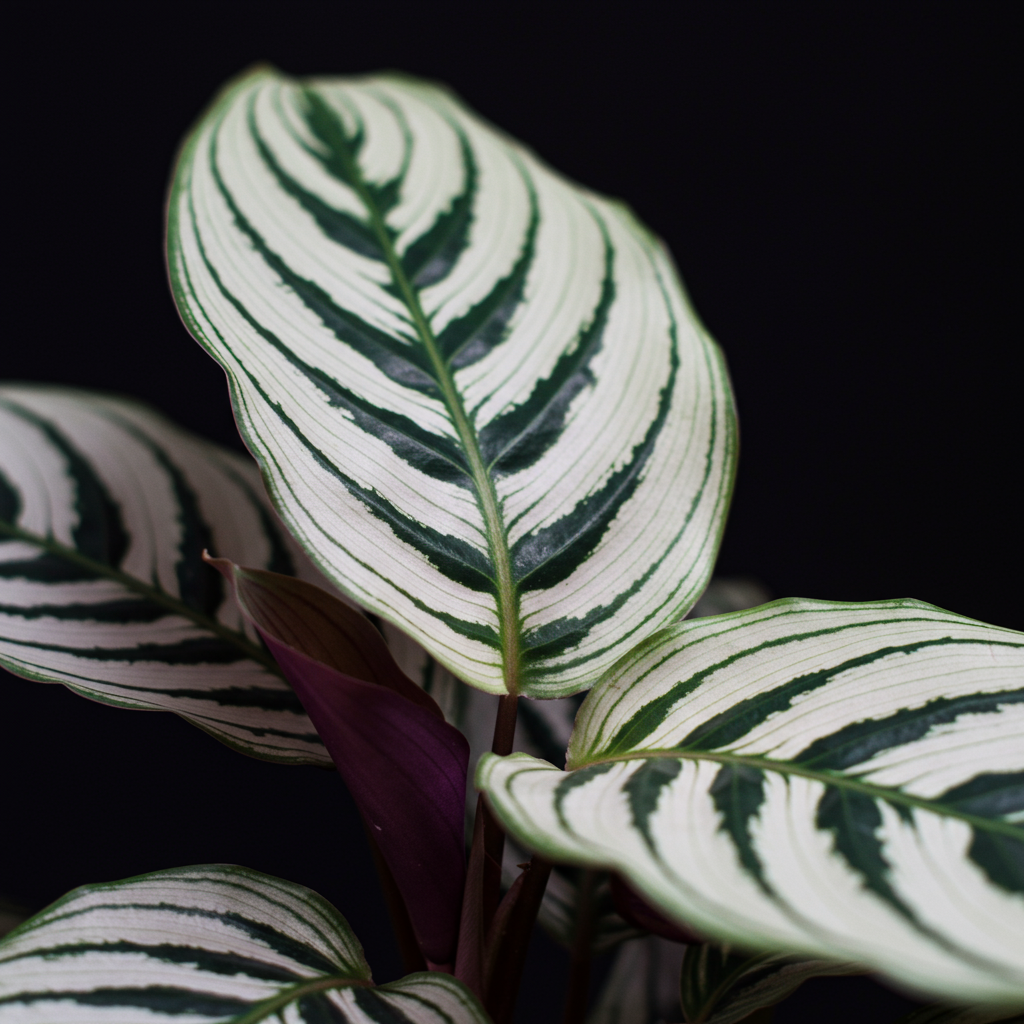
Let’s start with a disclaimer: this plant is not for the faint of heart. The Calathea White Fusion is arguably one of the most stunningly beautiful foliage plants in the world, but it is also one of the most notoriously difficult to keep happy. Its long, lance-shaped leaves look like they were painted by a master artist with brushstrokes of white, lilac, and pale green.
The underside of the leaves is a beautiful magenta, adding to its incredible visual appeal. It is a true showpiece that will stop guests in their tracks. But its beauty comes at a price.
The White Fusion demands high humidity—think 60% or more. It must be watered with distilled, filtered, or rainwater, as it is highly sensitive to the minerals in tap water. Its soil needs to stay consistently moist but never soggy, and it will get crispy brown edges on its leaves if any of these conditions are not met. If you are up for the challenge, the reward is a plant of unparalleled beauty.
16. Hoya Krohniana ‘Super Eskimo’
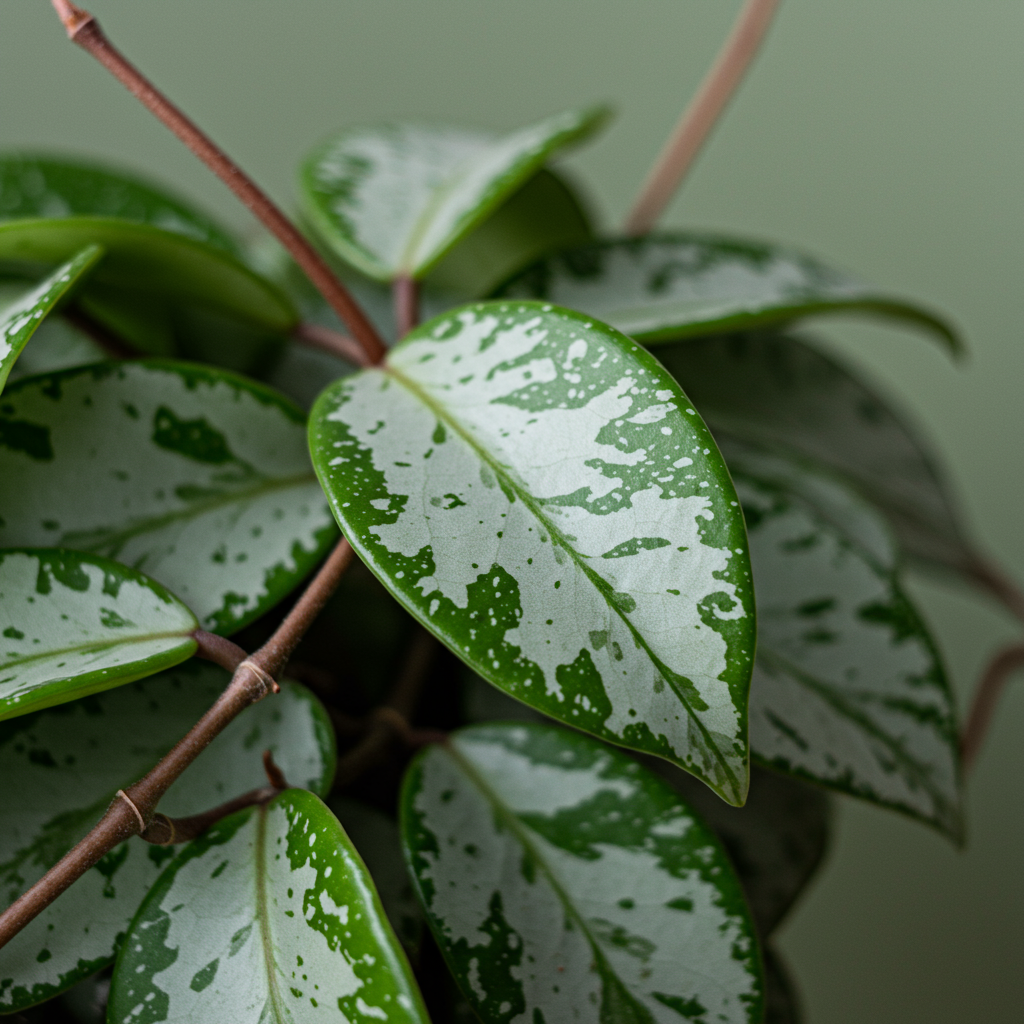
This is a delightful little Hoya that is perfect for small spaces. It features small, heart-shaped leaves that are almost completely covered in silvery-white speckles, often called “splash.” A highly variegated specimen will look almost entirely white.
Like other Hoyas, it’s a slow grower but is incredibly rewarding when it blooms. It produces fuzzy, white, star-shaped flowers that have a sweet, spicy fragrance. It’s a charming and unique plant that is sure to capture your heart.
Care is typical for a Hoya: bright, indirect light and a very light hand with the watering can. It prefers to be pot-bound and likes a chunky, airy soil mix. This is a great choice for a sunny kitchen or bathroom window where its sweet scent can be appreciated.
17. Epipremnum Pinnatum ‘Albo-Variegata’
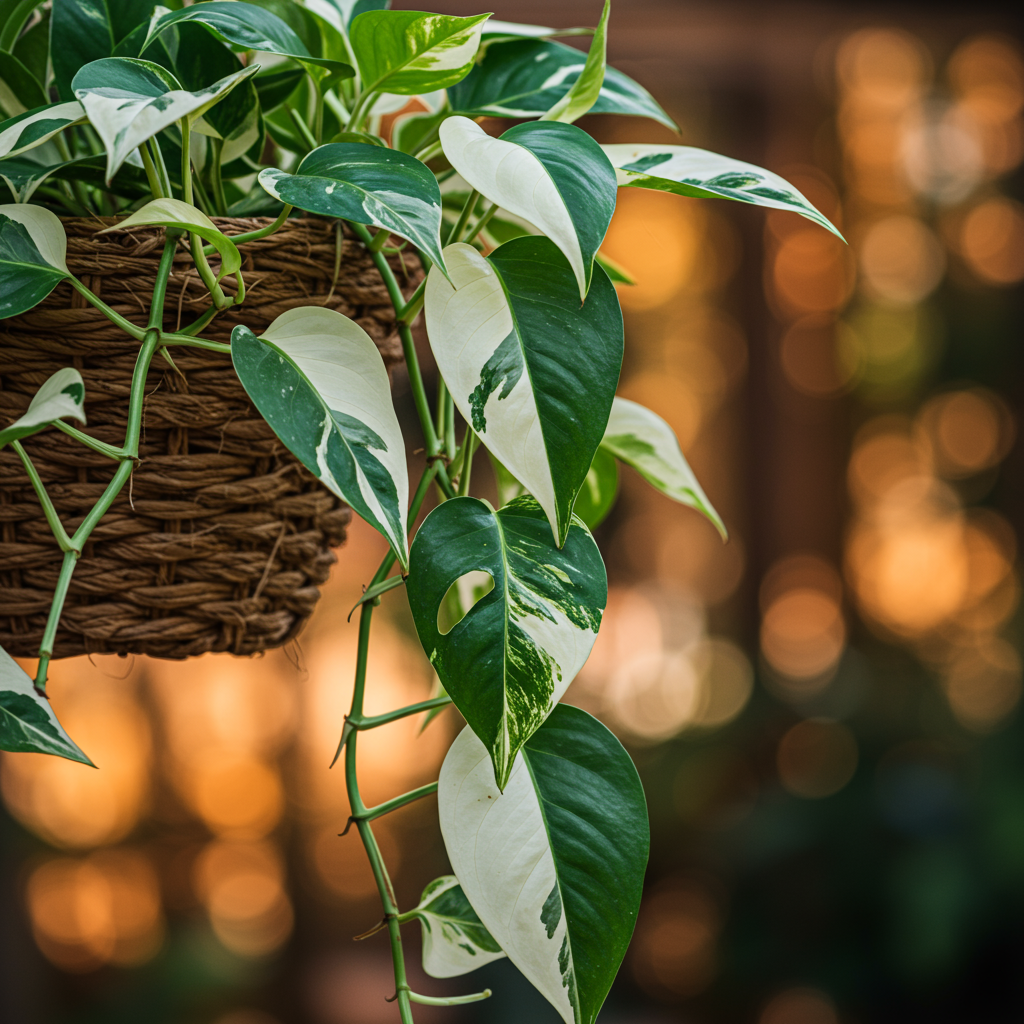
This is the rarer, more exotic cousin of the common pothos. The Epipremnum Pinnatum has leaves that are naturally split or “pinnated,” giving it a look similar to a Monstera, especially as it matures. The ‘Albo-Variegata’ version features dramatic sections of stark white against the deep green.
This is a vining plant that loves to climb, but its fenestrated (split) leaves look incredible cascading from a hanging basket. It’s a collector’s item that offers a more tropical and jungle-like vibe than the standard pothos. It’s a fast grower under the right conditions.
Provide it with bright, indirect light and a pole to climb if you want to see those impressive splits develop. It enjoys humidity and likes its soil to stay lightly moist. As a more rare plant, it can be pricier, but its unique foliage is well worth the investment for a dedicated plant lover.
18. Peperomia ‘Ginny’ (Tricolor Peperomia)
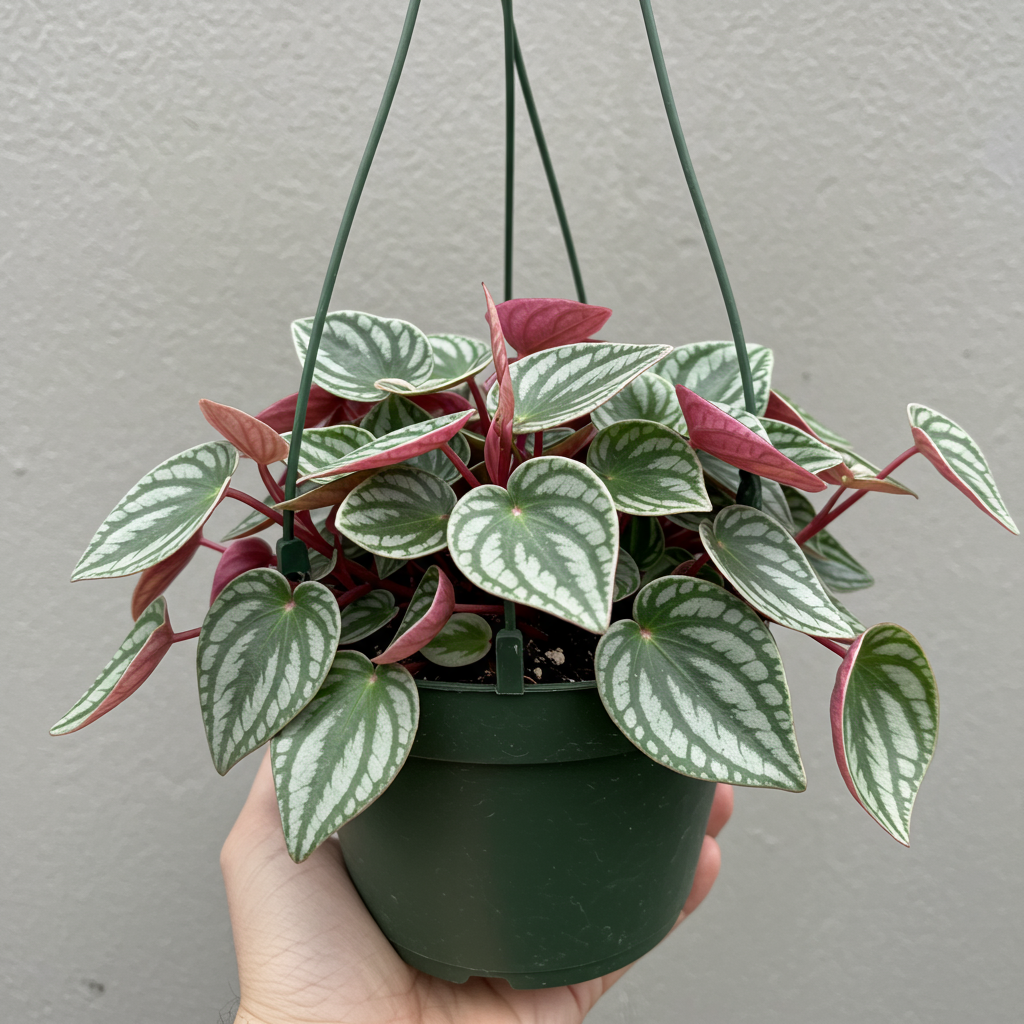
While often grown as a desktop plant, the Ginny Peperomia’s branching stems can spill beautifully over the sides of a hanging pot. This vibrant plant features spoon-shaped, grayish-green leaves with a wide, creamy-white border and a delightful blush of pink on the edges. The stems are a striking shade of red.
It’s a compact plant that packs a huge visual punch. The combination of green, white, and pink makes it a cheerful addition to any room. It’s a semi-succulent, storing water in its fleshy leaves and stems.
Care is easy! It needs bright, indirect light to keep its colors vibrant and should be watered only when the top half of the soil is completely dry. It’s a great “starter” plant for someone who wants color and variegation without a lot of fuss.
19. Dischidia ‘White Diamond’
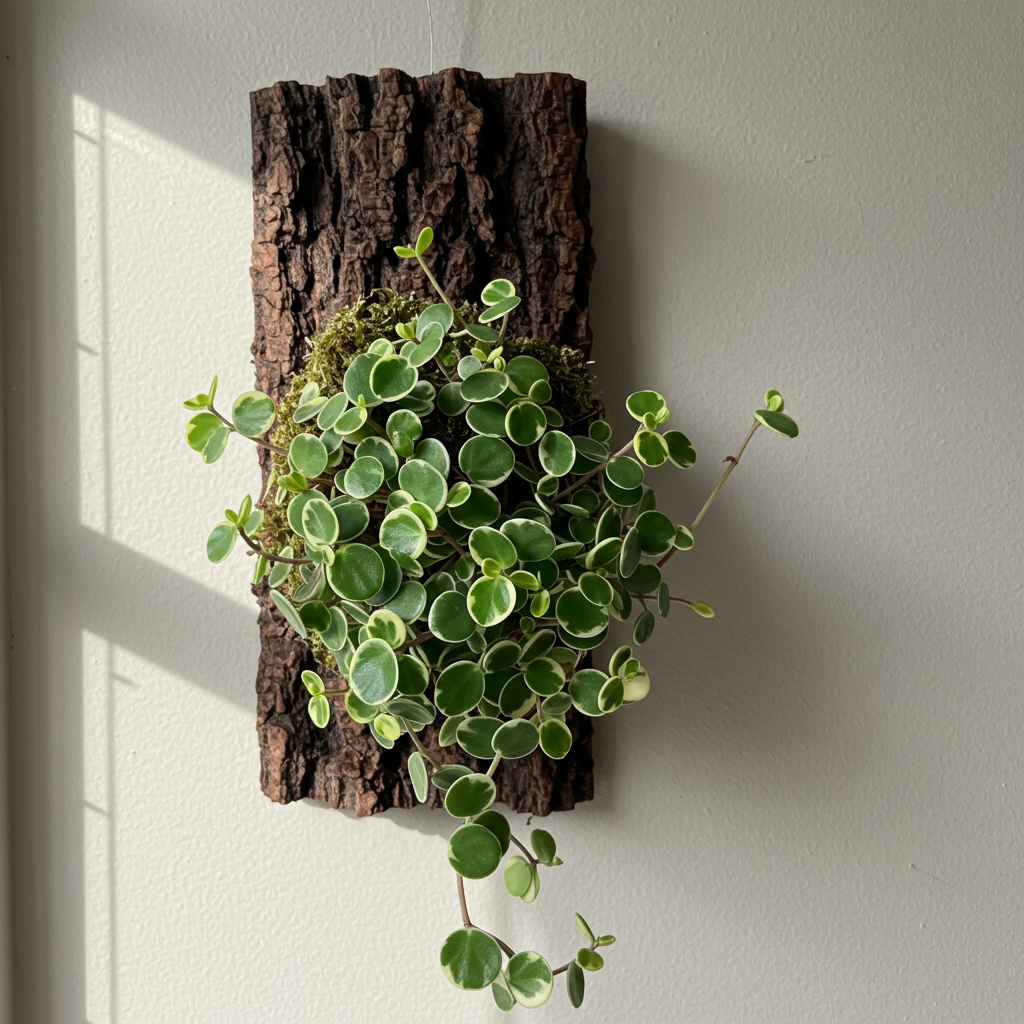
Here’s a more unusual and fascinating choice. Dischidia are relatives of Hoyas and are epiphytes, meaning they grow on other trees in their natural habitat. The ‘White Diamond’ variety has small, round, fleshy leaves with a lovely white variegated edge.
What makes Dischidia really cool is that it’s often sold mounted on a piece of bark or in a small basket with very little soil, mimicking its natural growing conditions. It’s a very modern and minimalist look. It can also be grown in a standard hanging pot with a very airy, orchid-like mix.
This plant needs bright, filtered light and should be watered sparingly. Misting it frequently is often a better approach than drenching the soil. It’s a quirky and low-maintenance plant for the enthusiast looking for something a little different.
20. Hoya Retusa
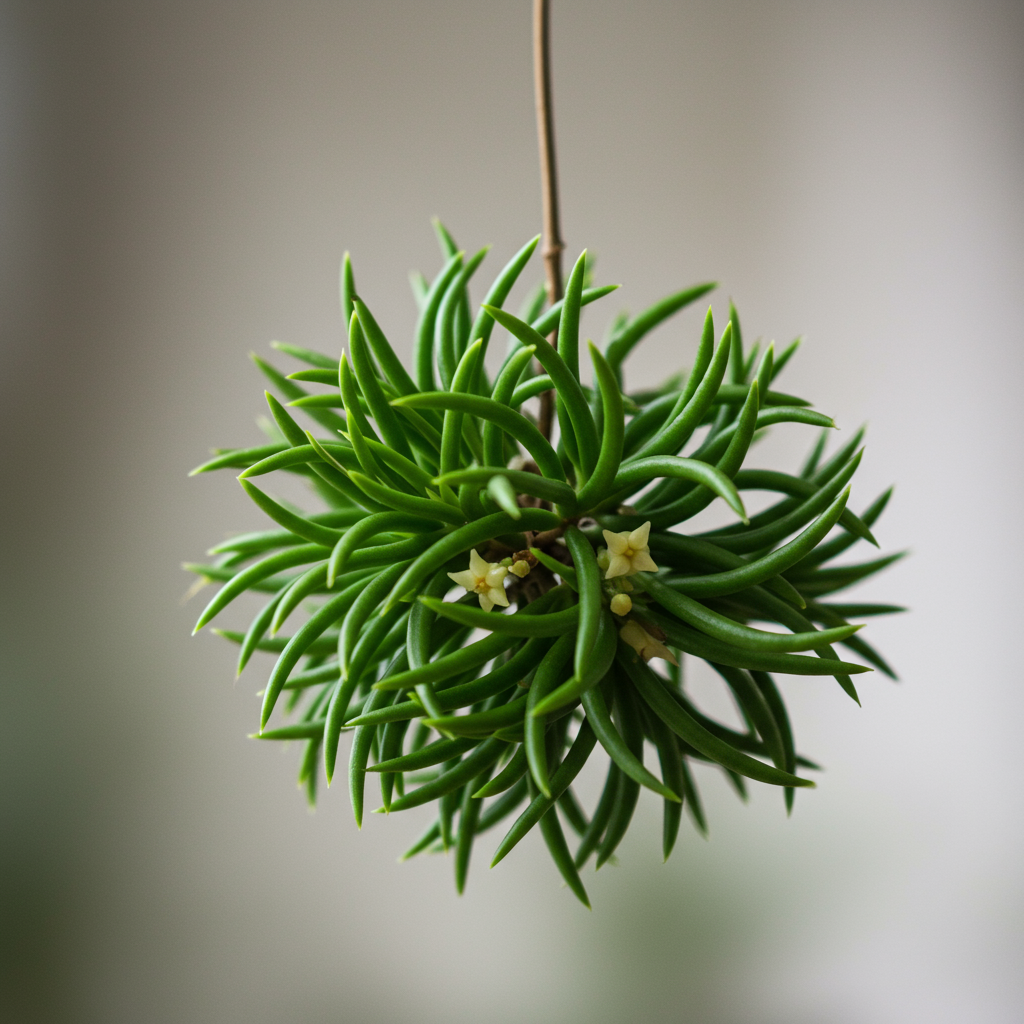
The Hoya Retusa is one of the most peculiar and wonderful plants you’ll ever see. It doesn’t have traditional leaves. Instead, it has long, thin, stick-like foliage that grows in clusters, giving it the appearance of a floating green firework or a cascade of green beans.
The “white” aspect comes from its flowers. It produces tiny, star-shaped, creamy-white flowers with a pink or purple center. They pop up individually along the stems and have a light, lemony scent.
This is an incredibly easy plant to care for. It tolerates lower light than most Hoyas (though it will flower best in brighter light) and only needs water when its leaves start to look a little shriveled. It’s a perfect plant for someone who wants a unique texture and a touch of the weird and wonderful.
21. Manjula Pothos (Epipremnum ‘Manjula’)
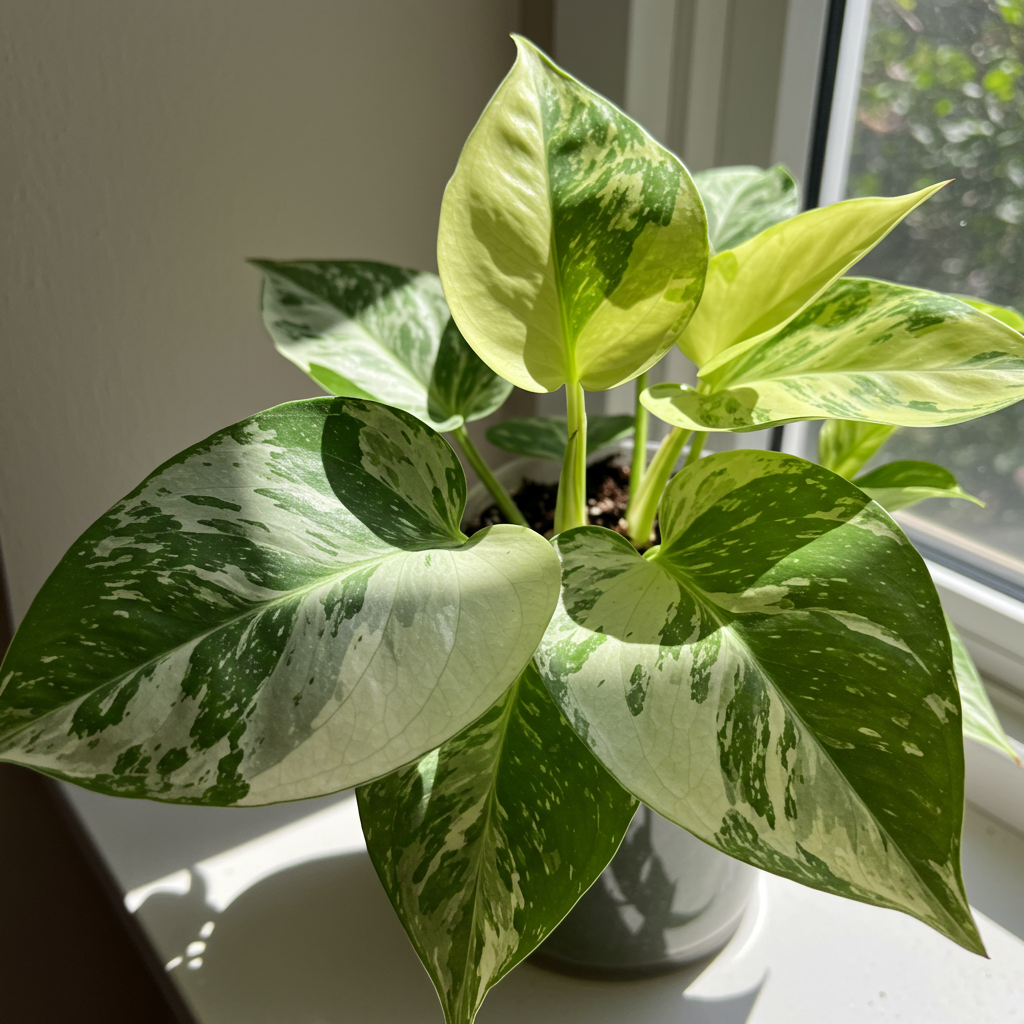
Last but certainly not least is the stunning Manjula Pothos. This variety is a true showpiece with large, heart-shaped, wavy leaves that refuse to lie flat. The variegation is a marbled mix of cream, silver, white, and green, with no two leaves looking alike.
The Manjula combines the large leaf size of a Golden Pothos with the complex coloring of a Pearls and Jade, but with its own unique, wavy flair. It’s a patented variety known for its full, lush growth habit. It’s a bit of a slower grower, but its beauty is more than worth the wait.
Care is standard pothos fare, but with a catch. Due to the high amount of variegation, it needs consistent bright, indirect light to thrive and prevent the white parts from browning. Let the soil dry out between waterings and enjoy the stunning, painterly quality of its incredible leaves.
Frequently Asked Questions (FAQ)
1. Why are the white parts of my variegated plant turning brown?
This is the most common issue with white variegated plants! Browning on the white sections is almost always related to water. It can be caused by inconsistent watering (letting it get too dry then too wet), low humidity, or using tap water that’s high in minerals like chlorine and fluoride. Try to water more consistently, increase humidity with a humidifier or pebble tray, and switch to filtered or distilled water.
2. How do I get more white variegation on my plant?
Variegation is directly linked to light. The white parts of a leaf have no chlorophyll, so they can’t photosynthesize. The plant needs more energy from light to support these non-productive sections. To encourage more white, give your plant more bright, indirect sunlight. A plant in a dim corner will often revert to green to maximize its food-making ability.
3. Are white hanging plants rare or expensive?
It varies greatly! Common varieties like the Marble Queen Pothos are widely available and very affordable. However, collector’s items like a Scindapsus Treubii ‘Moonlight’ or a highly variegated Monstera Adansonii Albo can be much rarer and carry a hefty price tag. As a general rule, the more stable and popular a plant is, the more affordable it will be.
4. Can white hanging plants survive in low light?
While some, like the Glacier Ivy or a greener Marble Queen Pothos, can tolerate lower light, they will not thrive. The beautiful white variegation is the first thing to go in low light as the plant produces more green (chlorophyll) to compensate. For these plants to look their best, bright, indirect light is always the way to go.
5. What is the easiest white hanging plant for a total beginner?
Hands down, the Marble Queen Pothos or the Manjula Pothos. They are incredibly forgiving, resilient, and beautiful. They communicate their needs clearly (droopy leaves mean they’re thirsty) and can bounce back from a surprising amount of neglect, making them the perfect confidence-booster for new plant parents.
Conclusion: Beyond the Beauty
Choosing a white hanging plant is about more than just finding a pretty accessory for your home. It’s about embracing a piece of living, breathing art that grows and changes with you. We’ve explored plants that are bold and dramatic, and others that are delicate and whimsical, but they all share that stunning white variegation that brings a sense of calm, clean, and modern sophistication to a space.
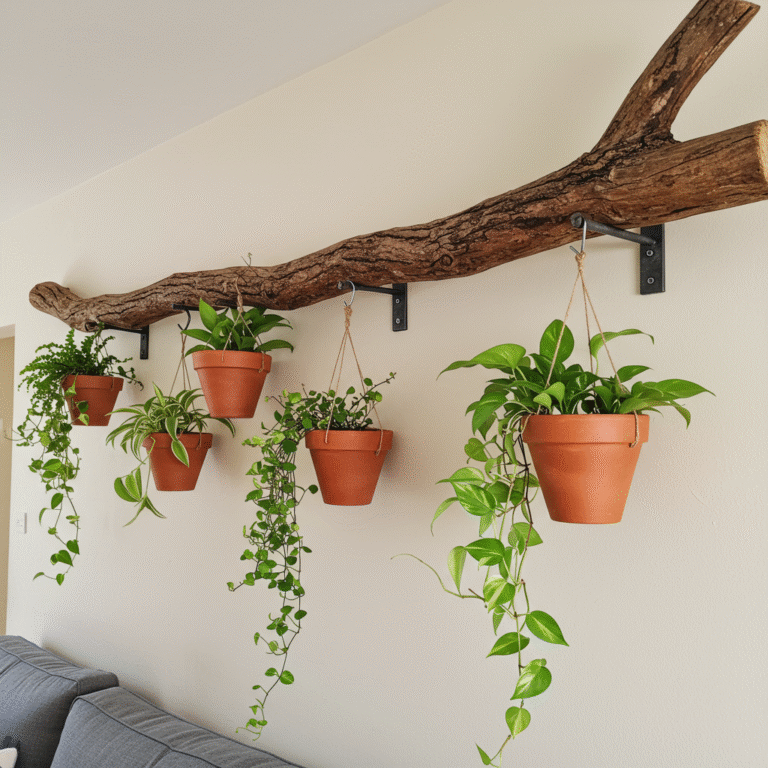
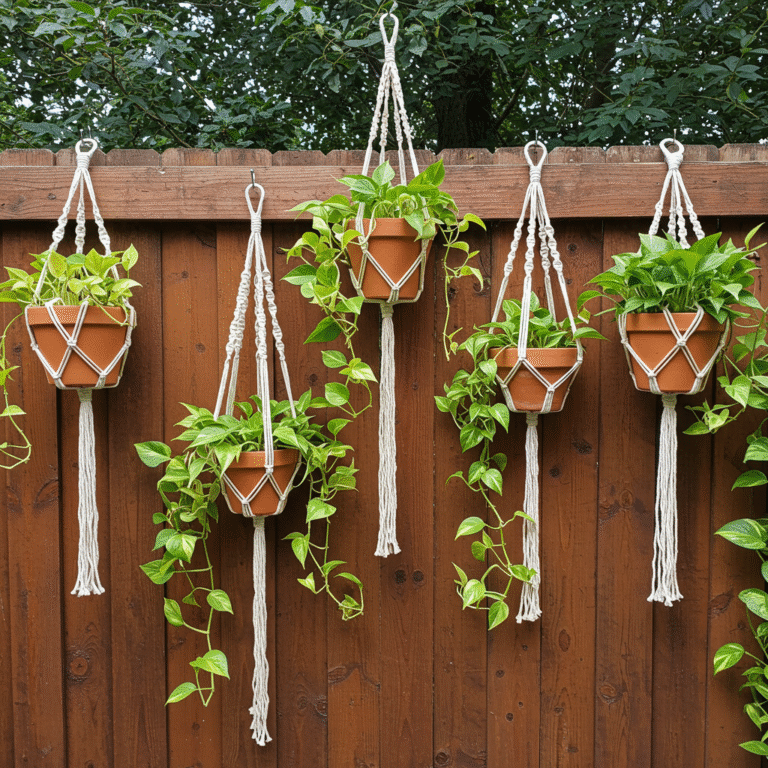
But here’s a final thought to leave you with: consider the hanger as much as the plant. The secret to a truly jaw-dropping display is the pairing. A rustic, macrame hanger can give a bohemian feel to a Tradescantia Nanouk. A sleek, black metal hanger can create a stark, modern contrast with a Scindapsus Moonlight. And a simple, invisible wire hanger can make a String of Pearls look like it’s magically floating in mid-air.
Don’t be afraid to mix and match not just your plants, but your hangers too. Play with different heights, textures, and materials to create a dynamic, multi-layered indoor jungle. By thinking of the plant and its pot as a single design element, you transform a simple houseplant into a statement piece that truly reflects your personal style. Happy planting!